
Sony Patents a System That Applies Your Hearing Aid Profile to Any Audio Device
Hearing aids are calibrated precisely for each person's hearing loss, but that personalization disappears the moment you pick up a pair of headphones or turn on a TV speaker. Sony's new patent wants to fix that.
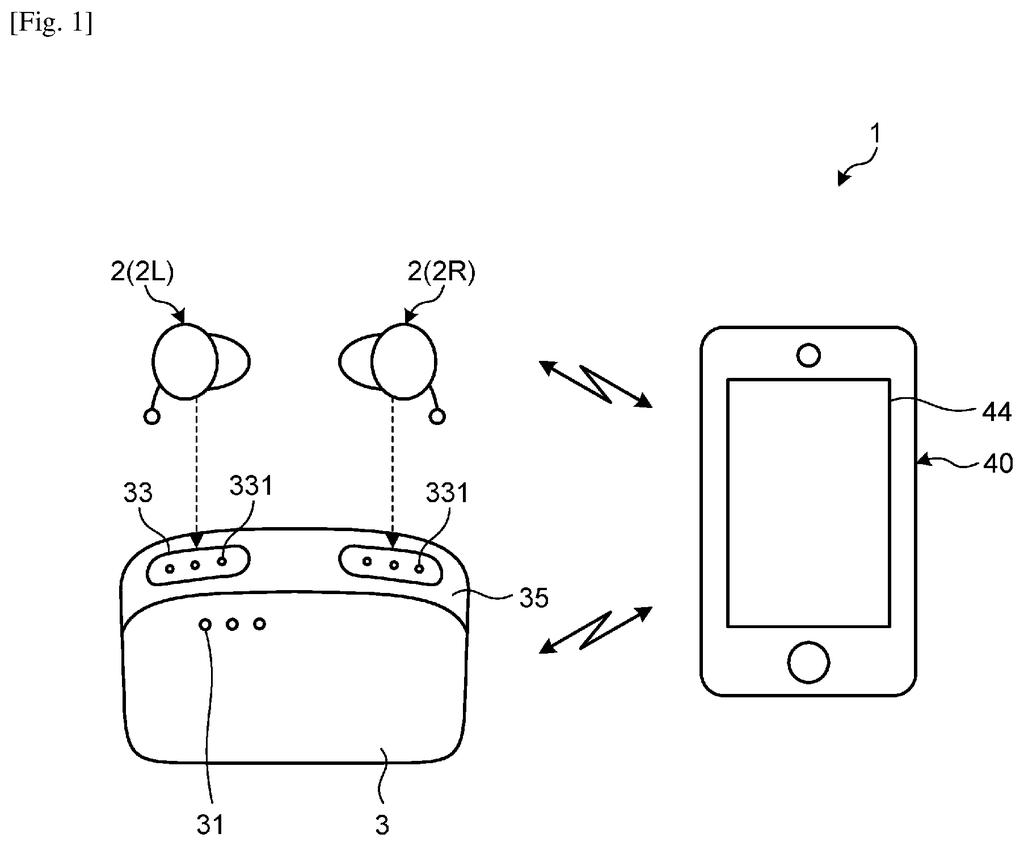
How Sony wants to carry your hearing aid settings everywhere
Imagine you wear hearing aids that have been tuned by an audiologist specifically for your ears. Every frequency, every boost, every correction is dialed in just for you. But the moment you sit down to watch TV or plug in headphones, all of that personalization is gone.
Sony's patent describes a system that takes the calibration data from your hearing aids and uses it to automatically adjust how any audio device plays sound for you. It reads your hearing aid's profile, looks at the specs of whatever speaker or headphone you're using, and then generates a custom audio setting that fits both your hearing profile and that specific device.
The result is that your personal hearing adjustments would follow you from device to device, so a Sony speaker, TV, or headphone could theoretically sound as tailored to your ears as your hearing aids do.
How the system maps hearing aid fitting data to a new device
The system has three core steps. First, it reads fitting data from a hearing aid. Fitting data is the audiologist-defined profile that describes exactly how a person's hearing differs from the norm, which frequencies they struggle with, and how much amplification or correction they need.
Second, it reads device information from the target audio output device, whether that's a pair of headphones, a soundbar, or a speaker. This lets the system understand the physical and technical characteristics of that device, such as its frequency response curve (how it naturally emphasizes or de-emphasizes different sounds).
Third, the system combines those two data sets to generate audio processing parameters: essentially a custom EQ or filter profile tuned to compensate for both the user's hearing profile and the device's own quirks. Those parameters are then sent to the output device so it plays audio adjusted specifically for that listener.
- Reads personal hearing aid calibration data
- Reads specs of the target playback device
- Generates a combined correction profile
- Delivers that profile to the device for playback
What this means for hearing aid users and Sony's audio lineup
For the roughly 430 million people worldwide with hearing loss, the gap between a well-fitted hearing aid and a generic consumer audio device is genuinely frustrating. A Sony TV or headphone that could automatically adapt to your hearing profile would be a meaningful quality-of-life improvement, not just a feature footnote.
For Sony specifically, this fits neatly into a strategy that already includes the WF-1000XM series earbuds and Sony's existing hearing aid product line. A system that bridges clinical hearing data and consumer electronics could become a selling point across Sony's entire audio portfolio, especially as more countries push for hearing accessibility in consumer devices.
This is a genuinely practical idea, and Sony is well-positioned to execute it given that the company makes both hearing aids and consumer audio hardware. The patent is relatively narrow in scope, but the use case is clear and the population of people who would benefit is large. Worth watching to see if this shows up in a firmware update or a new product pairing feature.
There are more where this came from
We read every patent application Big Tech publishes and send you the ones worth knowing. Plain English, free, every week.
The drawings
28 drawing sheets from US 2026/0222750 A1 · click any drawing to enlarge


Want this weekly breakdown for a company we don't cover? Patentlyze Pro →