
Apple Patents Screen Buttons That Bend Light Like Real Glass
Apple is patenting a system that makes on-screen panels and buttons look like they are physically bending the content behind them, including casting accurate shadows, and updating that illusion in real time whenever the background changes.
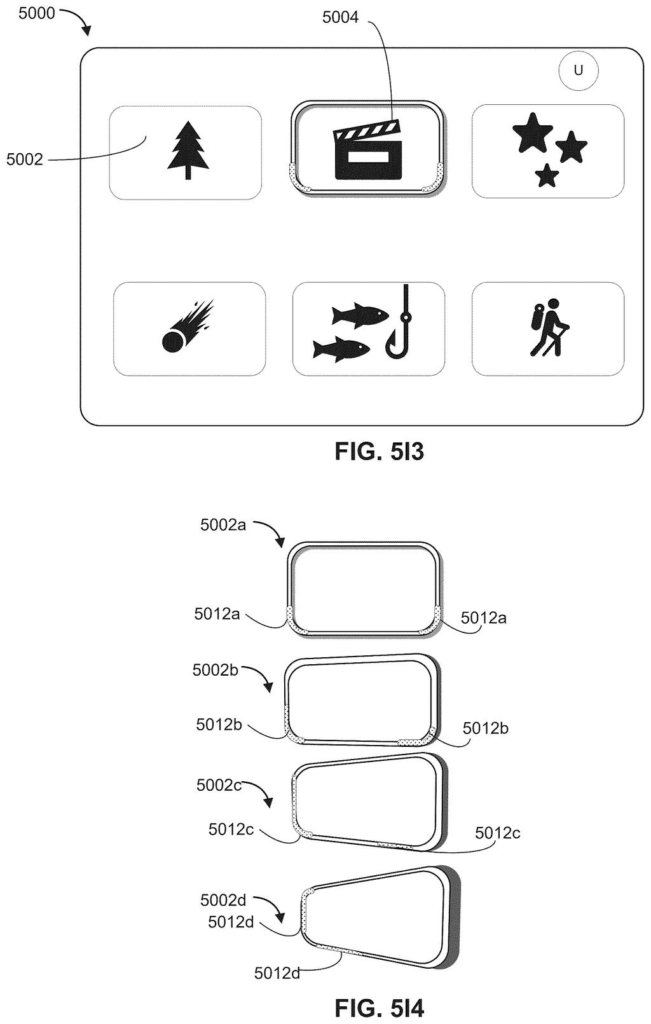
What Apple's glass-refraction UI effect actually does
Imagine a frosted glass panel sitting on top of a photograph. When light passes through real glass, it bends, so the image underneath looks slightly distorted or shifted. Apple wants its software to recreate that effect on screen, making floating menus, cards, or overlays look like they are genuinely refracting the content beneath them.
The clever part is how shadows are handled. If a shadow falls on the background behind the glass panel, the panel does not pretend to refract that shadow. It only refracts the actual content underneath. That matches how real glass behaves and keeps the effect looking physically believable rather than glitchy.
Whenever the background changes, say a video plays, a wallpaper shifts, or dark mode kicks in, the refraction and shadow effects update automatically to match. The goal is UI elements that feel like objects with physical properties, not flat rectangles painted on a screen.
How Apple separates shadows from the refraction calculation
The patent describes a rendering system for user interface objects, things like floating panels, modal dialogs, or control surfaces, that need to look as though they are made of a transparent refractive material (think glass or crystal).
The system tracks two things at once for any given UI object:
- Refraction layer: the area of background content that sits directly behind the object is rendered with a simulated light-bending distortion, as if the object's material were redirecting rays passing through it.
- Shadow layer: a separate simulated shadow is projected onto the background based on the object's position relative to it, modeling where a physical light source would cast a shadow.
The key technical decision is that the refraction calculation ignores the shadow. When the shadow overlaps the background, the object refracts the underlying background content in that region, not the shadow on top of it. In real optics, a glass object bends the light from the scene behind it, not the shadow it casts, so this keeps the simulation consistent.
When the system detects a background appearance change (a color shift, a video frame advancing, a theme toggle), it recomputes both the refraction and the shadow to match the new background state, keeping the illusion coherent over time.
What this means for the look of Apple's next interfaces
Apple has been pushing a "liquid glass" visual language in recent software previews, and this patent lays out the underlying rules for how that look is meant to behave consistently. If you use an iPhone or Mac, this is the system that would make a notification card or a music player widget appear to have physical depth rather than just being a colored rectangle.
The specific rule about not refracting the shadow is the kind of detail that separates polished from cheap. It is a small distinction that your eye would catch even if your brain could not name it, and patenting it suggests Apple considers this rendering logic a defensible piece of the design system it is building.
This is not a flashy invention, but it is a precise one. Apple is essentially writing the physics rulebook for a new visual style, and the shadow-exclusion detail shows real care about perceptual accuracy. Whether competitors can easily work around this specific claim is a separate question, but as a signal of where Apple's design system is headed, it is worth paying attention to.
There are more where this came from
We read every patent application Big Tech publishes and send you the ones worth knowing. Plain English, free, every week.
The drawings
99 drawing sheets from US 2026/0220842 A1 · click any drawing to enlarge


Want this weekly breakdown for a company we don't cover? Patentlyze Pro →
Be the first to weigh in