
IBM Patents a System That Reads Messy Scanned Tables Like a Human Would
Scanned tables are a nightmare for computers. Merged cells, uneven rows, and odd layouts send most automated readers off the rails. IBM's new patent describes a system that navigates that chaos by finding the one column in a table that holds everything else together.
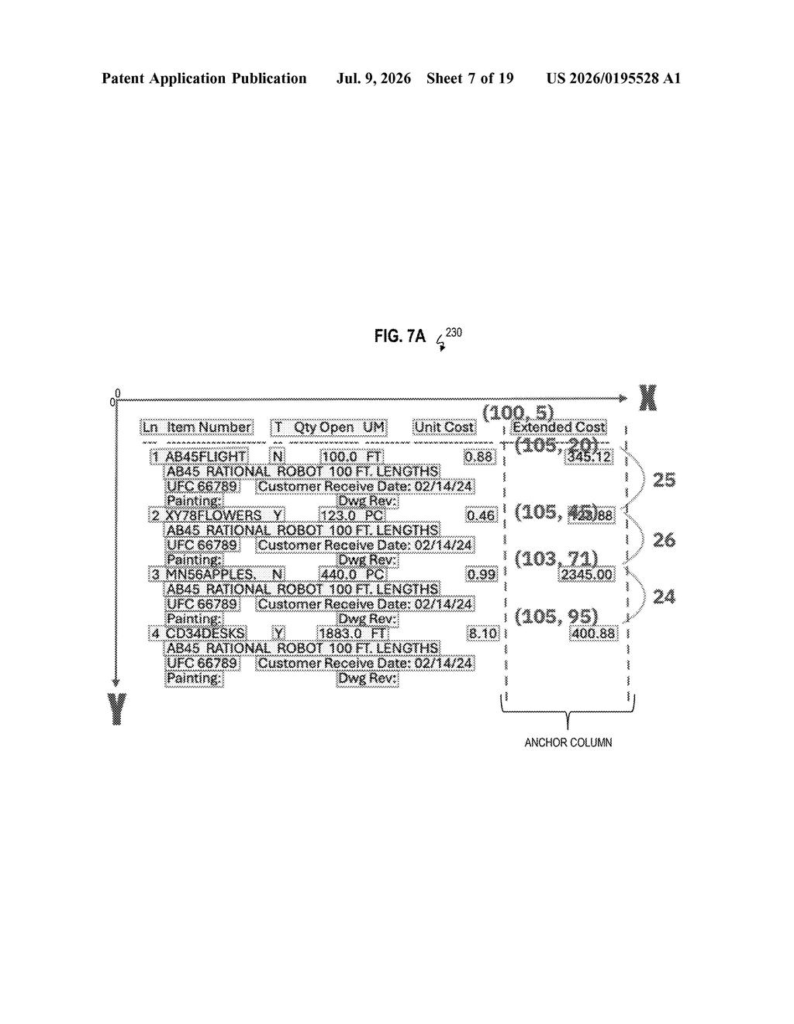
How IBM's table-reading system handles irregular layouts
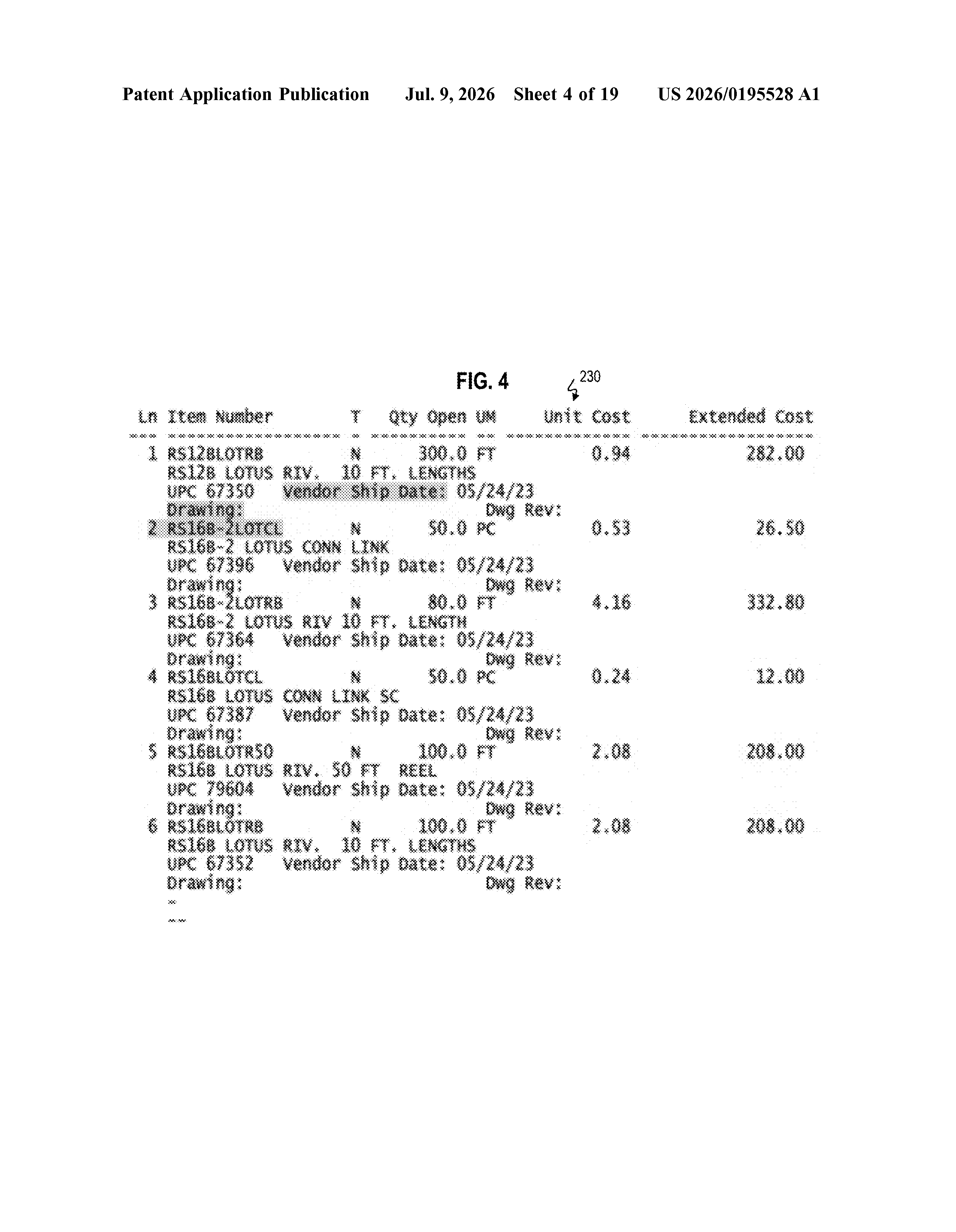
Imagine you scan a printed government form or an old financial report and try to pull the numbers out automatically. If the table is perfectly clean and grid-like, software handles it fine. But real-world tables almost never look like that. They have merged cells, irregular spacing, and rows that don't line up neatly. Most automated tools get it wrong.
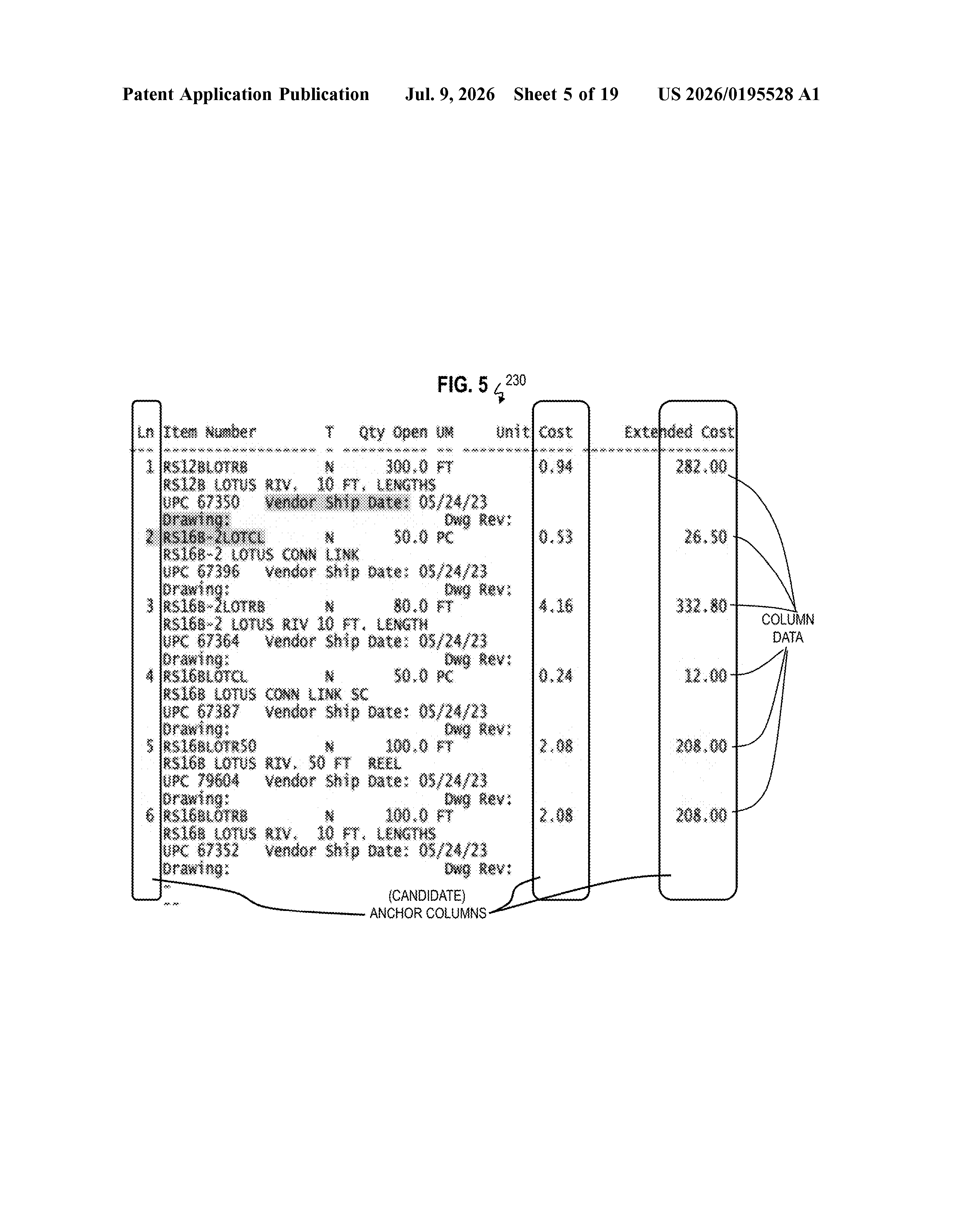
IBM's patent describes a method that looks at a scanned image of a table and picks one column, called an anchor column, that appears the most consistent and well-spaced. The system uses that column as a ruler to figure out where each row actually starts and stops, even when the rest of the table is irregular.
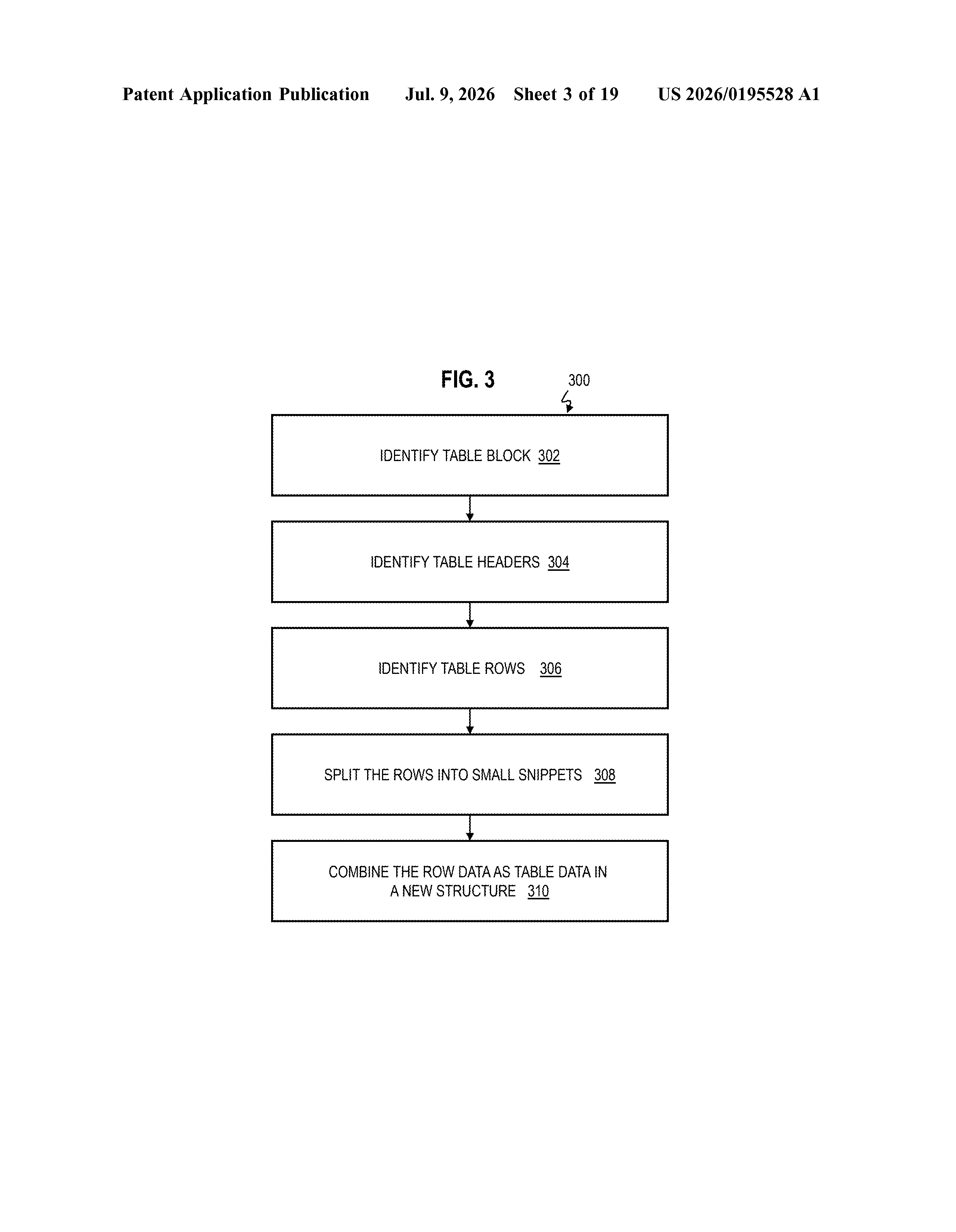
Once it knows the row boundaries, it slices the table into sections, reads the data out of each slice, and assembles everything into a clean, structured format a computer can actually use. The end result is data you can search, sort, or feed into another system, pulled from documents that would have otherwise required someone to type everything in by hand.
How the anchor-column method breaks tables into rows
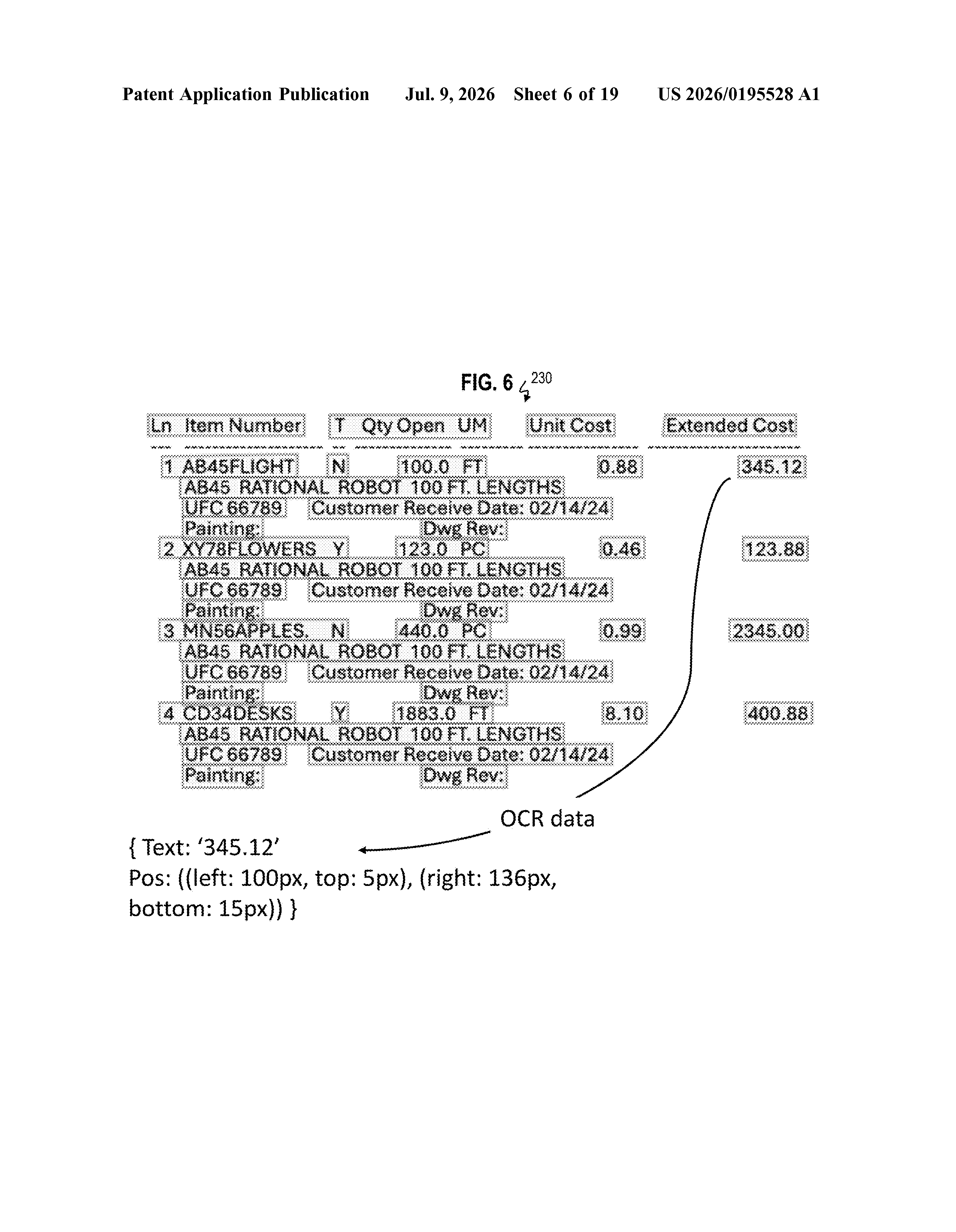
The patent describes a computer-vision pipeline that takes an electronic image of a table (think a scanned PDF or a photograph) and turns it into structured data, even when the table doesn't follow a regular grid.
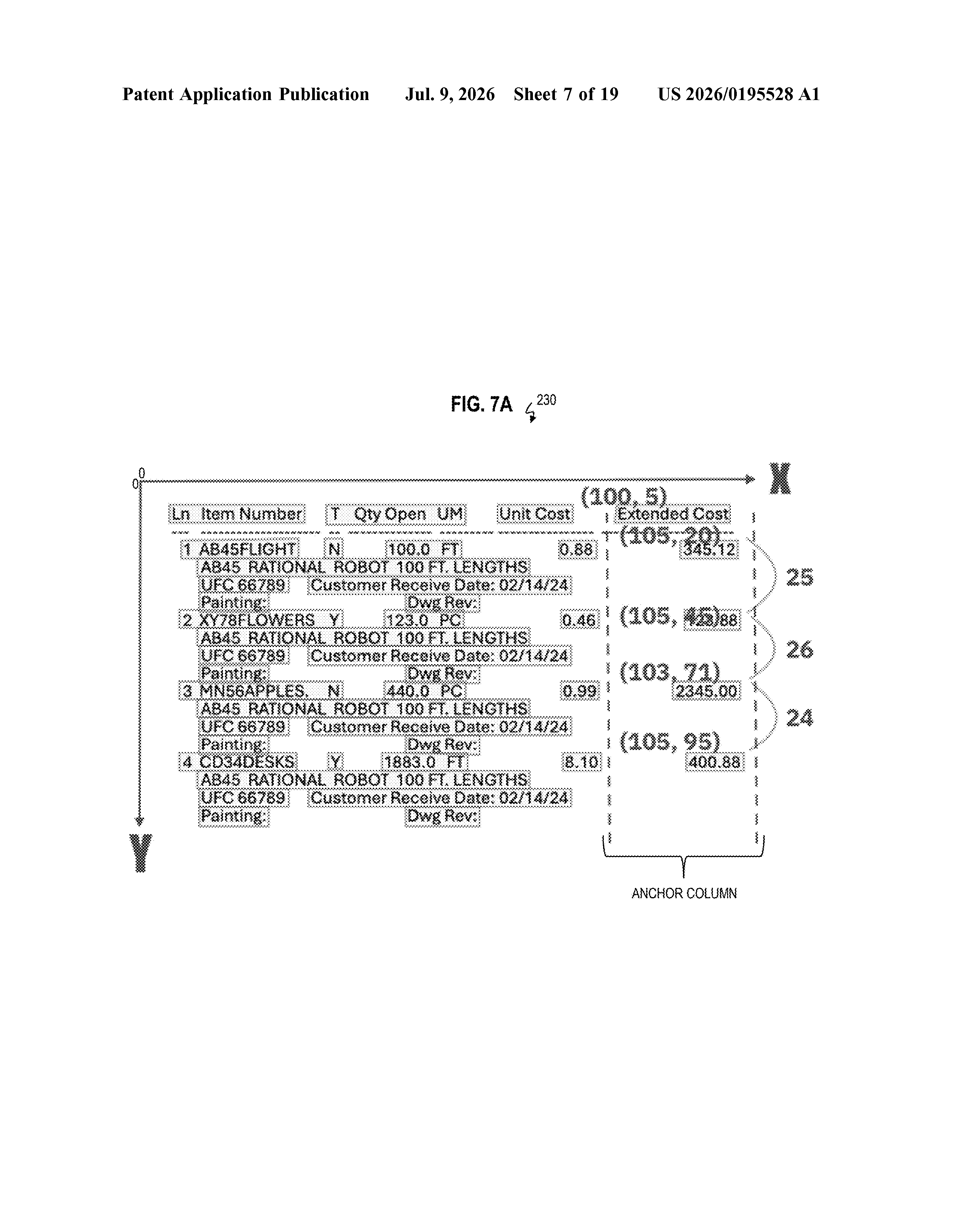
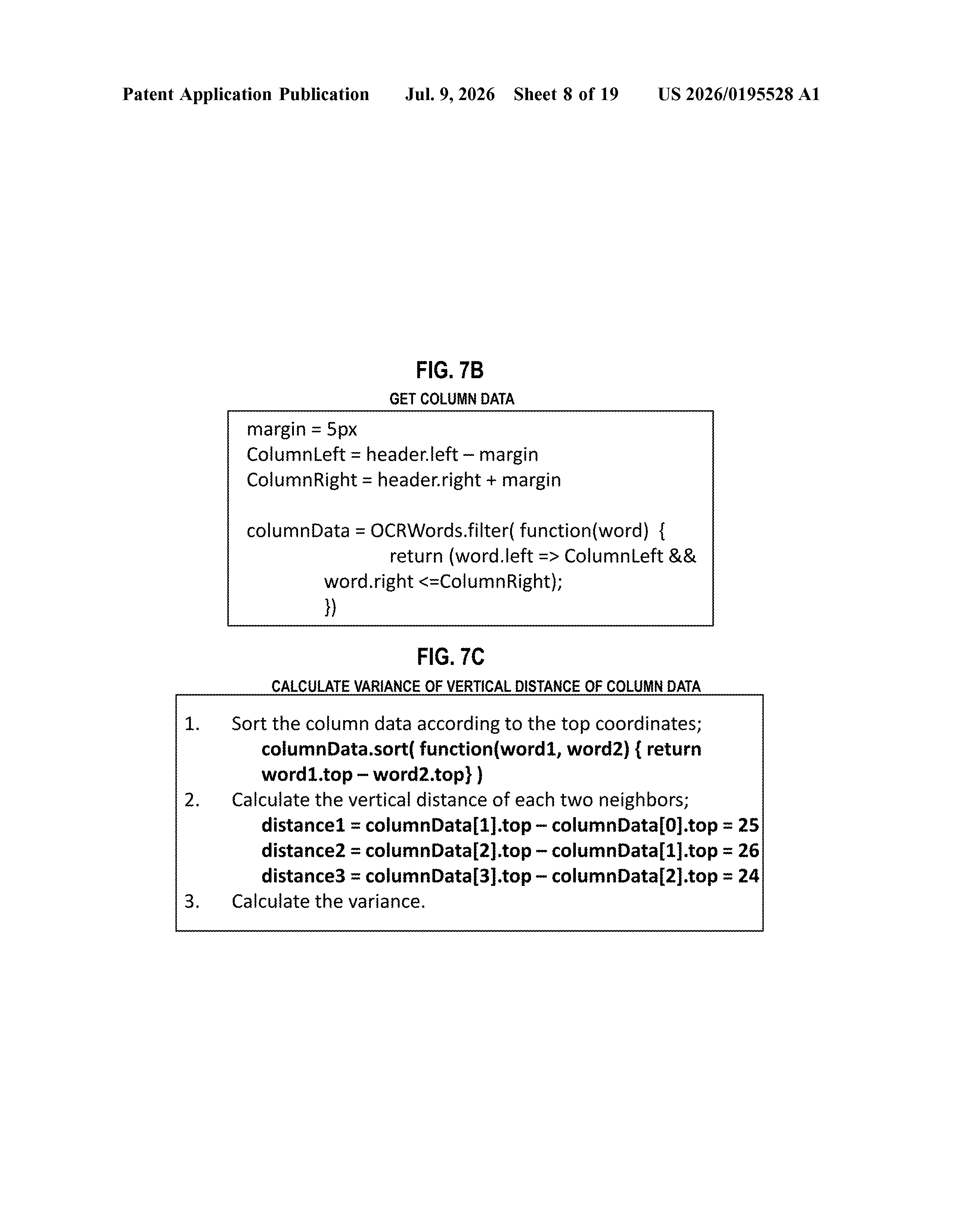
The core trick is anchor column selection. The system analyzes the image, identifies the table headers, and then evaluates each column based on two things: the position coordinates of the cell contents and the vertical spacing between those contents. The column with the most reliable, consistent vertical spacing is chosen as the anchor.
- The anchor column's row positions are used as a reference grid for the whole table.
- The system slices the table image into horizontal snippets, one per row, using those reference positions.
- Row data is extracted from each snippet independently, so irregular content in other columns doesn't corrupt the row-boundary logic.
- All extracted row data is assembled into a new data structure (a database table, spreadsheet, or similar format) that downstream systems can actually read.
The method is designed specifically for irregular tables: ones with merged cells, multiline entries, or non-uniform row heights that defeat simpler rule-based parsing approaches.
What this means for document processing at scale
A huge share of business-critical information still lives in scanned documents: contracts, invoices, regulatory filings, legacy reports. Getting that data into a usable format is expensive and slow when people have to do it manually, and current automated tools often fail on anything more complex than a basic spreadsheet layout. A more reliable method for handling irregular tables could cut the cost and error rate of document processing significantly.
For IBM, which sells document and data processing tools to large enterprises and governments, this fits squarely into its existing product territory. A system that can reliably extract structured data from messy scanned tables would be a practical addition to any document intelligence pipeline, the kind of back-office automation that doesn't make headlines but saves companies real money.
This is a narrow, practical engineering patent rather than a big strategic bet. The anchor-column idea is genuinely clever as a heuristic for handling irregular layouts, but the broader problem of reading complex document tables is well-trodden ground. The value here is in the specific method, not a new direction for IBM.
There are more where this came from
We read every patent application Big Tech publishes and send you the ones worth knowing. Plain English, free, every week.
The drawings
19 drawing sheets from US 2026/0195528 A1 · click any drawing to enlarge
Want this weekly breakdown for a company we don't cover? Patentlyze Pro →
Be the first to weigh in