
Sony Patents a Way to Show One Virtual World Playing Live Inside Another
Imagine watching a live sports match inside a video game, except the 'match' is actually happening in a completely separate virtual world. That's the core idea in Sony's latest metaverse patent.
What Sony's cross-metaverse broadcast actually does
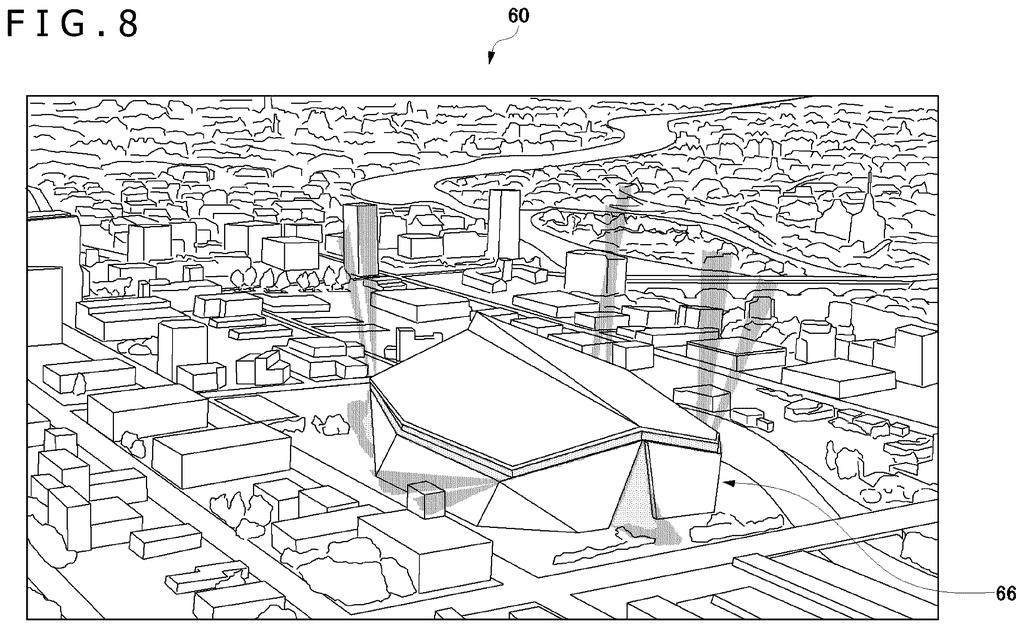
Picture this: you're hanging out in one online virtual world, and on the wall of the digital club you're in, there's a live window showing what's happening right now in a totally different virtual world. Not a recording, not a highlight reel, but a real-time display of events unfolding elsewhere.
That's what Sony is describing here. The system lets one virtual space (call it World A) pull in a live snapshot of a second virtual space (World B) and present it as a kind of performance or broadcast to the people inside World A. Think of it like a TV channel inside a video game that shows you a live feed from another game.
For Sony, which runs PlayStation Network and has been exploring social virtual spaces, this could mean letting players in one environment watch events, concerts, or gameplay happening in a completely separate platform or world, all without leaving where they are.
How the system pulls and displays a second world's live state
The patent describes a metaverse management device, essentially a server-side system, that coordinates two separate virtual environments at once.
It has two key pieces:
- An event information acquiring section that continuously pulls data about the current state of a second metaverse (what's happening there right now, positions of avatars, active events, etc.).
- A performance control section that takes that incoming data and renders it as a visible presentation inside the first metaverse, so users there can see a live representation of the other world.
The word performance here is used broadly in the patent. It could mean a visual display on a virtual screen, a holographic projection inside the world, or any representation of external events. The patent does not limit this to video; the underlying data about the second world's state drives whatever the first world chooses to display.
Critically, the two metaverses are described as different, meaning this is explicitly a cross-platform or cross-environment concept, not just a camera pointing at another corner of the same world.
What this means for PlayStation's virtual world ambitions
For Sony, this is a building block for connecting separate virtual platforms without forcing users to switch between them. If you're in one PlayStation social space and something big is happening in a different game world or virtual event, this system would let you watch it live from where you already are. That's a meaningful quality-of-life idea for online communities.
More broadly, the concept points toward a future where virtual worlds aren't isolated islands. If this kind of cross-metaverse broadcasting became standard, it would give platform holders like Sony a way to keep users engaged inside their ecosystem even when the most interesting activity is technically happening somewhere else.
This patent is conceptually interesting but thin on specifics. The core claim is basically 'show one virtual world's live data inside another virtual world,' which is an idea, not yet an engineering blueprint. It reads more like Sony staking out territory on a broad concept than describing a fully realized system. Worth watching if Sony announces any real cross-platform metaverse features, but not a reason to get excited today.
There are more where this came from
We read every patent application Big Tech publishes and send you the ones worth knowing. Plain English, free, every week.
The drawings
7 drawing sheets from US 2026/0220896 A1 · click any drawing to enlarge


Want this weekly breakdown for a company we don't cover? Patentlyze Pro →
Be the first to weigh in