
Sony Patents a System That Carries Your Avatar Across Different Virtual Worlds
Imagine spending hours building a custom character in one virtual world, only to start from scratch every time you visit a different one. Sony is filing patents to fix exactly that.
What Sony's avatar conversion system actually does
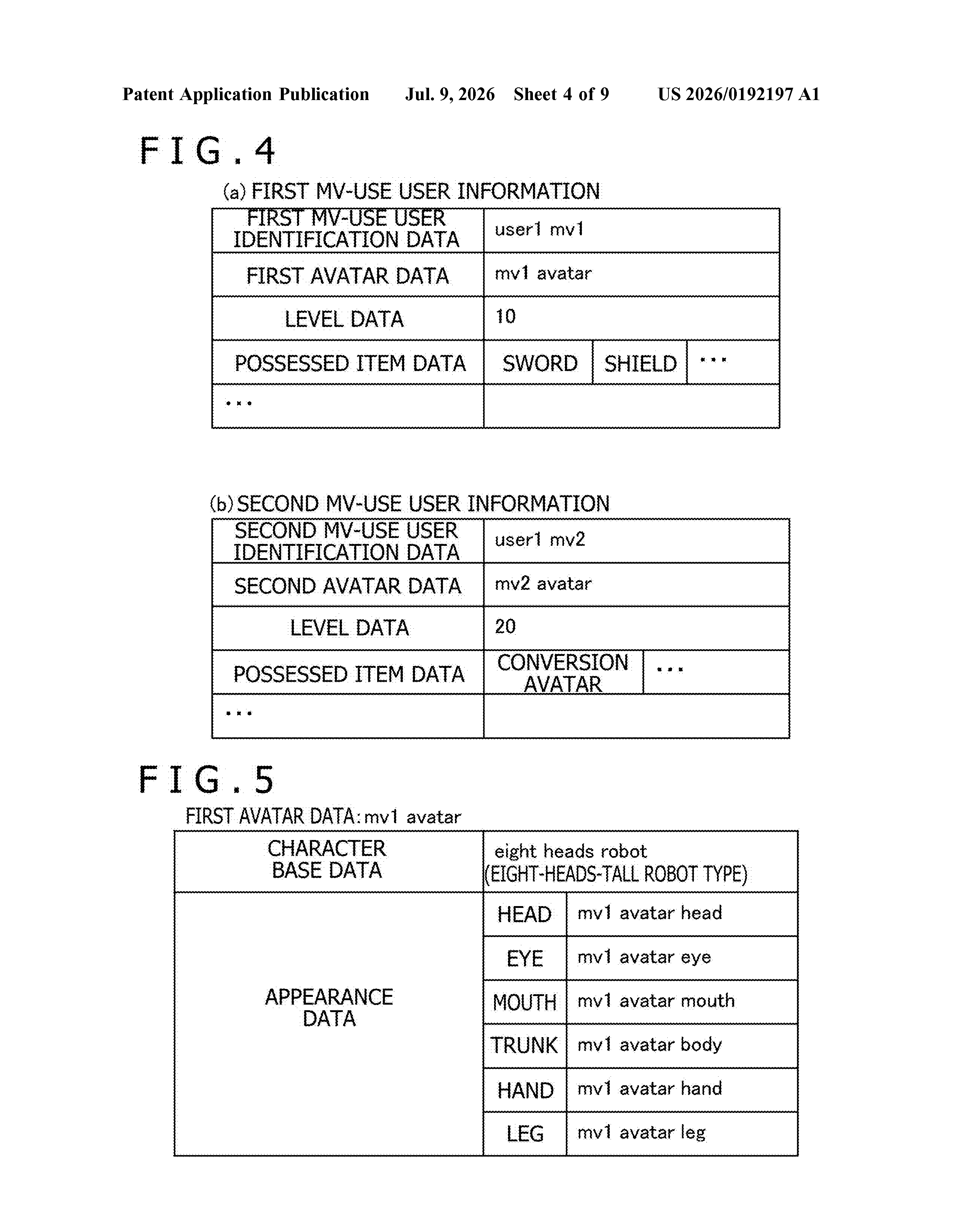
Picture your online gaming character: the costume, the face, the accessories you've carefully put together. Right now, that character typically exists only inside the specific game or platform where you made it. Jump to a different game or virtual space, and you're back to a generic default.
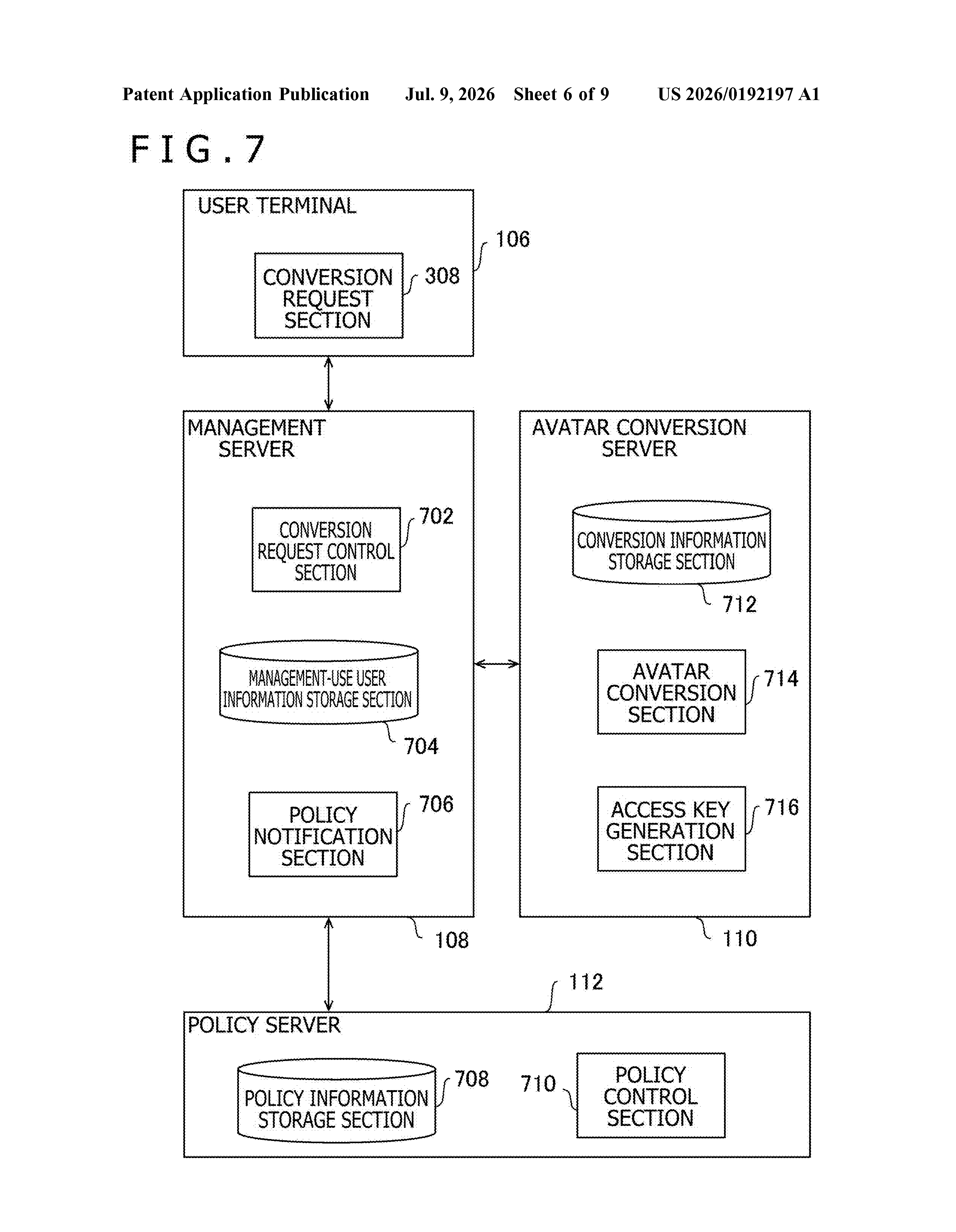
Sony's patent describes a server-based system that acts as a translator between virtual worlds. When you move from one space to another, it takes your existing avatar's data and converts it to fit the rules and visual style of the destination world, automatically, without you having to rebuild anything from scratch.
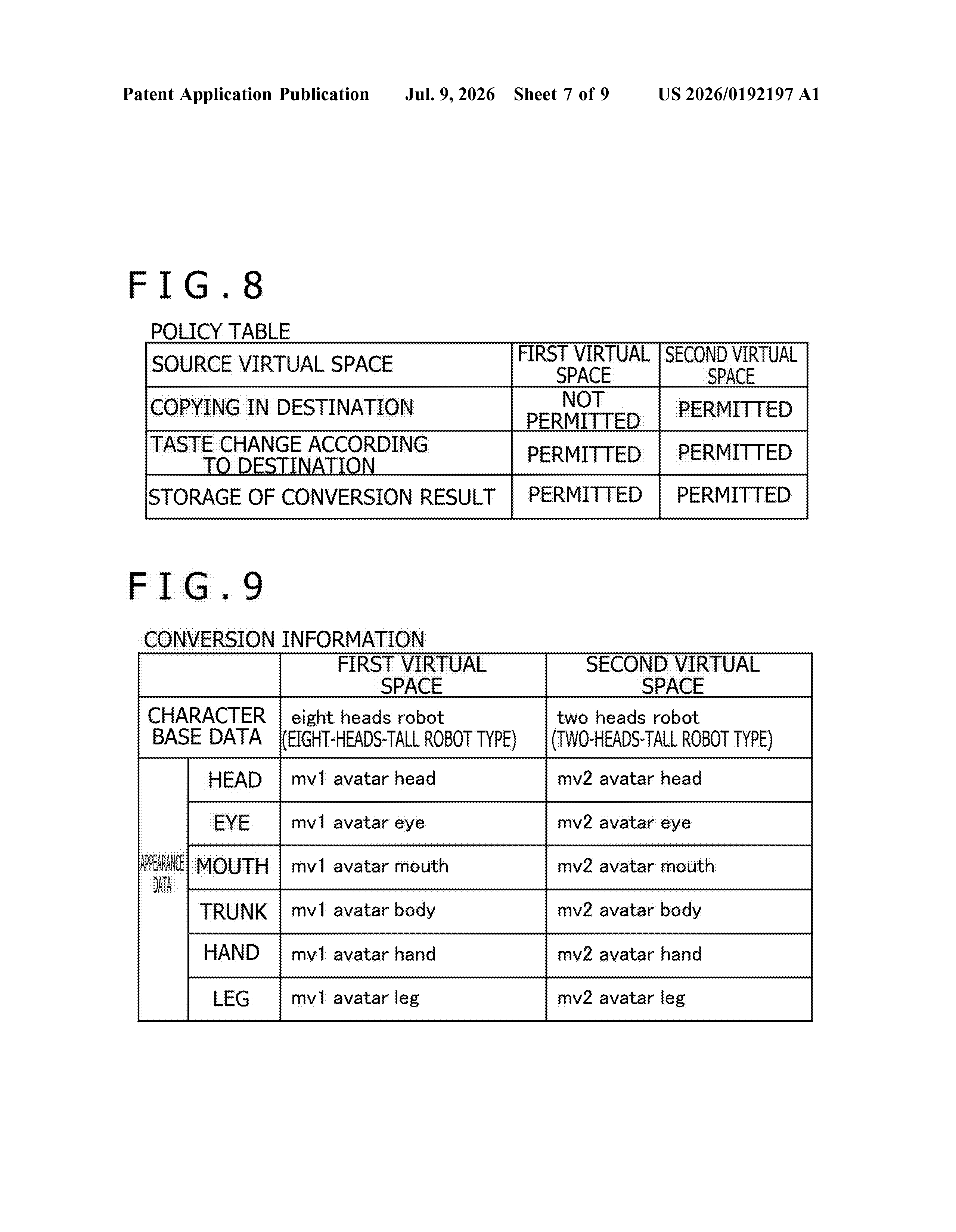
The key idea is a conversion information storage section: a database that holds pre-agreed rules for how avatars from one platform map onto avatars in another. Think of it like a currency exchange, but for digital identities. Your character gets adapted to the new world's look and feel while preserving as much of your original design as the system can carry over.
How the server translates one avatar into another
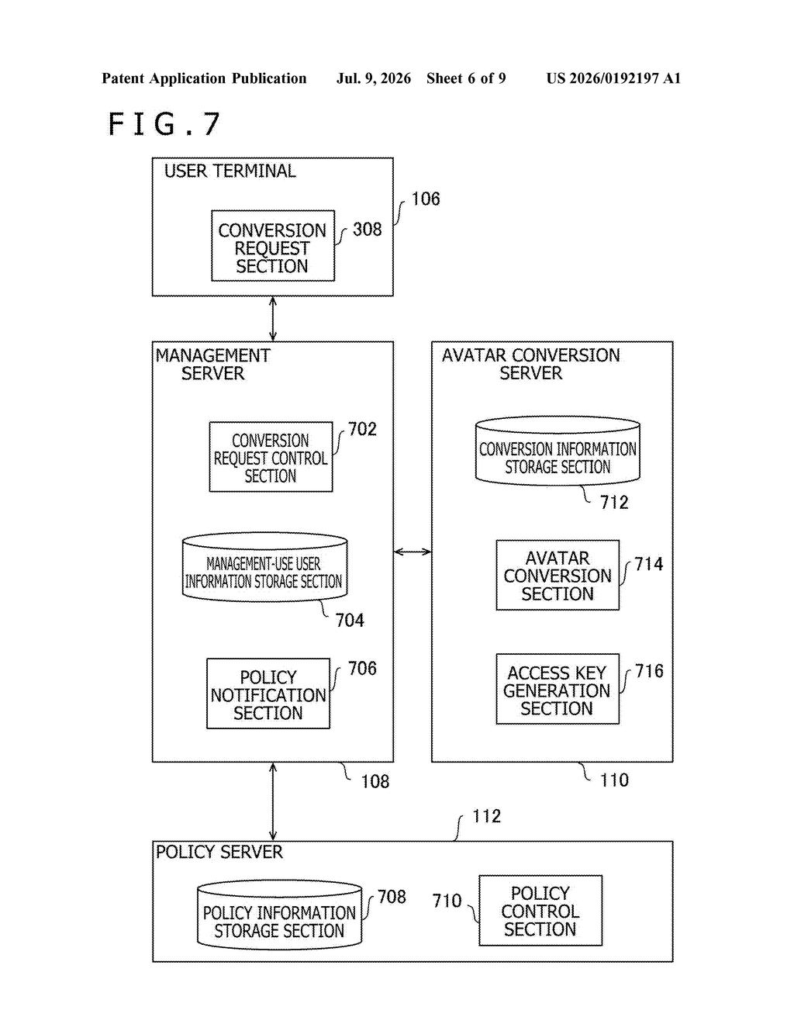
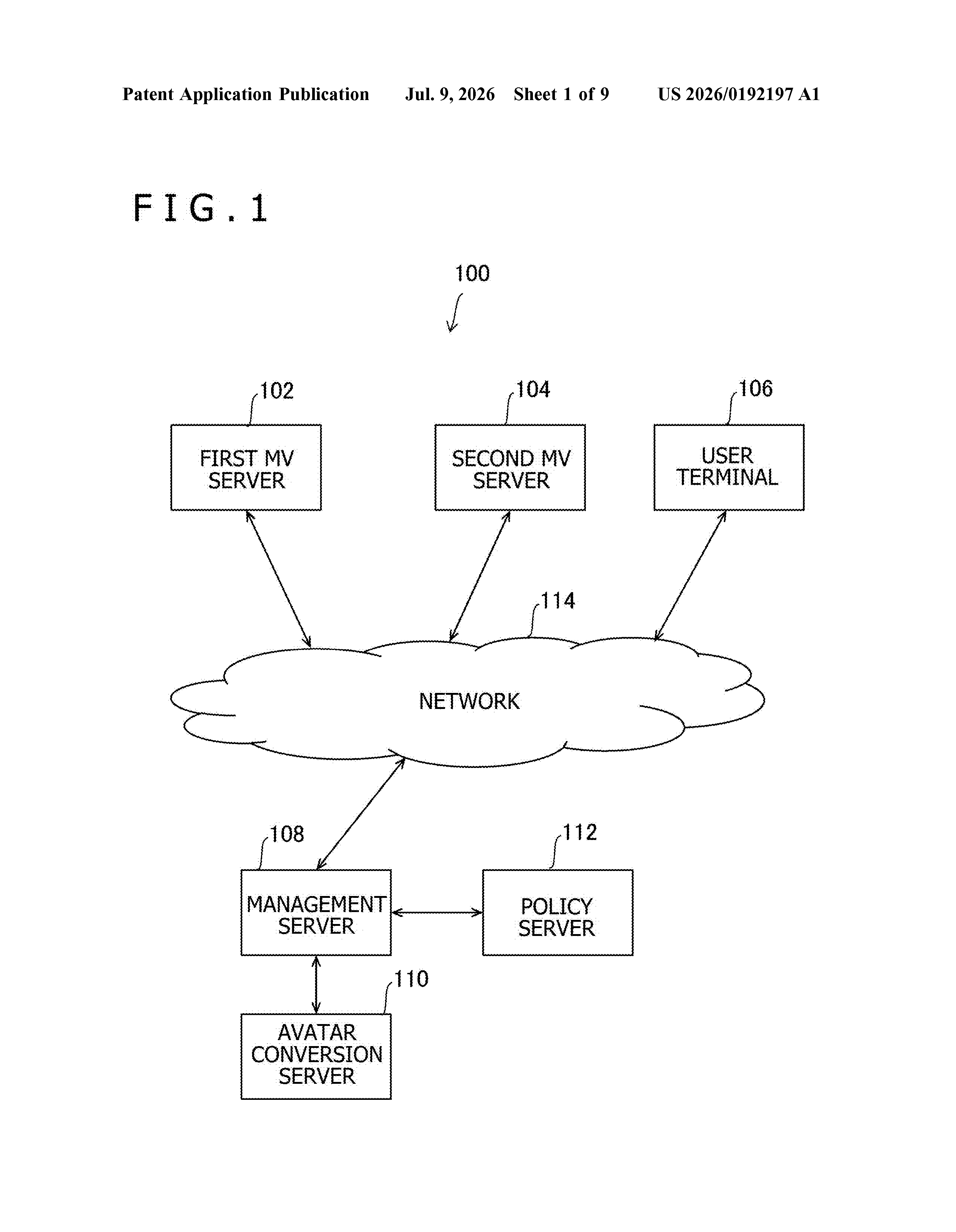
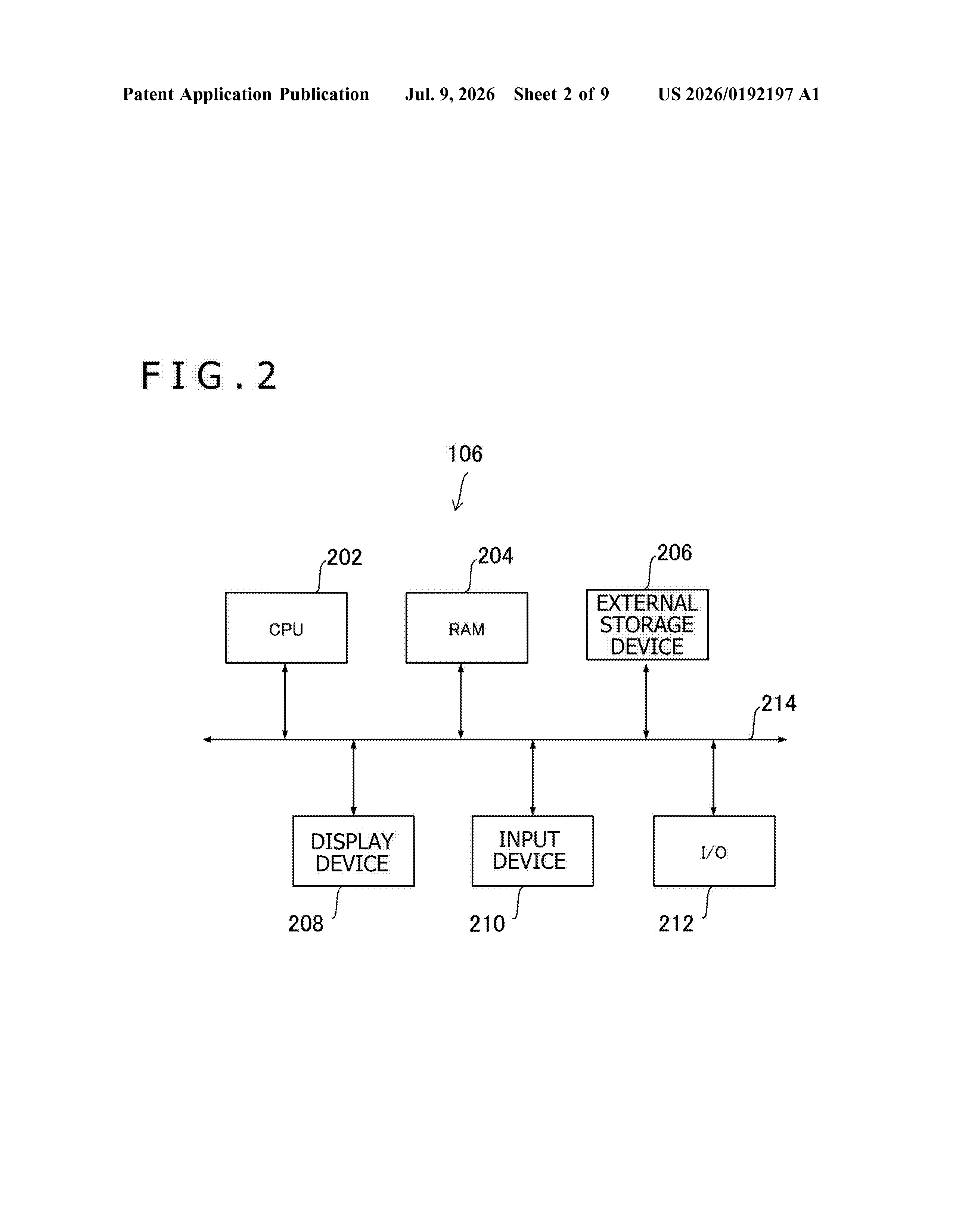
The system has two main parts working together: a user terminal (your console or device) and an avatar conversion server (Sony's backend infrastructure).
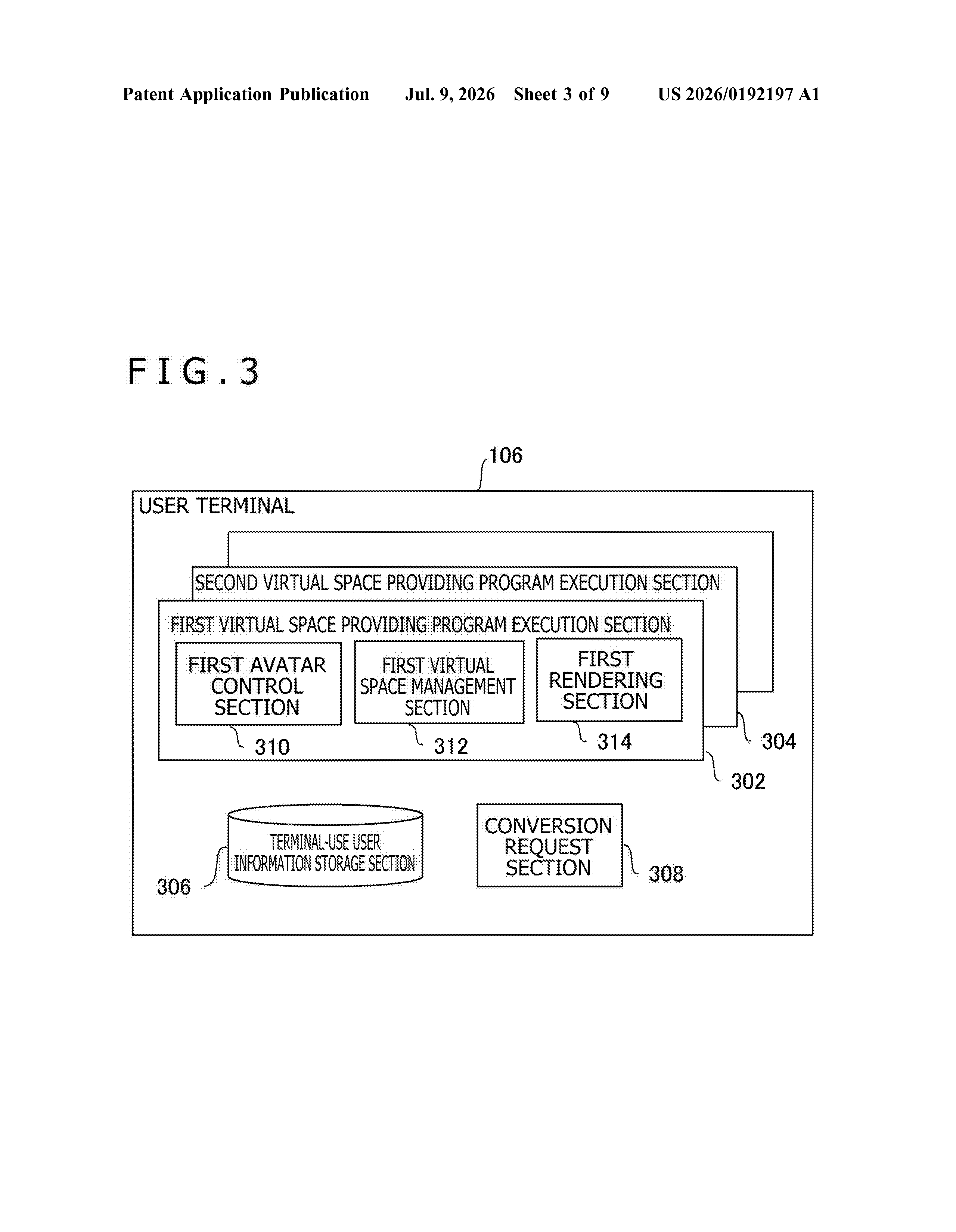
On the user side, two software modules run in parallel:
- A first virtual space providing program that handles your avatar in the world you're coming from
- A second virtual space providing program that will handle your avatar in the world you're going to
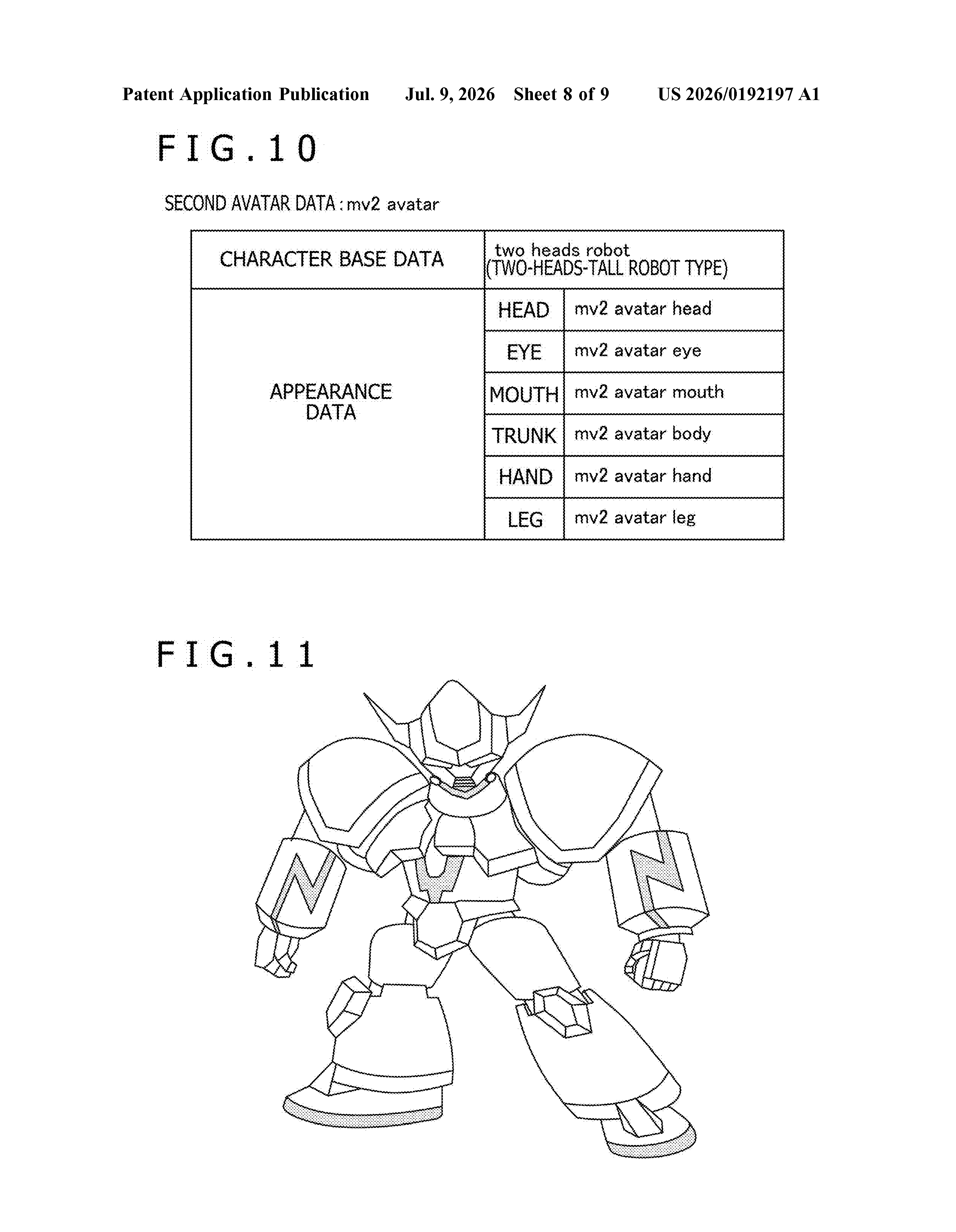
When you decide to move between worlds, a conversion request signal is sent to Sony's server. The server pulls your current avatar's raw data (first avatar data), looks up the pre-configured translation rules for that destination world (conversion information), and generates a new set of avatar data (second avatar data) shaped to fit the destination's visual style and technical format.
The translation rules are stored ahead of time, meaning platform operators or game developers would need to agree on and publish those mappings before the system can work. The output avatar is then sent back to your terminal and used automatically when you arrive in the new space.
What this means for PlayStation and virtual worlds
Sony runs PlayStation's virtual ecosystem, and avatar portability has been a consistent pain point across gaming and the broader "metaverse" space. A server-side translation layer means neither game developer has to build custom cross-platform support into their own software; Sony handles it centrally. That lowers the barrier for different virtual worlds to accept each other's users.
For you as a player, the practical upside is keeping some version of your identity intact as you move between experiences, whether that's a PlayStation game, a social VR space, or a future service Sony hasn't announced yet. The caveat is that "conversion" almost certainly means some visual details get lost or changed in translation, since different worlds have different art styles and character limits. But arriving with something familiar is a meaningful improvement over arriving with nothing.
This is a genuine infrastructure problem that Sony is taking a practical swing at. Avatar portability has been talked about for years in virtual world circles with very little to show for it, and a centralized server-based translation approach is a reasonable, if unglamorous, way to start chipping at it. Whether it ships as a real feature depends entirely on whether game developers buy into the ecosystem, which is a harder problem than the technical one.
There are more where this came from
We read every patent application Big Tech publishes and send you the ones worth knowing. Plain English, free, every week.
The drawings
9 drawing sheets from US 2026/0192197 A1 · click any drawing to enlarge
Want this weekly breakdown for a company we don't cover? Patentlyze Pro →
Be the first to weigh in