
Sony Patent Detects When You're Alone, Then Serves You Content
Sony is patenting a system that watches for the moment you're alone in an enclosed space, then uses that privacy as a trigger to serve you a specific kind of personalized, immersive content experience.
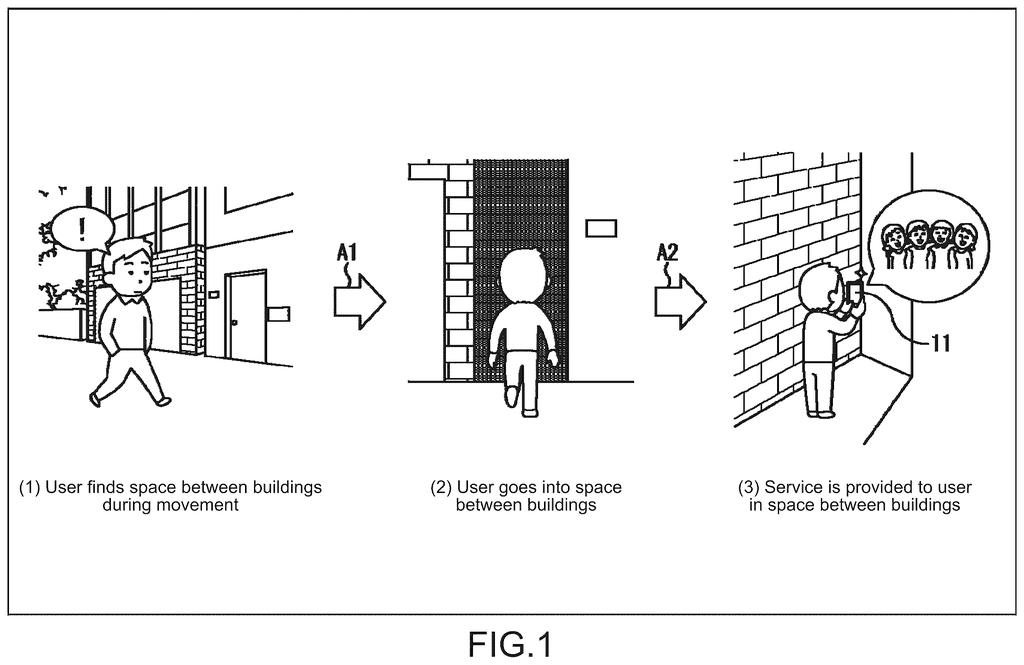
What Sony's 'private moment' content system actually does
Imagine your phone figures out that you're sitting alone in your bathroom, bedroom, or a small office cubicle, and then shifts into a special mode, surrounding you with sounds and visuals tailored to make the moment feel like your own private world. That's roughly the idea here.
Sony's patent describes a system that uses sensors near you to determine two things: that you're physically alone, and that you're in a spot enclosed by walls on at least three sides. When both conditions are met, the device unlocks a "specific service" built around personalized content, including things like being surrounded by your favorite music, images, or characters.
The patent mentions smartphones as the obvious application. The logic seems to be that private moments are a different kind of opportunity for content, and Sony wants to make those moments feel special rather than just scrolling a generic feed.
How sensors decide you're alone and enclosed enough
The system relies on a controller that processes sensor data collected from sensors positioned around the user. Those sensors feed the device information about the user's physical environment, specifically whether the user is alone and whether they're inside a space enclosed by walls on at least three sides (think a small room, a bathroom stall, or a tight alcove).
When both conditions are confirmed, the device triggers a specific service that delivers content combining sound and visuals. The patent gives two concrete examples of what that content might look like:
- A mode that surrounds the user with their "favorites," such as beloved characters, artists, or personalized imagery
- A mode that emphasizes solitude itself as an experience, offering calming or immersive content designed for one person
The system is designed to make using these services feel like a special occasion, not just another notification or app launch. By tying the experience to a detected private context, Sony is essentially saying the environment you're in should shape what content you get and how it's presented.
The patent lists smartphones as the primary target platform, though the underlying approach could apply to other Sony devices.
What this means for Sony's phone and entertainment strategy
For Sony, this patent sits at the intersection of its entertainment content library and its smartphone hardware. Sony's Xperia phones have long tried to differentiate on audio and display quality; a system that detects private moments and shifts into an immersive content mode would be a natural extension of that positioning. It's also a signal that Sony is thinking about context-aware content delivery, where your physical situation, not just your preferences, shapes what you see and hear.
For you as a user, this could mean your phone feels more like a personal entertainment device in quiet moments and less like a generic screen. The flip side is the obvious privacy question: a system that knows when you're alone and enclosed is gathering some fairly sensitive behavioral data, and how Sony handles that will matter.
This is a genuinely interesting idea buried inside a vague patent title. Tying content delivery to detected physical privacy is a real design insight, and Sony is one of the few phone makers with both the sensor hardware and the content catalog to pull it off. Whether it ever ships as an actual feature is another question, but it's worth watching as a signal about where Sony thinks mobile entertainment is heading.
There are more where this came from
We read every patent application Big Tech publishes and send you the ones worth knowing. Plain English, free, every week.
The drawings
16 drawing sheets from US 2026/0219726 A1 · click any drawing to enlarge


Want this weekly breakdown for a company we don't cover? Patentlyze Pro →