
Samsung Patents a Beamforming Method for 5G and 6G Fronthaul Radio Units
Modern 5G base stations are split into separate units that talk to each other over a high-speed internal link called the fronthaul. Samsung is patenting a smarter way to handle the signal processing at the radio end of that link — a small but consequential tweak to how beams are formed and transmitted.
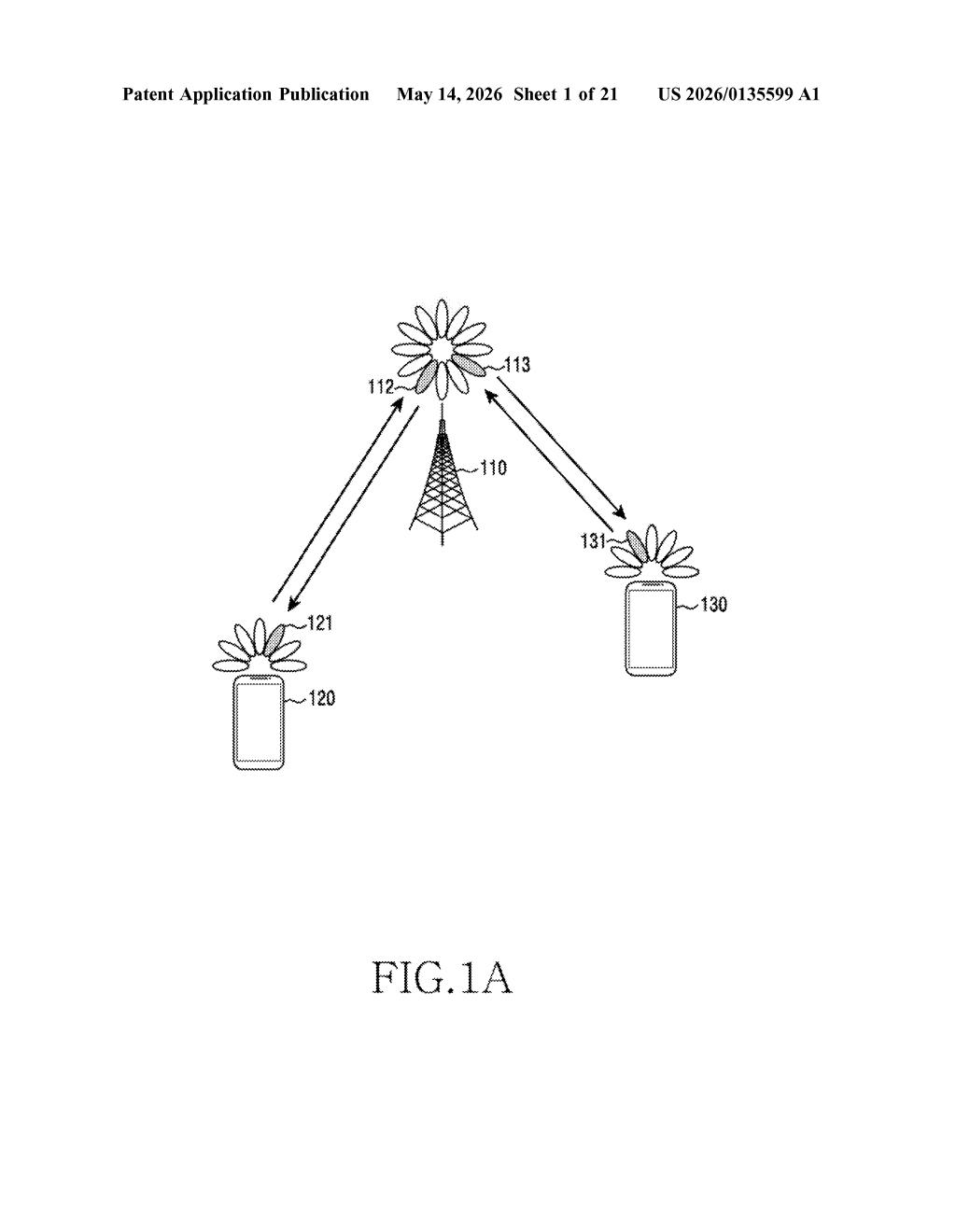
What Samsung's fronthaul beamforming patent actually does
Imagine a 5G cell tower as a team with two main members: a brain (the Distributed Unit, which handles high-level processing) and hands (the Radio Unit, which actually transmits the signal over the air). Those two have to pass data back and forth constantly, and how efficiently they do that matters a lot for network performance.
This Samsung patent is about improving the job done by the Radio Unit (RU) — the "hands" of the operation. Specifically, it describes a method where the RU takes data from multiple signal layers, mixes them together, applies directional beam weights (so the signal is aimed at you rather than broadcast everywhere), and then runs a special math operation to convert the result into a real radio signal ready for transmission.
The twist is in when and how that math operation (called an IFFT) is applied — the patent describes running it in two distinct stages. It's an incremental engineering refinement, but in the world of cellular infrastructure, those refinements add up across millions of base stations.
How the RU applies weights and runs dual IFFT processing
The patent describes a signal processing pipeline running inside a Radio Unit (RU) — the hardware physically attached to the antenna array in a split-architecture 5G or 6G base station.
The pipeline works in four steps:
- Layer multiplexing: One or more "layer" data streams (each representing a spatial data stream in a MIMO system — think of layers as parallel data lanes) are combined into multiplexed (MUX) layer data.
- Beamforming weight application: Weights are applied to that combined data to steer the antenna beam toward specific users rather than radiating in all directions. This is the core of massive MIMO beamforming.
- IFFT conversion: An Inverse Fast Fourier Transform (IFFT) — a standard math operation that converts frequency-domain signal data into a time-domain waveform the radio can actually transmit — is applied to the antenna data.
- IFFT processing: A second, distinct IFFT processing step is then performed on the already-converted data.
The unusual part is this two-stage IFFT approach. Standard pipelines typically run a single IFFT pass. Samsung's framing suggests this split allows beamforming weights to be applied between frequency and time domain operations, potentially improving efficiency in how fronthaul bandwidth is used.
What this means for 5G and 6G base station design
In split-RAN architectures — the dominant design for modern 5G deployments — the fronthaul link between the Distributed Unit and the Radio Unit is a known bottleneck. Reducing the computational and bandwidth overhead at the RU directly translates to cheaper hardware, lower latency, and more scalable deployments. Samsung, as a major supplier of both 5G network equipment and chipsets, has strong commercial reasons to optimize this pipeline.
For you as an end user, this kind of work is invisible — but it's what determines whether your 5G connection stays fast when a lot of people are connected to the same tower. It also lays groundwork for 6G, where even tighter fronthaul efficiency will be required to support the much higher antenna counts being planned.
This is a fairly narrow, incremental patent covering a specific signal processing sequence inside a 5G/6G Radio Unit. It's not a conceptual leap — it's a careful engineering refinement of an existing pipeline. That said, Samsung's infrastructure division competes directly with Ericsson, Nokia, and a growing field of Open RAN vendors, and small efficiency wins in RU processing are exactly the kind of thing that differentiates base station hardware at scale.
There are more where this came from
We read every patent application Big Tech publishes and send you the ones worth knowing. Plain English, free, every week.
Want this weekly breakdown for a company we don't cover? Patentlyze Pro →