
Microsoft Patents a Middlebox That Unlocks Advanced 5G Radio Network Features
Microsoft is filing patents in a corner of telecom infrastructure most people never think about — the plumbing between 5G antennas and the software that controls them. The interesting part? They want to slip a new kind of intermediary device into that pipe to unlock features that normally require expensive hardware upgrades.
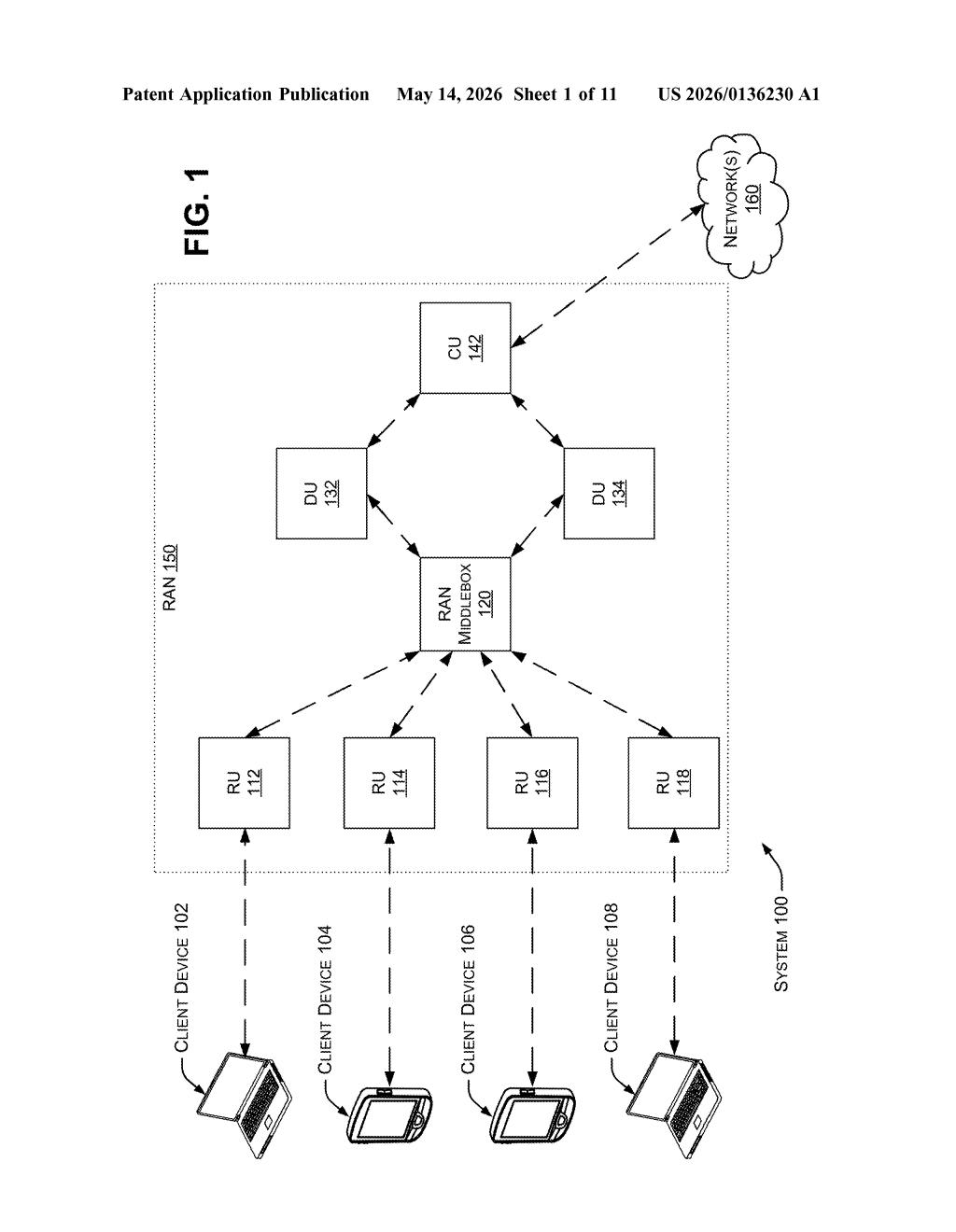
What Microsoft's 5G middlebox actually does for cell networks
Imagine a 5G cell tower as two separate pieces: the radio unit (the antenna hardware on the tower itself) and the distributed unit (the software brain that tells the antenna what to do). These two pieces talk to each other over a connection called the fronthaul link. Today, that link is pretty dumb — it just passes data back and forth.
Microsoft's patent describes inserting a middlebox — essentially a smart traffic processor — into that fronthaul link. Instead of dumb data transfer, the middlebox can combine signals from multiple antennas, let two different network operators share a single antenna, or expose real-time network stats through a programming interface.
Think of it like adding a smart switch to your home network: your router and devices still work the same way, but now you've got a box in between that can do traffic shaping, monitoring, and routing tricks that weren't possible before. Here, that same idea gets applied to cell tower infrastructure.
How the middlebox intercepts and reshapes fronthaul traffic
The patent describes a middlebox — a dedicated processing node — that sits on the fronthaul link between Distributed Units (DUs) and Radio Units (RUs) in an Open RAN-style 5G architecture. The DU is the software layer handling baseband processing; the RU is the physical antenna hardware. The fronthaul is the high-bandwidth, low-latency link connecting them.
By intercepting and reshaping that fronthaul traffic, the middlebox can deliver several specific features:
- Distributed Antenna System (DAS) connectivity — coordinating multiple geographically spread antennas as if they were one logical unit
- Distributed MIMO (Multiple-Input Multiple-Output — the technique of using many antennas simultaneously to multiply data throughput) across separate physical RUs
- Radio Unit sharing — allowing two or more DUs, potentially from different operators or network slices, to share a single physical antenna
The middlebox also exposes an API (Application Programming Interface — a standardized way for software to request data) that surfaces real-time metrics: scheduling decisions, signal quality measurements, buffer status, random access attempts, and overall network load. This turns the fronthaul link from a passive pipe into an observable, programmable layer.
The patent's claim diagram even shows a concrete example: two 4×4 MIMO cells sharing a virtual 4-antenna RU operating across 100 MHz — something that would normally require a hardware overhaul.
What this means for flexible, software-defined 5G deployments
Open RAN has been the telecom industry's big bet on disaggregating cell network hardware so that software from different vendors can work together. In practice, that flexibility has been hard to realize without expensive custom hardware. A middlebox approach like this could let network operators add advanced antenna coordination and sharing features through a software-defined intermediary rather than ripping out physical gear.
For cloud and enterprise players moving into telecom — which Microsoft explicitly is, via Azure for Operators — owning the software layer that sits between antennas and their controllers is strategically valuable. If this approach ships, it could make Microsoft a key piece of the 5G infrastructure stack that carriers, neutral hosts, and enterprise private networks all depend on.
This is a focused, infrastructure-level patent that won't make headlines in consumer tech circles — but it's exactly the kind of filing that signals Microsoft is serious about owning the programmable layer of 5G networks. The middlebox concept is clever because it's non-invasive: it doesn't require changes to the DU or RU, just a new node in between. That's a practical deployment advantage in a market where carriers are notoriously slow to swap out hardware.
There are more where this came from
We read every patent application Big Tech publishes and send you the ones worth knowing. Plain English, free, every week.
Want this weekly breakdown for a company we don't cover? Patentlyze Pro →