
Samsung Patents a Robot That Finds and Cleans Up Liquid Spills Autonomously
Spilled a glass of water at 2am? Samsung is patenting a robot that can spot liquid on the floor, figure out whether it's safe to drive over, and then clean it up — all without you lifting a finger.
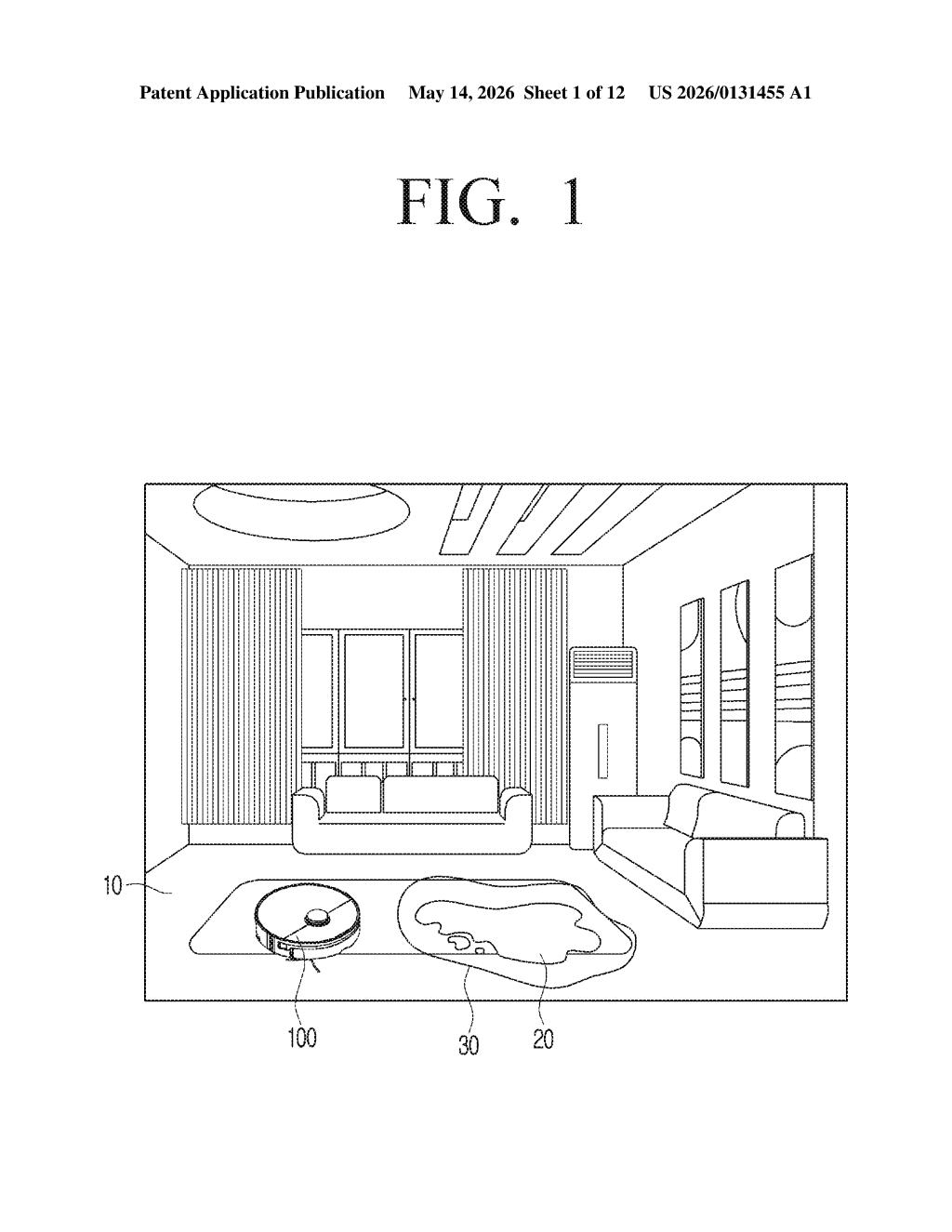
What Samsung's liquid-detecting cleaning robot actually does
Imagine your robotic vacuum detects a puddle of spilled juice in the kitchen. Right now, most robots either ignore it, smear it around, or get stuck. Samsung's patent describes a smarter approach: a robot that actively identifies liquid contaminants using its onboard sensors, then decides what to do about them.
The key step is a two-stage safety check. First, the robot consults a space map — a stored layout of your home — to confirm the wet area is physically safe to enter. Then, as it moves in, it gathers fresh sensor data to verify the surface is actually cleanable before plotting a specific cleaning path. It won't just barrel through.
Only after passing both checks does the robot commit to a cleaning route and start working. It's essentially adding a "look before you leap" decision loop to a robot's existing navigation and cleaning routines.
How the robot maps, checks, and cleans a spill zone
The patent describes a multi-step decision pipeline that activates when a liquid contaminant is detected. Here's the flow:
- Detection: One or more sensors (likely a camera, floor sensor, or moisture detector) flag a liquid on the floor and define a cleaning area around it.
- Travelability check: The robot cross-references the flagged area against a stored space map — essentially a floor plan with known obstacle zones — to confirm it can physically navigate to and through the wet area without getting trapped or damaged.
- Cleanability check: The robot moves into the area and gathers real-time sensing data. This second pass accounts for dynamic conditions a static map wouldn't capture — think a puddle near chair legs or on a rug vs. tile.
- Path planning and execution: Only if both checks pass does the robot calculate a cleaning path and begin cleaning.
The two-stage verification (map-based, then sensor-based) is the core invention here. It separates "can I go there?" from "should I clean there?" — a meaningful distinction for liquid messes, which present risks static maps can't always anticipate.
What this means for Samsung's home and commercial robots
For Samsung, which makes the Jet Bot line of robotic vacuums, this patent signals an intent to push beyond dry debris into active liquid spill response — a capability that competing robots largely avoid. Liquid detection and cleaning is genuinely harder than vacuuming: you risk spreading the mess, shorting sensors, or slipping on a wet surface.
For you as a user, this would mean a robot that doesn't just vacuum on a schedule but actually responds to accidents as they happen. Whether that shows up in a consumer product or in Samsung's commercial cleaning robots (like those deployed in retail and hospitality spaces) isn't clear yet — but the dual-check architecture suggests they're thinking carefully about real-world safety, not just a marketing feature.
This is a genuinely practical patent — not flashy AI, just a smart decision loop that solves a real failure mode in current robots. The two-stage verification (map first, live sensors second) is exactly the kind of defensive engineering that separates a robot that cleans spills from one that spreads them. Samsung clearly wants its robots to handle the messier parts of real kitchens and commercial floors.
There are more where this came from
We read every patent application Big Tech publishes and send you the ones worth knowing. Plain English, free, every week.
Want this weekly breakdown for a company we don't cover? Patentlyze Pro →