
IBM Patents a System That Stops Private Data From Exposing During Code Testing
Debugging software is supposed to expose everything under the hood, but that creates a real problem when the code is handling passwords, encryption keys, or private customer data. IBM's new patent tries to fix that by automatically blocking sensitive information from reaching the developers and tools doing the debugging.
What IBM's debugging data shield actually does
Imagine your bank's software has a bug, and an engineer needs to open it up and poke around to find the problem. The trouble is that debugging tools work by showing everything, including your account number, your password, or your social security number. That's a serious privacy risk, especially in cloud environments where the code might be running on someone else's hardware.
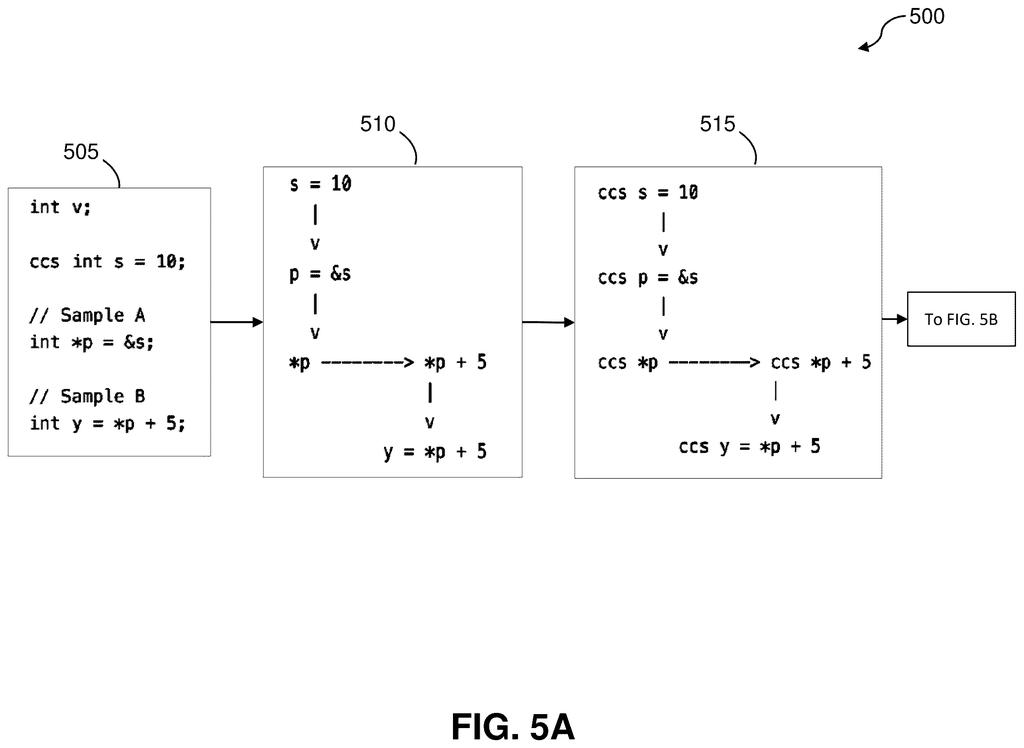
IBM's patent describes a system that reads through the code before a debugging session starts and automatically identifies which pieces of data are sensitive. It then looks for other variables in the code that are connected to those sensitive ones, because data that touches a password is often just as risky as the password itself.
Once those variables are flagged, the system places a kind of "do not show" marker in the debugging output. Any external debugging tool that asks for that data gets blocked automatically, without the developer having to manually hide anything.
identifying, by a processor set, sensitive variables marked with a confidential computing sensitive tag within a compiled microservice code; identifying, by the processor set, unmarked variables related to the sensitive variables within the compiled microservice code; …
Translation: The system finds labeled private data and then tracks down any other hidden variables linked to it.
How IBM tags and blocks sensitive variables at debug time
The patent describes a pipeline that runs on compiled microservice code (small, self-contained pieces of a larger cloud application). Here's how it flows:
- Step 1 - Find the obvious secrets: The system scans compiled code for variables already tagged with a "confidential computing sensitive" label, meaning a developer or policy engine previously marked them as off-limits.
- Step 2 - Find the hidden secrets: It then traces relationships between variables to find unmarked ones that are derived from or connected to the sensitive ones. For example, a variable that stores a hashed version of a password might not be labeled sensitive, but it's related to one that is.
- Step 3 - Tag and propagate: Those related variables get a sensitive attribute tag applied automatically, closing the gap between what a developer remembered to label and what actually matters.
- Step 4 - Block at output: When a debugger asks for data, the system generates a protect flag inside the reply packet (the response the debugger receives). Any downstream debugging client that sees that flag is denied access to the protected values.
The system is designed for confidential computing environments, where code runs inside hardware-isolated enclaves and the expectation is that even system administrators cannot see the data being processed.
… generating a protect flag in a debugging reply packet based on the debugging information entries; and denying data access to downstream debugger clients based on the protect flag.
Translation: It creates a security block that completely blocks outside debugging tools from reading the sensitive information.
What this means for cloud security and developer tools
Cloud software is built and maintained by large teams, and debugging sessions can expose raw data to many people and tools at once. In regulated industries like finance, healthcare, or government contracting, that kind of exposure can violate compliance rules even if nothing malicious happens. IBM's approach automates a control that most organizations currently rely on developers to enforce manually, which is an unreliable approach at scale.
For confidential computing specifically, this fills a genuine gap. The whole point of running code in an isolated enclave is that outsiders can't see the data, but debugging has traditionally been an exception that breaks that guarantee. A system that extends the privacy boundary into the debugging workflow makes confidential computing more practical for real production software.
This is unglamorous but genuinely useful infrastructure work. The automatic propagation of sensitivity tags to related variables is the interesting bit, because that's the gap where real data leaks happen. Whether IBM turns this into a shipping product or it stays buried in a research pipeline will determine how much it actually matters.
There are more where this came from
We read every patent application Big Tech publishes and send you the ones worth knowing. Plain English, free, every week.
The drawings
6 drawing sheets from US 2026/0228357 A1 · click any drawing to enlarge


Want this weekly breakdown for a company we don't cover? Patentlyze Pro →
Be the first to weigh in