
Samsung Patents a System That Scrubs Personal Data Before It Hits the Blockchain
Blockchains are famously permanent and public, which creates a real problem when a device wants to share data on one without exposing personal information. Samsung's new patent describes a filtering step that strips private data out before anything gets recorded.
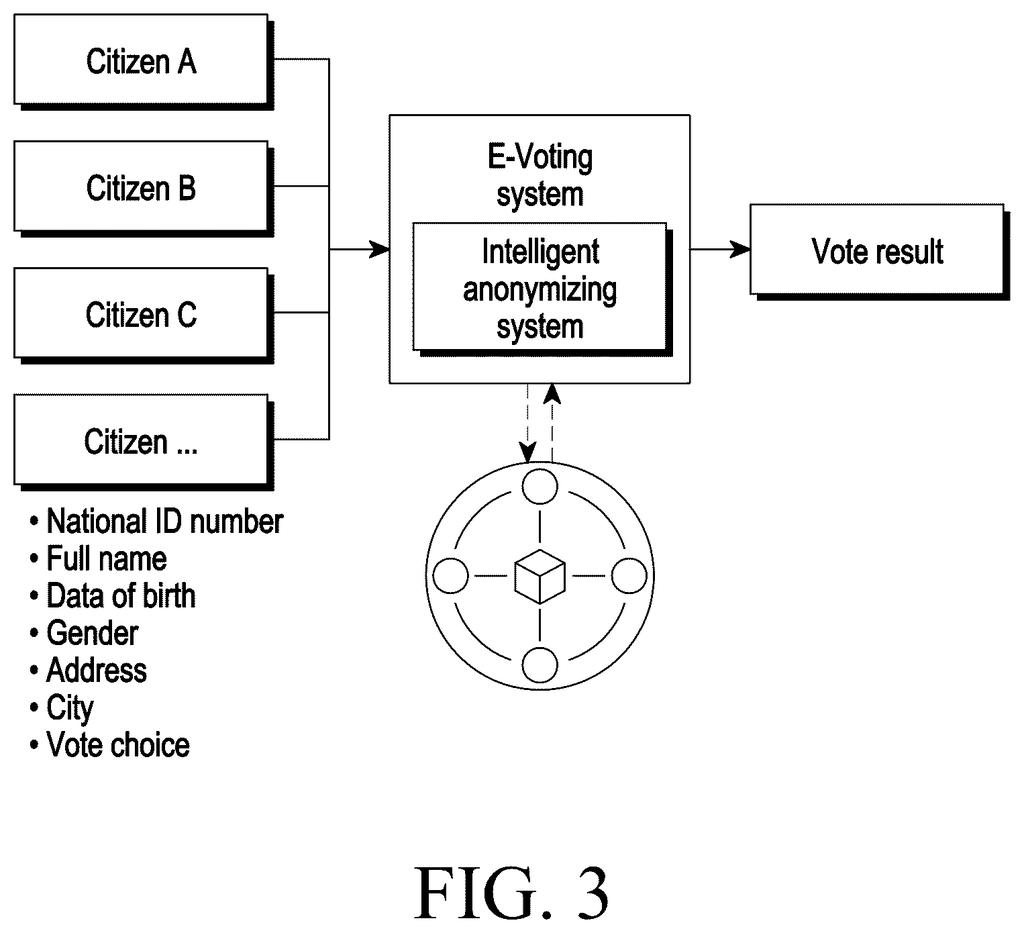
How Samsung keeps your private data off public blockchains
Imagine your phone wants to log activity on a shared blockchain network, the kind used for everything from supply chains to health records. The catch: blockchains are built to be permanent and, in many cases, visible to everyone. Sending raw data from your device could expose things you never intended to share.
Samsung's patent describes a process where the device first filters out private data based on agreed-upon privacy rules, before anything leaves the device. Only the cleaned-up version gets packaged and sent.
To prove the data is legitimate without revealing what was removed, the device uses a set of cryptographic keys, including a special "proof key," to generate a kind of verified signature. The receiving network can confirm the data is real and unaltered, without ever seeing what got filtered out.
… filtering the input data to remove private data from the input data, based on privacy policy agreements; obtaining a public key, a private key, and a proof key; …
Translation: It strips out sensitive personal details before anything else happens.
How the proof key turns filtered data into a verified signal
The patent lays out a five-step process that happens on the electronic device before any data reaches a blockchain network.
- Obtain input data: The device collects whatever raw information it intends to share.
- Filter for privacy: Based on privacy policy agreements already in place, the device removes any fields or values flagged as private, stripping them before transmission.
- Obtain cryptographic keys: The device gathers a public key (shareable identifier), a private key (a secret used to sign data), and a proof key (a separate key used to generate a cryptographic proof).
- Generate an output proof: Using all three keys together with the filtered data, the device produces a cryptographic proof (think of it as a tamper-evident seal that also confirms the filtering was done correctly) without exposing the removed content.
- Transmit the output proof: Only the proof and filtered data go to the target network, not the original raw input.
The mechanism draws on zero-knowledge proof-style concepts, where a party can prove a statement is true ("this data was properly filtered") without revealing the underlying information that was removed.
… generating an output proof of signing data based on the filtered input data, the public key, the private key and the proof key; and transmitting the output proof to a target network.
Translation: It creates a secure cryptographic receipt of the sanitized data to send to the blockchain.
What this means for Samsung devices and blockchain privacy
Blockchains are increasingly used in contexts where devices share sensor data, health metrics, or transaction records. The standing tension has always been that what goes on a blockchain stays there, which makes personal data a liability. A device-level filtering and proof system like this could let your phone participate in shared data networks without permanently exposing personal details to every node on the chain.
For Samsung, which sells everything from smartphones to IoT appliances, a reusable privacy layer for blockchain communication would be useful across a wide product range. That said, this is a foundational method patent, and the gap between a filed method and a shipping feature is wide.
This is a sensible piece of infrastructure thinking: if you're going to put device data on a public ledger, you need a principled way to strip private fields first. The zero-knowledge-proof angle adds real technical credibility. It's not flashy, but it addresses a genuine and unsolved problem in how consumer devices interact with blockchain networks.
There are more where this came from
We read every patent application Big Tech publishes and send you the ones worth knowing. Plain English, free, every week.
The drawings
31 drawing sheets from US 2026/0230306 A1 · click any drawing to enlarge


Want this weekly breakdown for a company we don't cover? Patentlyze Pro →
Be the first to weigh in