
Samsung Patents a Two-Direction Lock Screen UI for Foldable Phones
Samsung is patenting a lock screen that responds differently depending on which direction you swipe — one axis changes your wallpaper, the other opens a widget management panel.
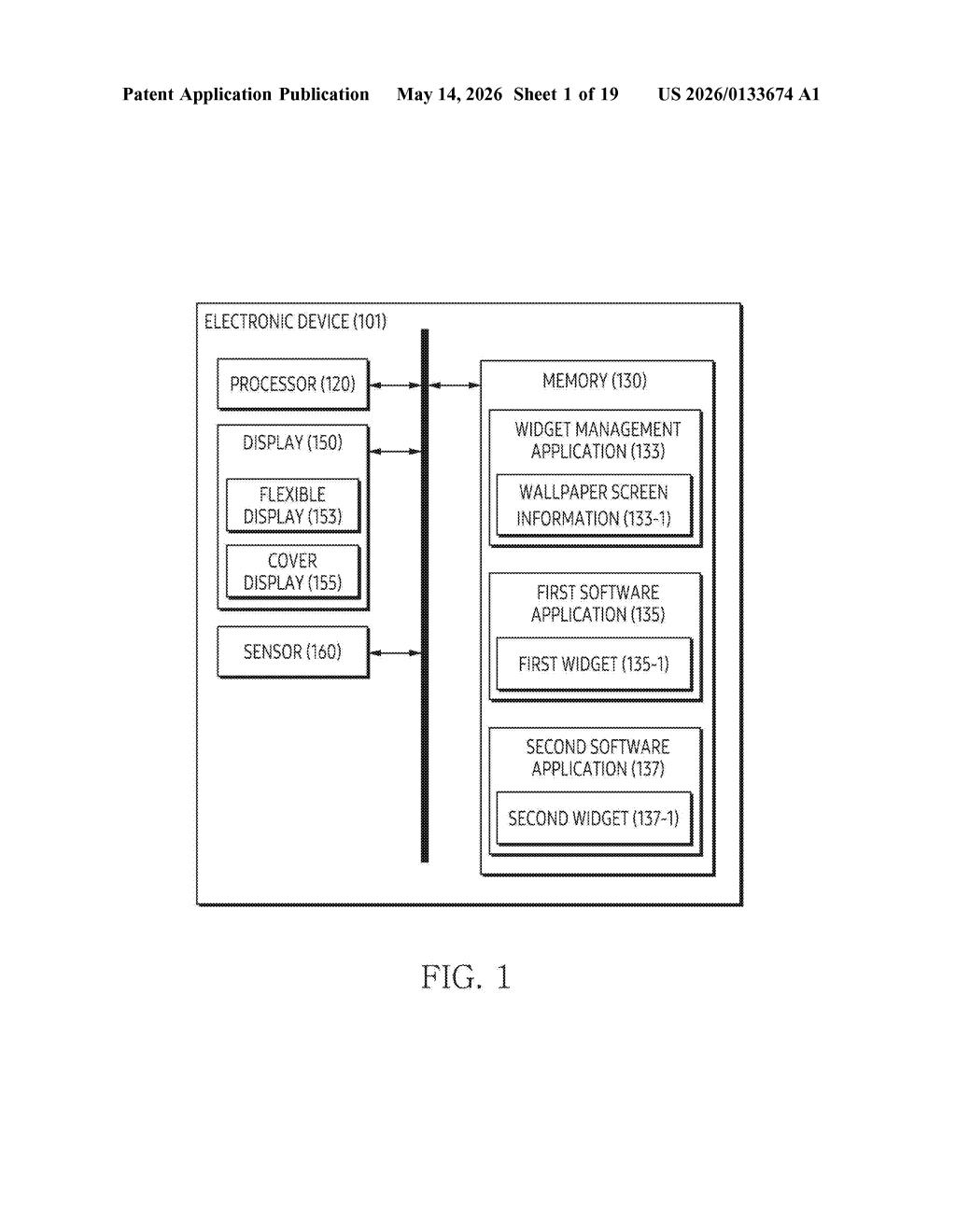
What Samsung's swipeable lock screen UI actually does
Imagine your phone's lock screen could do two completely different things depending on which way you drag your finger. Swipe left or right and you browse through your saved wallpapers like flipping through photos. Swipe up or down and a completely different menu pops up — one that lets you decide which widgets stay active on your screen.
That's the core idea in this Samsung patent. Instead of burying wallpaper and widget settings inside a settings app, this system lets you manage both right from the lock screen using directional gestures. It's similar to how some smartwatch faces work, where different swipe directions surface different controls.
The patent specifically mentions a cover display — the small outer screen on a foldable phone — which suggests Samsung is thinking about this as a way to pack more functionality into the limited real estate of a device like the Galaxy Z Flip.
How the two-axis input system switches between UI layers
The patent describes an electronic device — almost certainly a foldable — with a two-axis gesture system layered on top of the lock screen (called the "wallpaper screen" in the filing).
Here's how the interaction chain works:
- You tap or interact with the current wallpaper screen (the "first input").
- A first UI screen appears showing a scrollable row of visual objects — essentially wallpaper thumbnails — that you can navigate along one axis (say, horizontally).
- While that wallpaper picker is visible, a gesture in a different direction (say, vertically) triggers a second UI screen — a panel specifically for managing widgets, letting you choose which ones stay running on the display.
The key design insight is the orthogonal input mapping: the same surface responds to the same gesture differently depending on context and direction, avoiding the need to navigate into a separate settings menu. This reduces the number of taps needed to switch a wallpaper or kill a widget.
The claim language also references a folded state and a cover display, strongly implying this is designed for the outer screen of a clamshell-style foldable, where screen space is tight and deep menu navigation is awkward.
What this means for Galaxy Z Flip and Fold lock screens
For Galaxy Z Flip users, the cover screen has always been a constrained interaction surface — useful but limited. A gesture-based system that exposes wallpaper switching and widget management without unlocking the phone could meaningfully improve how useful that small screen actually is day-to-day. If you've ever fumbled through settings just to swap a widget on a tiny display, you'll understand the appeal.
More broadly, this patent signals that Samsung is investing in lock screen personalization as a first-class UX layer, not an afterthought. Apple leaned into lock screen customization with iOS 16, and this suggests Samsung wants its own differentiated answer — especially on foldables, where the cover display is a genuine hardware advantage that needs software to match.
This is a tidy, practical UX patent — not a moonshot. The two-axis gesture model is a clever way to surface more controls on a small cover display without cluttering the UI, and it makes real sense for the Z Flip form factor. It's not going to make headlines, but it's the kind of thoughtful interaction design that quietly makes a device more pleasant to live with.
There are more where this came from
We read every patent application Big Tech publishes and send you the ones worth knowing. Plain English, free, every week.
Want this weekly breakdown for a company we don't cover? Patentlyze Pro →