
Samsung Display Patents a Silicon-Based Protective Layer Stack for Panels
Samsung Display is patenting a specific layered construction for display panels that sandwiches silicon-based materials both above and below a cover panel — a structural choice that could quietly improve how well screens survive everyday wear.
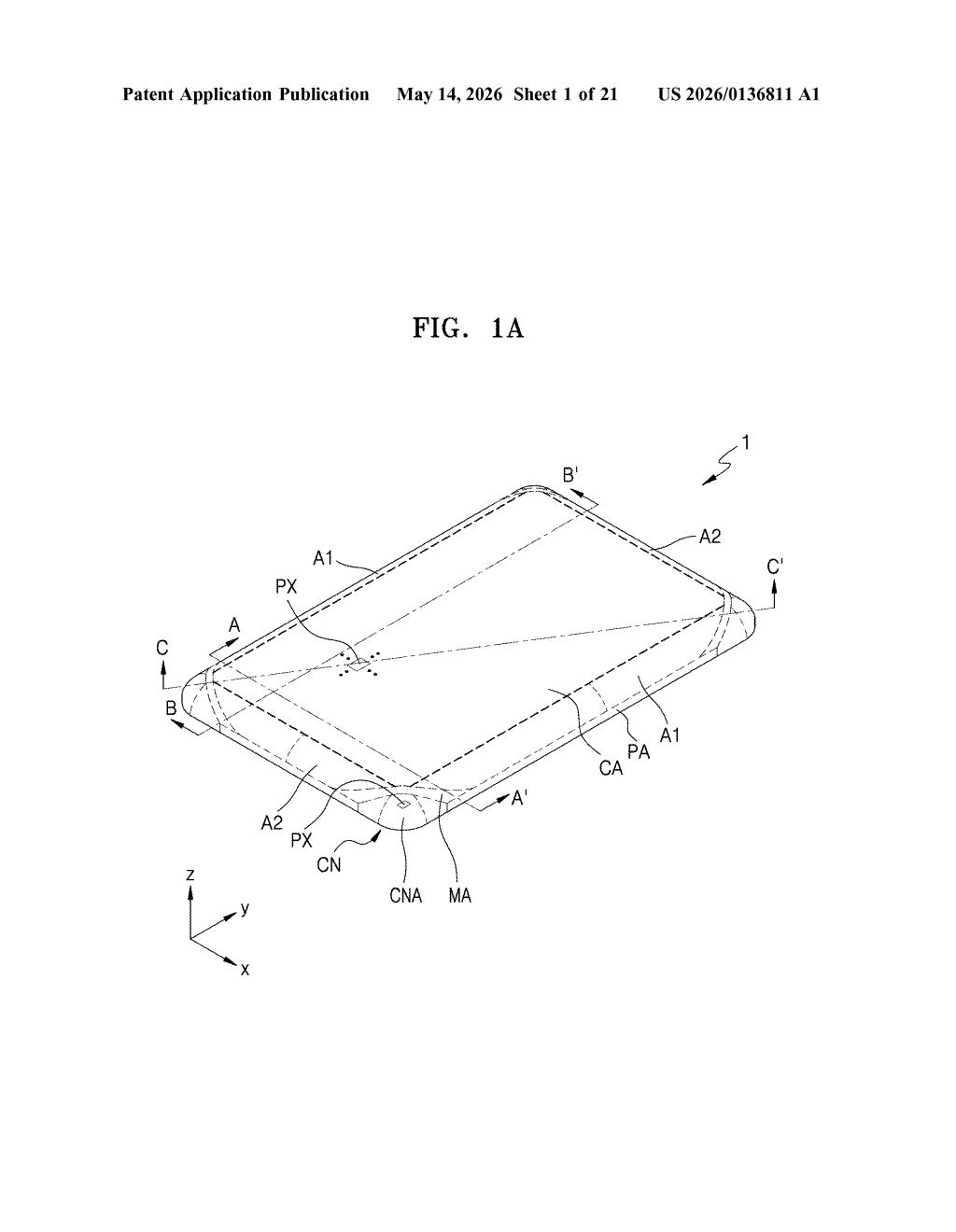
What Samsung's silicon display sandwich actually does
Imagine your phone screen as a club sandwich. There's the display itself on top, then a protective film underneath it, and then a rigid cover panel below that. Each layer has a job, and the materials they're made of determine how well the whole stack holds together over time.
What Samsung is patenting here is a specific recipe for that sandwich: both the protective film and the cover panel use silicon-based compounds — just different ones. The idea is that chemically compatible neighboring layers bond better, flex more consistently, and resist delamination (when layers start to peel apart).
This matters most in foldable and flexible screens, where the stack bends thousands of times. Getting the materials right at this level is the kind of unglamorous engineering that separates a screen that lasts three years from one that starts bubbling at the edges after six months.
How the two silicon compound layers are arranged
The patent describes a three-layer display assembly. From top to bottom: a display panel containing the actual display element (think OLED pixels), a protective film made with a first silicon-based compound, and a cover panel beneath that, which includes a silicon layer made with a second silicon-based compound.
The key detail is that the two silicon compounds are distinct — they're not the same material, but they're from the same chemical family. Silicon-based polymers and resins are prized in display engineering because they offer good thermal stability, flexibility, and adhesion without introducing optical distortion or off-gassing that could damage sensitive OLED layers above.
By specifying silicon-based materials at both the protective film and cover panel levels, Samsung appears to be engineering for chemical compatibility across the interface — reducing stress concentrations where the layers meet, which is exactly where flexible panels tend to fail first.
- Display panel: houses the light-emitting display elements
- Protective film: first silicon-based compound, sits directly under the panel
- Cover panel / silicon layer: second silicon-based compound, forms the structural base
What this means for future Samsung display durability
For foldable and rollable displays — Samsung's most ambitious product category — the mechanical integrity of every layer in the stack is critical. A mismatch in stiffness or thermal expansion between the protective film and the cover panel is one of the most common failure points in flexible screens. Using chemically related silicon compounds on both sides of the interface is a straightforward way to reduce that mismatch.
For you as a consumer, this kind of material engineering is invisible until it isn't — you notice it when a foldable's crease gets worse, or when the screen starts separating near the hinge. Patents like this one reflect the quiet, iterative work that goes into making foldables feel less fragile over time.
This is a narrow, materials-level manufacturing patent — not a flashy concept. But Samsung Display files these kinds of structural patents precisely because display stack construction is where foldable phones live or die. It's worth noting as a data point in Samsung's ongoing effort to make foldable displays more reliable, even if it won't generate headlines on its own.
There are more where this came from
We read every patent application Big Tech publishes and send you the ones worth knowing. Plain English, free, every week.
Want this weekly breakdown for a company we don't cover? Patentlyze Pro →