
Samsung Patents a Dual-Film Window Stack for Tougher Foldable Displays
The most vulnerable part of any foldable phone isn't the hinge — it's the display cover. Samsung is filing patents on a precise two-film window architecture designed to survive thousands of folds without cracking or creasing.
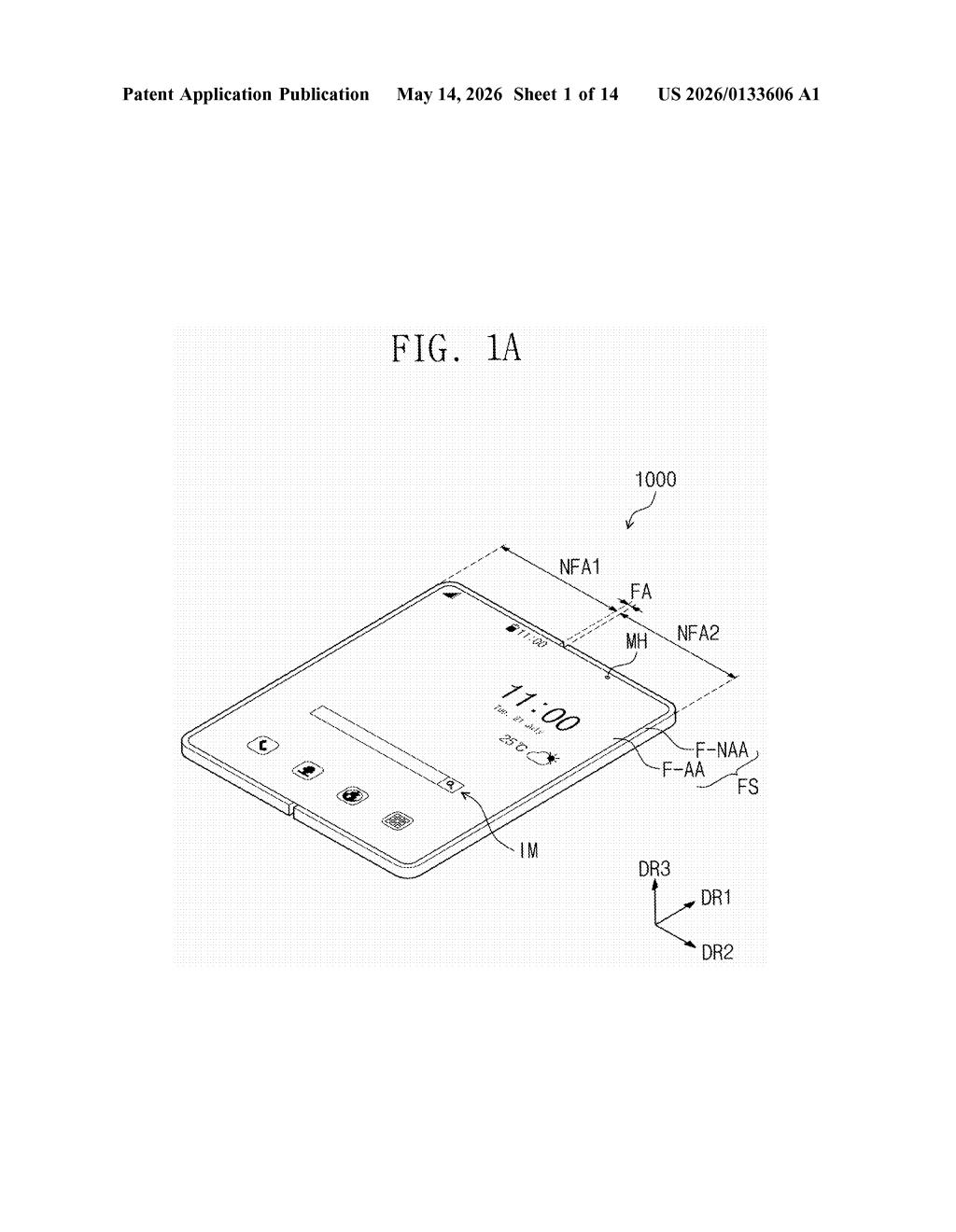
What Samsung's foldable window film stack actually does
Imagine folding a piece of glass in half thousands of times a day. That's essentially what a foldable phone's screen cover has to survive. Regular glass can't do it, so manufacturers use thin plastic-like films instead — but getting the material stiffness just right is surprisingly hard.
Samsung's patent describes a window cover made of two separate films sandwiched together with adhesive layers. The outer film (the one your finger touches) is soft and flexible. The inner film — sitting between the outer layer and the actual display — is noticeably stiffer, but still flexible enough to fold. This combination is meant to give you a surface that resists dents and scratches on top, while absorbing the mechanical stress of folding underneath.
The key numbers are 5 GPa or less for both films (so neither is as rigid as glass) and above 700 MPa for the inner film (so it has enough backbone to protect the OLED panel beneath it). It's a balancing act measured in material science units, but the goal is simple: a foldable screen that feels solid and lasts longer.
How the two-film modulus system handles folding stress
The patent covers a foldable electronic apparatus — almost certainly a smartphone or tablet — where the display cover, called the window member, is engineered as a precise multi-layer stack.
The stack from top to bottom looks like this:
- First film (outermost, user-facing): soft and flexible, modulus of 5 GPa or less
- First adhesive layer: bonded to the rear surface of the first film
- Second film (inner support layer): also ≤5 GPa, but critically above 700 MPa
- Second adhesive layer: bonded directly to the OLED electronic panel below
Modulus (short for Young's modulus) is a measure of how much a material resists deformation — higher means stiffer. Glass sits around 70 GPa, making it far too brittle to fold. Ultra-thin flexible glass or polymer films in foldables hover in the 1–10 GPa range. By capping both films at 5 GPa and requiring the inner film to exceed 700 MPa, Samsung is defining a precise mechanical window where the stack can bend without either snapping or being so floppy that it offers no protection to the display underneath.
The adhesive placement also matters: attaching the first adhesive to the rear surface of the outer film (rather than the front surface of the inner film) is a subtle but deliberate choice that likely affects how stress distributes during a fold.
What this means for the next generation of Galaxy foldables
Foldable display durability is one of the biggest remaining pain points in the category. Current Galaxy Z Fold and Z Flip devices use ultra-thin glass (UTG) covers that are prone to micro-cracks at the fold line over time. A carefully tuned dual polymer-film stack like this could replace or supplement UTG with something more forgiving, potentially improving both the tactile feel of the crease and long-term reliability.
For you as a potential buyer, this kind of engineering work is what eventually shows up as a foldable that doesn't develop a visible crease after six months. It's incremental, materials-level work — but it's exactly the kind of thing that separates a foldable you'd actually trust as a daily driver from one you baby because you're afraid it'll break.
This is quiet, foundational materials engineering — not a flashy feature patent. But Samsung Display's foldable window stack is precisely the kind of detail that separates durable foldables from fragile ones, and the specific modulus thresholds suggest this reflects real manufacturing testing rather than speculative filing. Worth paying attention to if you follow foldable hardware closely.
There are more where this came from
We read every patent application Big Tech publishes and send you the ones worth knowing. Plain English, free, every week.
Want this weekly breakdown for a company we don't cover? Patentlyze Pro →