
Nvidia Patents Remote Control Software for AI Cameras and Smart Sensors
Managing AI hardware installed at a factory floor or a retail store is a support nightmare when the device is locked behind a firewall and you're hundreds of miles away. Nvidia's new patent describes a cloud-based system that punches through that wall safely.
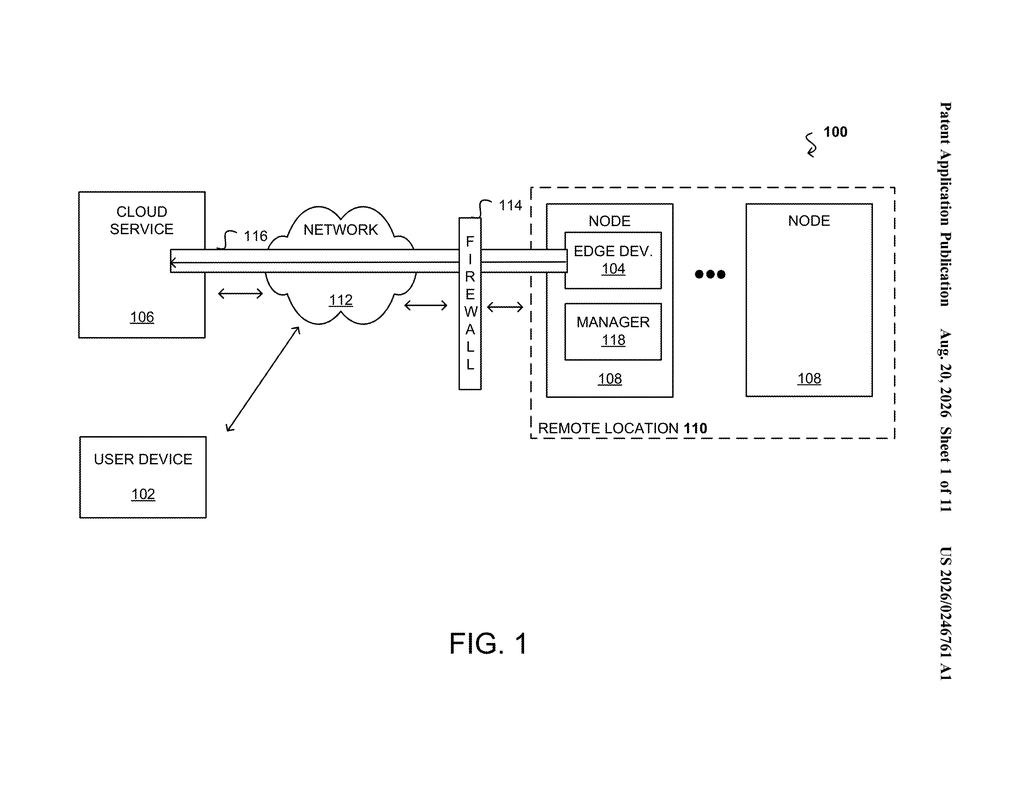
How Nvidia's remote edge device access actually works
Right now, if a company places an AI-powered device at a far-off location, a technician who needs to fix or update it usually has to travel there in person, or set up a complicated private network connection that requires its own separate management. That is slow and costly when you have many devices spread out.
Nvidia's patent describes a way to manage those far-off devices through a shared online service. When an authorized person needs access, the remote device itself reaches out and opens a secure, scrambled connection back to Nvidia's online management system. The IT person on their end connects through that same tunnel without needing to know anything about the device's local network setup.
The result is that your team can troubleshoot an AI device, check what it is doing, update its software, or run tests from anywhere, using a standard web browser, as if the device were sitting right in front of them.
… an authenticated user can initiate a request to establish a remote session to an edge device. A request may be transmitted to create a secure tunnel between the edge device and the cloud-based management plane.
Translation: An approved user can start a remote connection from the cloud to a local smart device.
How the secure tunnel connects cloud to edge device
The patent describes a three-part handshake between a cloud-hosted management plane (a centralized control layer running in the cloud), an edge device (an AI-capable computer installed at a remote site, like a warehouse or hospital), and an authenticated user.
Here's the basic flow:
- An authorized user logs into the cloud platform and requests a remote session with a specific edge device.
- The cloud platform generates a set of credential data (temporary login tokens) and sends them to the edge device.
- The edge device uses those credentials to open a WebSocket tunnel (a persistent, two-way encrypted connection, similar in concept to a secure phone call that stays open) back to the cloud platform.
- The admin's session is then bridged through that tunnel, giving them live access to the device.
Because the edge device initiates the connection outward rather than accepting an inbound connection, the system can work even when the device sits behind a corporate firewall that would normally block outside access. The cloud server acts as the shared meeting point.
The patent covers uses including managing device settings, troubleshooting AI inference workloads (the process by which the device runs a trained AI model on live data), and accessing applications running on the edge hardware.
… cause, by the edge device, a secure tunnel to be established between the edge device and the shared server; and establish, using the secure tunnel, a connection between the shared server and the edge device using the credential data.
Translation: The local device builds a safe digital pathway back to the central server using login keys.
What this means for IT teams running edge AI at scale
For any company deploying AI hardware at dozens or hundreds of physical locations, remote access that doesn't require a separate VPN per site could meaningfully cut support costs and response times. An IT admin who today might wait for an on-site visit to diagnose a misbehaving AI camera or sensor array could instead open a browser tab and be inside the device in minutes.
The approach also matters for Nvidia's platform strategy. The company sells edge AI hardware through its Jetson product line, and a managed cloud access layer would tie those devices more tightly to Nvidia's own software ecosystem. Edge computing and cloud AI management are areas seeing a steady flow of new Big Tech patents as companies race to own the infrastructure layer that sits between the data center and the physical world.
Nvidia's 401st filing we've tracked in our Nvidia coverage since May follows work on a universal robot brain and smoother video frames.
The problem this patent solves is real and expensive. Managing AI hardware spread across many locations is genuinely hard, and patchy private-network setups create security holes that get worse the bigger your operation grows.
Nvidia's fix, having each device reach out to a central server rather than waiting to be contacted, is a well-known trick in corporate IT. Nvidia did not invent it.
The patent's true purpose is not a technical breakthrough. It is Nvidia locking in ownership of the software layer that controls its own hardware.
Get our take in your Top Stories
Liked this breakdown? Add Patentlyze as a preferred source on Google, and our plain-English take shows up more often in your Top Stories the next time Nvidia patent news breaks.
There are more where this came from
We read every patent application Big Tech publishes and send you the ones worth knowing. Plain English, free, every week.
The drawings
11 drawing sheets from US 2026/0246761 A1 · click any drawing to enlarge


Show the other 3 sheets


Want this weekly breakdown for a company we don't cover? Patentlyze Pro →
Be the first to weigh in