
Samsung Patents an On-Device AI That Picks the Right Power-Saving Mode for You
Your phone already has power-saving modes. Samsung's new patent wants your phone to decide, on its own, which one to switch on and when, without ever sending your data to a server.
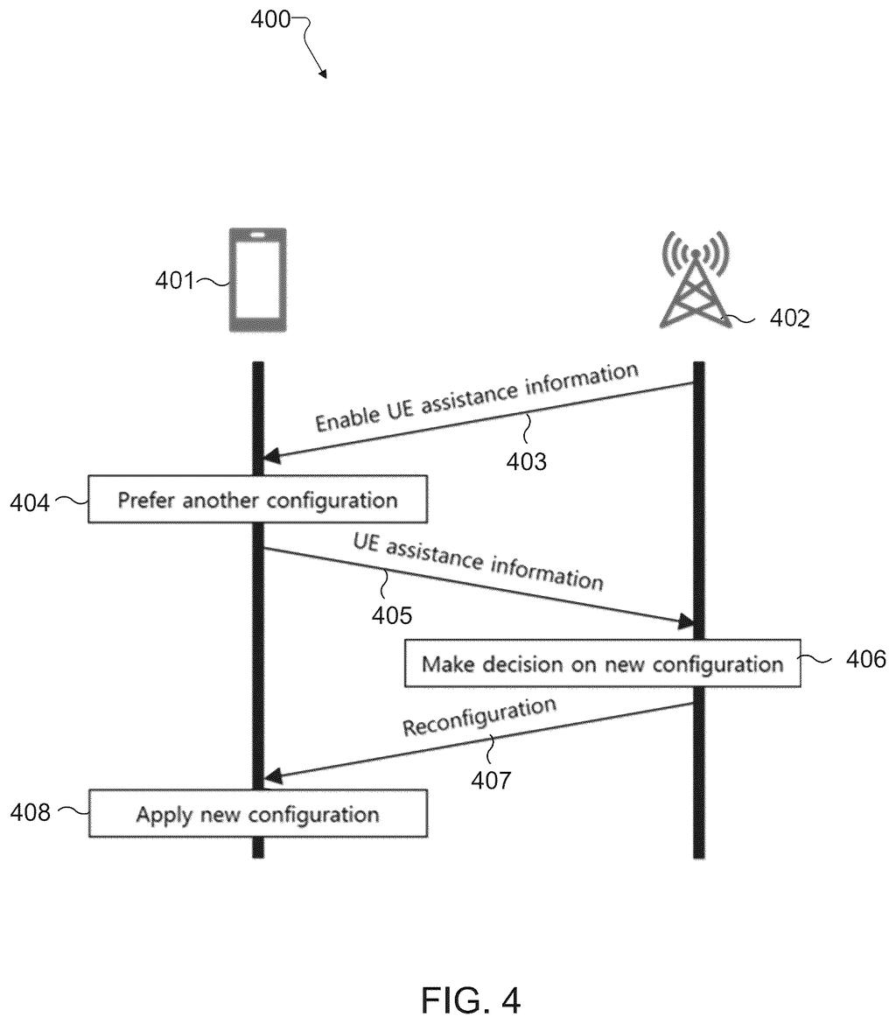
How Samsung's self-learning power saver actually works
A security camera stares at an empty hallway all night, burning power to process footage of nothing. Your phone does something similar: it blasts through battery at a fixed rate, even when a smarter approach could coast. That gap is what Samsung is trying to close.
The patent describes a system that runs a small AI model directly on your device. When something happens (you open an app, your signal drops, you stop moving), the AI reads that event and chooses the most appropriate power-saving setting for that exact moment. No one-size-fits-all mode, no manual fiddling.
What makes it a step beyond existing battery modes is the feedback loop. The system keeps watching after it picks a setting, looking for any sign that quality is slipping, say your video call getting choppy or your download stalling. If things degrade, it can course-correct. The whole process stays on your device, which means your usage patterns never leave your phone.
determining, by a first electronic device, whether at least one power saving mode is identified for application based on a detection of a trigger event using an on-device learning component of the first electronic device, the on-device learning component configured to select a power saving mode based on information associated with the trigger event …
Translation: The phone uses its own internal AI to decide which battery saving settings to turn on when it detects a specific situation.
How the on-device model picks and watches each power mode
The patent describes a three-step process running entirely on the device, with no cloud connection required.
- Trigger detection: The device watches for specific events, things like a sudden change in network conditions, a shift in app activity, or a location change. These events signal that the power situation has changed and a decision is needed.
- Mode selection via on-device learning: An AI model (trained to associate trigger types with the best power-saving responses) picks from a set of power-saving modes. Because the model runs locally, it can be personalized to your habits over time without uploading anything.
- Degradation monitoring: After a mode is applied, the device keeps measuring whether the chosen setting is actually causing problems. If performance drops below an acceptable threshold, the system can flag or reverse the decision.
The claim language is broad enough to cover wireless communication functions specifically, which points toward radio and modem power management, one of the largest battery drains on a modern phone. Keeping a 5G modem at full power when you are sitting still on Wi-Fi, for example, wastes significant energy, and this kind of adaptive logic could address exactly that.
The method additionally includes monitoring, by the first electronic device, for degradation associated with the applied at least one power saving mode during the trigger event.
Translation: The device constantly checks to see if the power saving settings are making the phone perform poorly.
What this means for Galaxy battery life and AI chips
Battery life is consistently the top complaint from smartphone buyers, and most software fixes so far have been blunt instruments: slash performance, dim the screen, cut background apps. A system that picks surgical, context-aware cuts while watching for quality problems would feel less like a tradeoff and more like the phone just getting out of its own way.
The on-device angle also matters for a different reason. Training and running the AI locally means Samsung can tune these models to your specific usage without the privacy exposure of uploading behavioral data. That positions this as both a battery feature and a data-handling story, two areas Samsung has been emphasizing in its Galaxy marketing. Power-management AI is one of the quieter but more competitive fronts among chipmakers and phone vendors right now, and you can track how Samsung's approach fits alongside the latest Big Tech patents in the chip and mobile efficiency space.
This is the 18th Samsung filing we've tracked since June in our on-device AI privacy watch, following applications on 5G shared AI training and randomly scrambling data before encrypting.
Samsung's phones already contain the specialized processors this idea requires, so the company would not need to build new hardware to act on it. That removes one of the biggest barriers between a patent and a real product.
What the document does not spell out is how the learning system gets taught, what guardrails prevent it from making poor tradeoffs, and how it recovers when something unexpected happens. Those are real engineering problems that take time to solve.
The clearest route to shipping something is probably a narrow one, focused on a single familiar situation like saving battery during a long commute, rather than building a system that handles everything at once. That kind of focused start is also how most useful phone features actually make it into people's hands.
Get our take in your Top Stories
Liked this breakdown? Add Patentlyze as a preferred source on Google, and our plain-English take shows up more often in your Top Stories the next time Samsung patent news breaks.
There are more where this came from
We read every patent application Big Tech publishes and send you the ones worth knowing. Plain English, free, every week.
The drawings
20 drawing sheets from US 2026/0255271 A1 · click any drawing to enlarge


Want this weekly breakdown for a company we don't cover? Patentlyze Pro →
Be the first to weigh in