
Apple Patents Virtual Environments That Simulate Real Presentation Venues
Apple is patenting a way to wrap your presentation software in a virtual room that looks like a real-world venue, so the person running the slides feels like they're standing on a stage, not staring at a laptop.
What Apple's virtual presentation rooms actually do
A presenter clicks through slides in a bare home office while their audience sees a polished conference room backdrop. That gap between how a presentation feels to give and how it looks to receive is exactly what this patent tries to close, but from the presenter's side.
Apple's filing describes software that wraps a presentation app in a virtual environment, a simulated real-world setting chosen by the person giving the talk. Instead of seeing your desktop wallpaper while you present, you'd see a rendered room around your slides, something closer to actually standing at a podium.
The idea is to make the experience of delivering a presentation feel more deliberate and focused, not just for the audience watching, but for you as the speaker. Think of it as setting the scene for yourself, not just your viewers.
… the computer system displays a virtual environment selected by a user of the computer system that simulates a real-world setting in which a presentation would be delivered in.
Translation: The software lets you choose a digital backdrop that looks like a physical room where you would normally give a speech.
How the system picks and renders a simulated venue
The patent covers a computer system that, while running a presentation application, displays a virtual environment around the slides and presenter interface. That environment is designed to simulate a physical setting where a talk would normally happen, think a lecture hall, a conference room, or a stage.
The user picks which virtual environment they want before or during the presentation. The system then renders that setting as the visual context surrounding the presentation controls, rather than showing the usual desktop or application window frame.
- The presenter sees a simulated venue instead of a plain screen
- The environment is tied to the presentation app's interface, not just a background image
- Users can select from different real-world-inspired settings
The claim language is broad, covering graphical user interfaces (the visual controls the presenter interacts with) displayed within these environments, and the methods by which a device selects and presents them. The filing emphasizes both the display logic and the user interaction model for choosing a scene.
What this means for remote presenting and Keynote
For anyone who has felt the psychological flatness of clicking through slides in a tiny window on a cluttered desktop, this filing points at something real. A presenter's mental state affects their delivery, and software that places you inside a convincing venue rather than a floating toolbar could genuinely change how confident and focused a speaker feels, especially for remote or recorded presentations.
The filing fits naturally alongside Apple's existing presentation tools in Keynote and its broader push into spatial computing with Apple Vision Pro, where virtual environments are already a core interface concept. Apple's presentation-software ambitions are one thread in the newest Big Tech patents covering how companies are rethinking what a working environment looks like when the screen itself becomes the room.
This is the 37th Apple filing we've tracked on our AR glasses watchlist since May, building on how taps are recognized and content sharing in 3D.
Wrapping a presentation app in a virtual venue means the software has to manage two things at once: the slides themselves and a convincing visual backdrop. That split attention has a real cost in processing power, and if the environment ever lags or glitches, it undermines the calm focus it was supposed to create.
The bigger gamble is whether a virtual room actually helps a presenter or just adds one more thing to notice. A poorly chosen backdrop could pull a speaker's eye away from their own content, which is the opposite of the point.
Apple is betting that the person giving the presentation deserves a considered experience, not just the audience. That bet reads as worth it if the environments stay simple and stable, and falls apart if they try to do too much.
Get our take in your Top Stories
Liked this breakdown? Add Patentlyze as a preferred source on Google, and our plain-English take shows up more often in your Top Stories the next time Apple patent news breaks.
There are more where this came from
We read every patent application Big Tech publishes and send you the ones worth knowing. Plain English, free, every week.
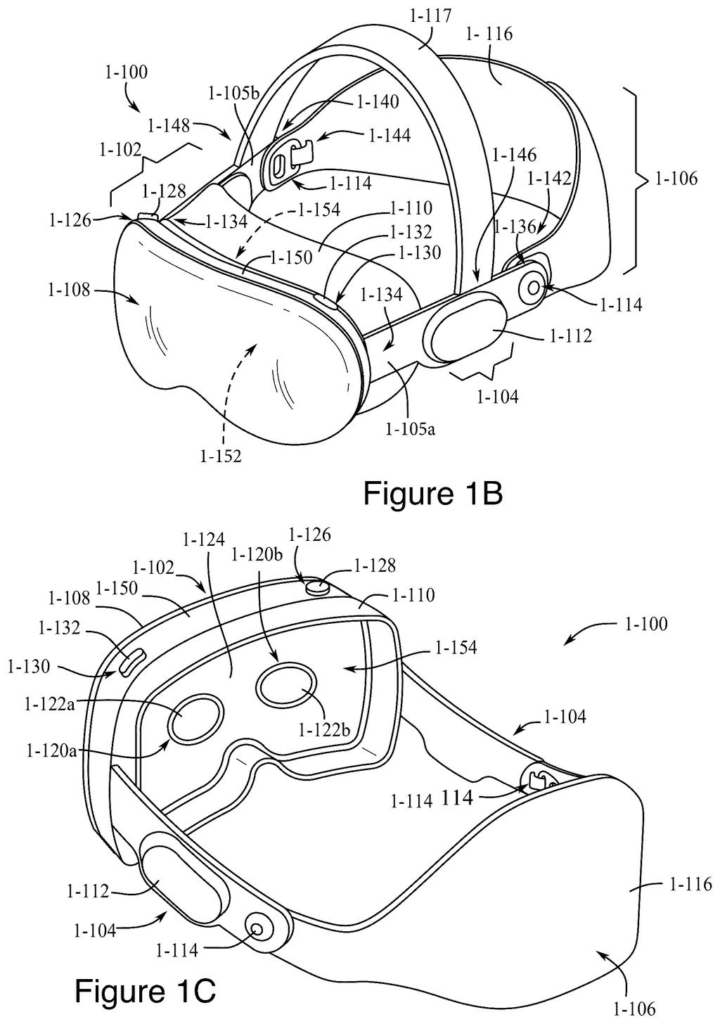
The drawings
38 drawing sheets from US 2026/0252170 A1 · click any drawing to enlarge


Want this weekly breakdown for a company we don't cover? Patentlyze Pro →
Be the first to weigh in