
Apple Patents a Context-Sensitive UI That Shows Different Controls Per Screen Region
Imagine pointing at different corners of a screen and getting completely different sets of controls — one for the lights in the room you're facing, another for the TV behind you. That's the core idea Apple is patenting here.
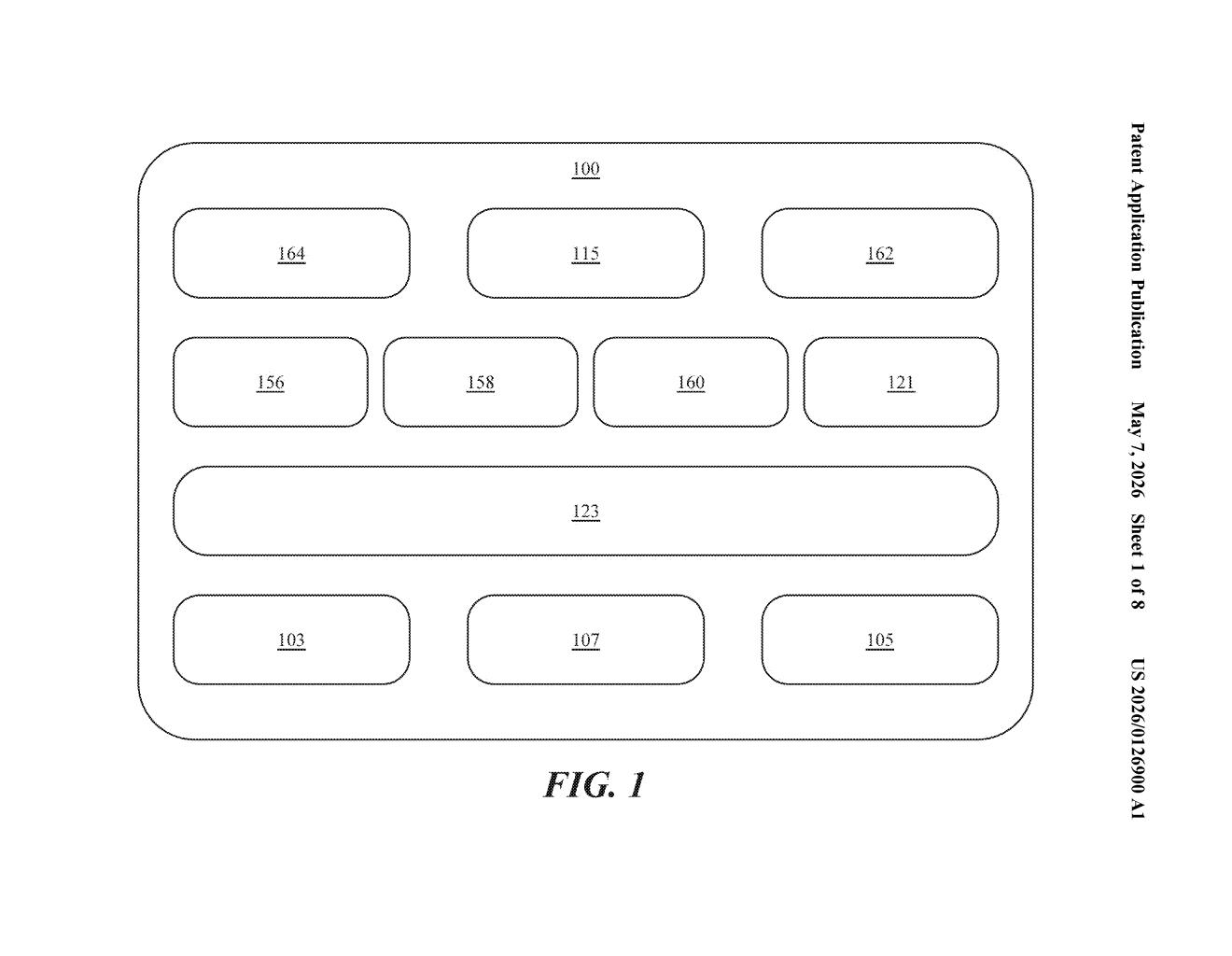
What Apple's region-aware control interface actually does
Picture a large display — maybe a smart home hub or a future Apple TV interface — divided into zones. On the left side is your living room view, and on the right is your kitchen. Apple's patent describes a system where, depending on which part of that screen you're interacting with, a completely different set of controls appears.
If you tap or point at the left side, you get controls for living room devices — say, dimming those lights or adjusting the thermostat for that space. Interact with the right side, and the controls swap out for kitchen appliances. The display never shows both sets at once — it keeps things clean and contextually relevant.
This sounds simple, but it's a meaningful UX shift away from the current Home app model where everything is listed in one big panel. The system detects your intent based on where your attention or input is directed, then surfaces only what's relevant to that region.
How Apple's system maps screen zones to device controls
The patent describes a region-aware control system where a display is divided into at least two distinct portions, each mapped to a different physical region or device group. When the system detects that a user's intent — via touch, pointer, gaze, or another input — is directed at a specific screen portion, it dynamically surfaces the controls relevant to that region only.
The key mechanic is mutual exclusivity: showing the first set of controls explicitly excludes the second set, and vice versa. This isn't just about layout — it's a deliberate UX choice to reduce cognitive load by presenting only contextually appropriate options.
The claim references:
- A first device associated with a first region (but not the second)
- A second device associated with the second region (but not the first)
- An intent detection mechanism that determines which portion of the display the user is targeting
The intent detection piece is deliberately broad in the claim language — it could cover touch input, cursor position, gaze tracking, or even a spatial pointing gesture. This is a continuation patent (it continues from US patent 12,547,307), suggesting Apple has been iterating on this interaction model for at least a couple of years.
What this means for Apple's smart home and multi-display ambitions
For Apple's Home app and any future home-control hardware (think a wall-mounted display or an enhanced Apple TV UI), this kind of spatial UI logic would be genuinely useful. Right now, controlling multiple rooms from a single screen means scrolling through lists or switching tabs. A system that automatically scopes controls to wherever you're looking or pointing would feel much more intuitive.
It also fits neatly into Apple's broader push toward spatial computing — the same principles that make Vision Pro feel natural (where you look is what you interact with) could extend down to simpler, cheaper displays. If Apple ever ships a dedicated smart home display, this patent gives a peek at how the UI might behave.
This is a polished, incremental UX patent — not a moonshot, but not throwaway either. Apple is clearly thinking carefully about how to make multi-room, multi-device control feel less like navigating a spreadsheet and more like interacting with a physical space. The continuation status tells you this is an actively developed idea, not a defensive filing.
There are more where this came from
We read every patent application Big Tech publishes and send you the ones worth knowing. Plain English, free, every week.
Want this weekly breakdown for a company we don't cover? Patentlyze Pro →