
Google Patents a Haptic System That Sends a Test Buzz Before the Real One
Before your device vibrates to notify you, what if it quietly tested whether that vibration would even work properly — and then adjusted accordingly? That's exactly what Google is patenting.
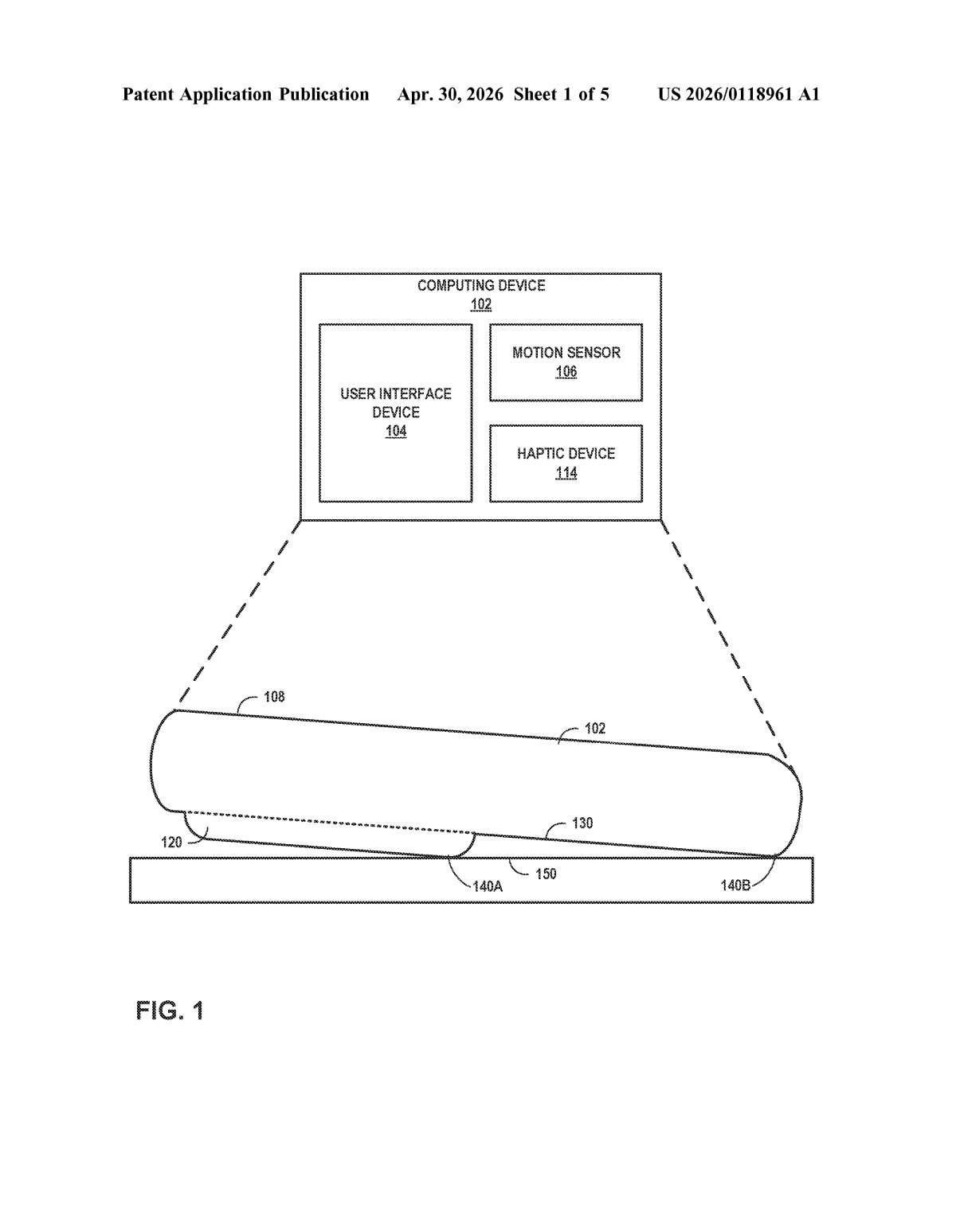
What Google's pre-buzz haptic detection actually does
Imagine your phone is sitting on a wooden desk, or your smartwatch is resting on a hard surface. When it vibrates for a notification, the buzz can sound rattly, muffled, or just plain wrong — sometimes so loud it's embarrassing, sometimes so dampened you barely feel it.
Google's patent describes a system that fires a tiny, imperceptible test vibration just before the real one. The device then uses its motion sensors to measure how that test buzz behaved — did it rattle? Was it absorbed? Was the device sitting still or being held? Based on that reading, it decides whether the environment is bad for haptics.
If the test says conditions are poor, the device swaps in an alternative haptic signal — something that works better given the circumstances. Think of it as your device doing a quick sound-check before the concert starts.
How the precursor signal detects an adverse haptic environment
The system works in four steps, which the patent lays out explicitly:
- Precursor haptic signal: The device triggers a short, low-intensity vibration — essentially a probe pulse — before the intended notification vibration fires.
- Motion signal measurement: Onboard sensors (likely accelerometers or gyroscopes) capture the device's physical response to that probe pulse. The motion signal reflects how the device moved, rattled, or stayed still during the test buzz.
- Adverse environment detection: The processor analyzes that motion signal to determine if the device is in an adverse haptic environment — a condition where the intended vibration pattern would be ineffective, too loud, or otherwise degraded. Hard surfaces, loose placement, or being gripped tightly could all qualify.
- Alternative signal substitution: If an adverse environment is detected, the device outputs a different haptic signal instead of the original one — tuned to the actual physical conditions.
The key insight here is closed-loop haptic feedback (using sensor data to adjust output in real time), applied specifically to the environmental context rather than just the user's preference. The precursor signal is the clever bit — it gives the system real-world data about the current physical situation milliseconds before it matters.
What this means for wearables and haptic notification design
Haptics are quietly becoming a big deal in wearables, AR glasses, and health devices — contexts where a vibration that's too harsh or too subtle can mean a missed alert or an annoyed user. Google's Pixel Watch and Android ecosystem already lean heavily on haptic notifications, and this kind of adaptive system could make those alerts meaningfully smarter.
For you as a user, the upshot is a device that stops being a one-size-fits-all buzzer and starts responding to its environment the way a good speaker adjusts to room acoustics. It also hints at how wearable health sensors — which depend on reliable haptic alerts — might become more robust without requiring you to change any settings.
This is a genuinely clever idea executed at a low level of complexity — a tiny probe pulse plus a sensor read is a lightweight solution to a real and underappreciated problem. It's not glamorous, but anyone who's had their smartwatch buzz like a jackhammer on a glass table knows exactly why this matters. Google is smart to patent it now as haptics become central to wearables and AR.
There are more where this came from
We read every patent application Big Tech publishes and send you the ones worth knowing. Plain English, free, every week.
Want this weekly breakdown for a company we don't cover? Patentlyze Pro →