
Qualcomm Patents a Way to Stop Wipers from Confusing Your Car's Cameras
Every time a windshield wiper sweeps across a dashcam's field of view, the image briefly flickers — and that flicker can confuse the AI systems keeping your car in its lane. Qualcomm has filed a patent for a smarter camera pipeline that detects wiper blades in real time and adjusts image processing accordingly.
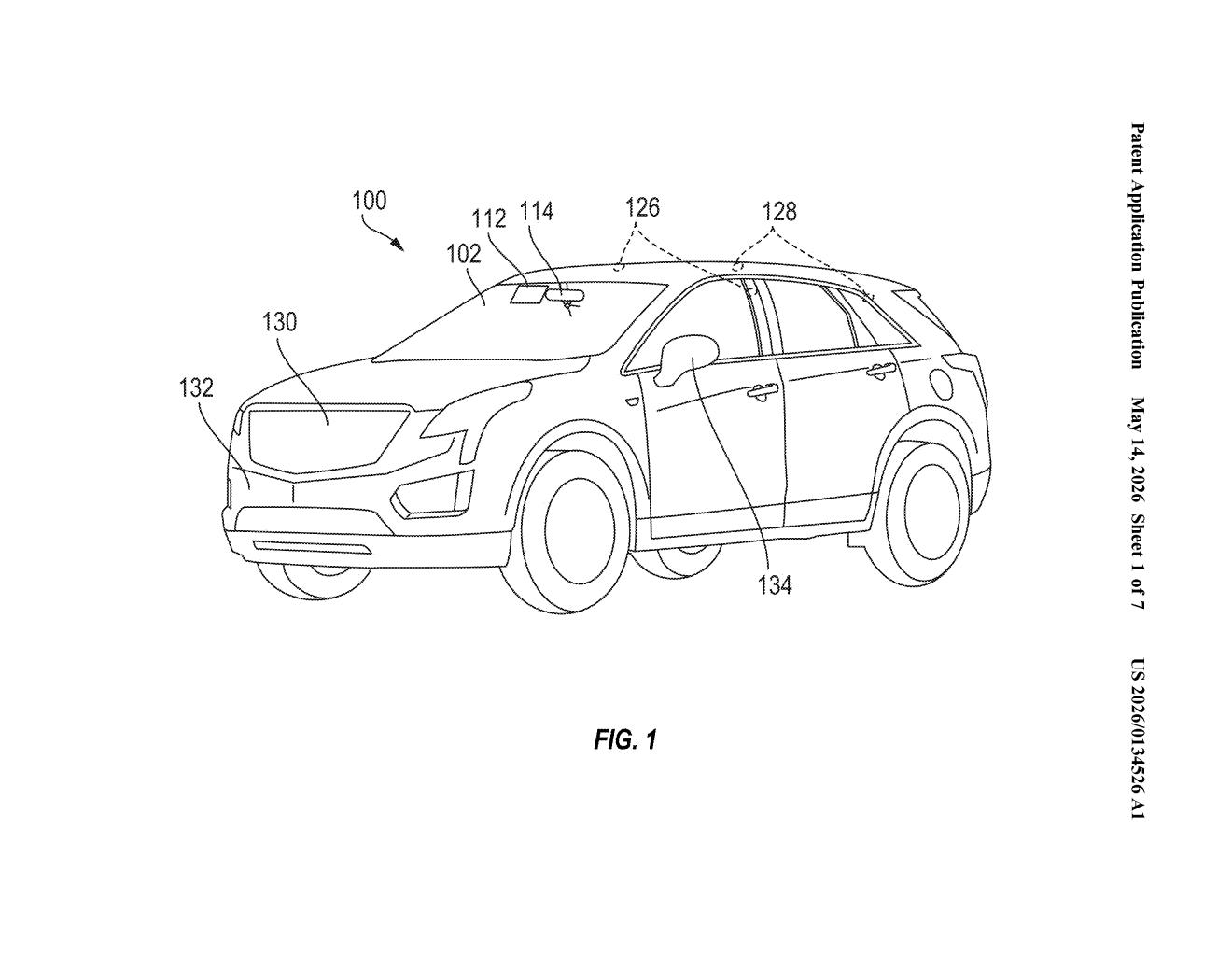
What Qualcomm's wiper-aware camera system actually does
Imagine you're driving in a rainstorm and your car's camera-based safety system — the one that watches for pedestrians or reads lane markings — suddenly gets confused because the windshield wiper keeps interrupting its view. That's a real problem for modern driver-assistance systems, and it's surprisingly tricky to solve.
Qualcomm's patent describes a system that watches incoming camera frames and assigns a probability score to each one: how likely is it that a wiper blade is currently crossing the image? That score then controls a time filter — essentially a smoothing algorithm — that adjusts how the camera maps brightness and contrast before passing the image downstream to the vehicle's AI.
The result is that wiper-obscured frames get handled differently than clean frames, so the pipeline doesn't overreact to the sudden light change a wiper blade causes. It's a focused, practical fix for a specific annoyance in automotive imaging.
How the probability score drives the tone-mapping filter
The system works in two conceptual stages: wiper detection and tone mapping control.
In the first stage, the camera captures an image frame and a machine learning model evaluates it to produce a probability value — a number expressing how confident the system is that a windshield wiper blade appears in that frame. This isn't a binary yes/no; it's a continuous score, which means the system can respond proportionally rather than switching abruptly.
In the second stage, that probability value feeds into a time filter (a filter that considers the history of recent frames, not just the current one) which then governs tone mapping — the process of converting raw high-dynamic-range sensor data into a well-exposed output image suitable for display or downstream AI processing. When wiper probability is high, the filter is tuned to be more conservative, avoiding the sharp brightness adjustments that a wiper sweep would otherwise trigger.
The output image — the one actually used by the vehicle assistance system — comes from tone-mapping a second frame (potentially the next or a reference frame) using the filter derived from the first. This separation gives the pipeline a moment of temporal context to make smarter decisions:
- Detect wiper presence in frame N
- Compute an appropriate time filter
- Apply that filter when processing frame N+1 (or an adjacent frame)
What this means for safer ADAS cameras in bad weather
Driver-assistance cameras operate in some of the worst imaging conditions imaginable — glare, rain, sudden darkness in tunnels — and tone mapping is one of the main tools that keeps images usable across that range. The problem is that aggressive tone mapping can be destabilized by a repeating, high-contrast object like a wiper blade sweeping the frame several times per second. If the camera's brightness algorithm chases every wiper pass, the video feed becomes unstable and downstream object-detection models suffer.
Qualcomm supplies the camera ISP (image signal processor) chips that sit at the heart of many automotive camera systems, so this kind of low-level imaging fix is squarely in their product lane. A more stable image pipeline in rain means your car's lane-keeping or emergency braking system gets cleaner data when road conditions are already dangerous — which is exactly when you need it most.
This is a narrow but genuinely useful engineering fix. Wiper interference is an underappreciated failure mode in ADAS cameras, and using a soft probability score rather than a hard wiper-present/absent toggle is the right design call. It won't make headlines at a car show, but it's the kind of detail that separates a robust automotive camera system from one that gets confused in a Seattle drizzle.
There are more where this came from
We read every patent application Big Tech publishes and send you the ones worth knowing. Plain English, free, every week.
Want this weekly breakdown for a company we don't cover? Patentlyze Pro →