
Apple Patents a System That Flags Bad Photos on One Device and Alerts Another
Your phone thinks your photo isn't good enough, so it silently tells your watch or tablet to step in. That's the core idea behind a newly published Apple patent on multi-device image quality detection.
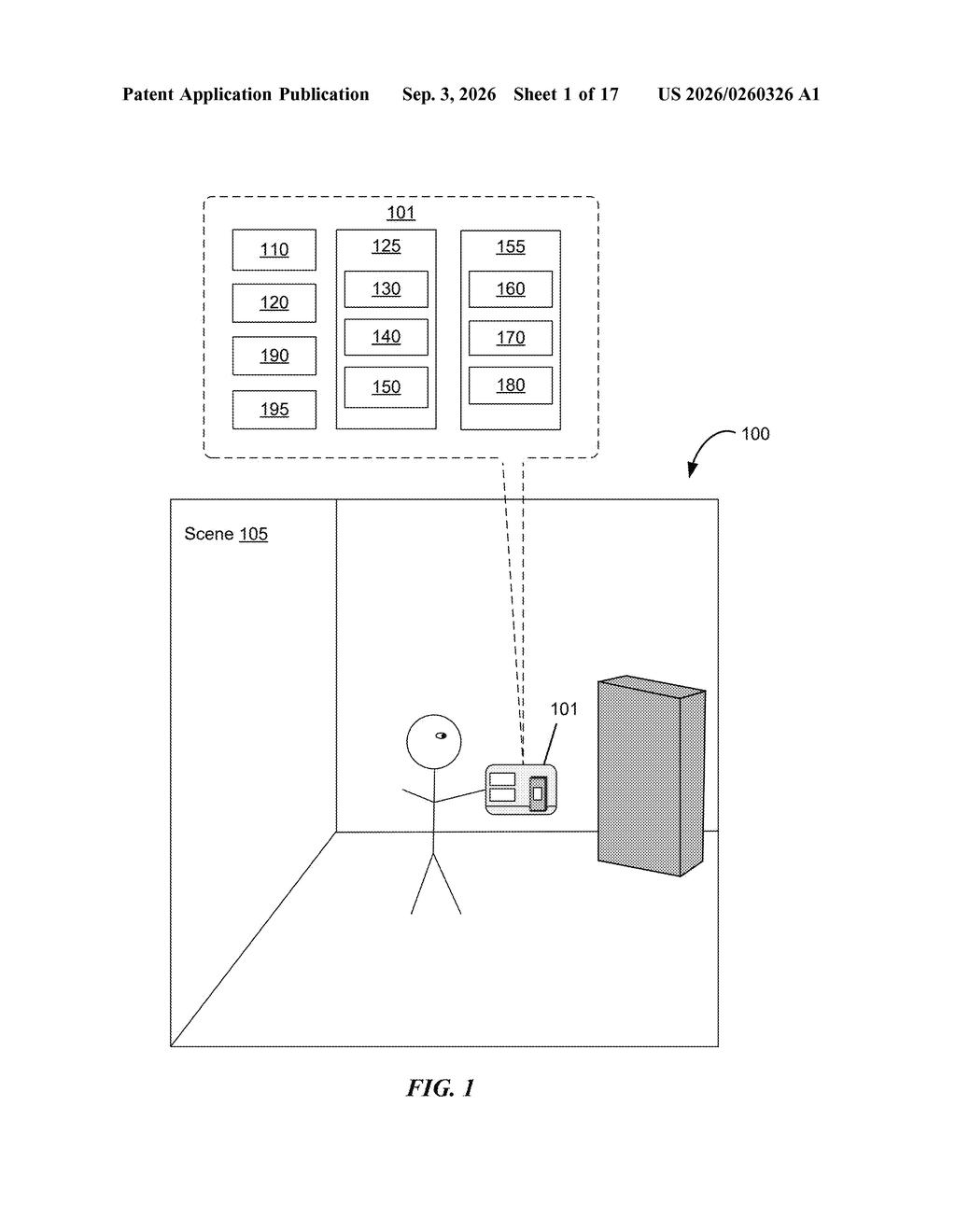
What Apple's cross-device photo quality check actually does
You're trying to capture a moment on your iPhone, but the shot is blurry, too dark, or otherwise off. Most of the time, you don't find out until later, when the photo is already taken and the moment is gone.
Apple's patent describes a system where the device holding your camera runs an automatic quality check on incoming images. If those images don't meet a set standard, the system can display a warning or prompt on a different device, not the one doing the capturing. So your Apple Watch, iPad, or MacBook could show you a nudge like "move closer" or "better lighting needed" while you're still setting up the shot.
The key idea is spreading awareness across a group of connected devices. One gadget does the work of evaluating the image; another handles the job of telling you what to fix. That kind of split-task approach is already common in Apple's ecosystem, and this patent extends it into photography.
… cause a prompt to be displayed on a device other than the device that obtained the input images …
Translation: Your phone or computer will pop up a warning if a picture you just took is bad.
How the quality check triggers a prompt on a second device
The patent describes a multi-device pipeline for image quality evaluation. One device, typically the one with the camera, captures what the patent calls "input images." Those images are then checked against a quality criterion, which could cover things like sharpness, exposure, focus, or other measurable properties.
If the images pass the check, nothing unusual happens. If they fail, the system triggers a prompt on a separate device in the same network or session. That second device is explicitly described as something other than the one that captured the images.
- The capturing device evaluates incoming frames against defined quality thresholds.
- When a frame falls short, a signal is sent to a paired device.
- The paired device displays a user-facing prompt describing the problem or suggesting a fix.
The split between "device that captures" and "device that notifies" is the structural heart of the patent. It assumes a multi-device environment where devices can pass signals to each other in near-real time, which fits naturally with how Apple's Continuity and Handoff features already work across iPhone, iPad, Mac, and Apple Watch.
What this means for shooting photos across Apple devices
For everyday photography, this addresses a genuine pain point: feedback usually arrives too late. By the time you review your shots, the moment is gone. A system that flags quality issues in real time, on whichever screen is most visible to you, could meaningfully reduce the number of ruined photos.
For Apple's ecosystem strategy, the patent reinforces the idea that Apple's push to make its devices work as a unified system is now reaching into camera workflows. If a future feature ships along these lines, it could become a selling point for owning multiple Apple devices: the more gadgets you have connected, the better your photography feedback loop becomes.
That makes this Apple's 18th filing we've tracked since May on device-to-device handoff, building on earlier work like moving phone plans between devices and moving digital IDs between devices.
From a shipping standpoint, this patent is mostly software. There's no exotic new sensor or custom chip described, just logic that evaluates image frames and passes a signal across devices. Apple's ecosystem already has the plumbing for this: Continuity Camera, AirDrop, and Handoff all rely on the same kind of low-latency device-to-device communication.
The shortest route to a product here is probably an enhancement to an existing camera mode, like Continuity Camera on Mac or a future paired-device shooting mode. The quality-check logic itself is the open question: the patent doesn't specify how the quality criterion is defined or measured, which is where most of the real engineering work lives.
This is a functional, practical idea, but it's narrow. It won't reshape what a camera does; it just adds a feedback layer across screens. Useful, incremental, and entirely plausible as a minor feature in a future iOS or macOS release.
Get our take in your Top Stories
Liked this breakdown? Add Patentlyze as a preferred source on Google, and our plain-English take shows up more often in your Top Stories the next time Apple patent news breaks.
There are more where this came from
We read every patent application Big Tech publishes and send you the ones worth knowing. Plain English, free, every week.
The drawings
17 drawing sheets from US 2026/0260326 A1 · click any drawing to enlarge


Show the other 9 sheets


Want this weekly breakdown for a company we don't cover? Patentlyze Pro →
Be the first to weigh in