
Google Patents a Time-Multiplexed Display That Shifts Pixels to Boost Resolution
Google has patented a clever optical trick: instead of cramming more pixels onto a display panel, it rapidly tilts the angle of outgoing light between subframes so your eye perceives a sharper image than the hardware alone could produce.
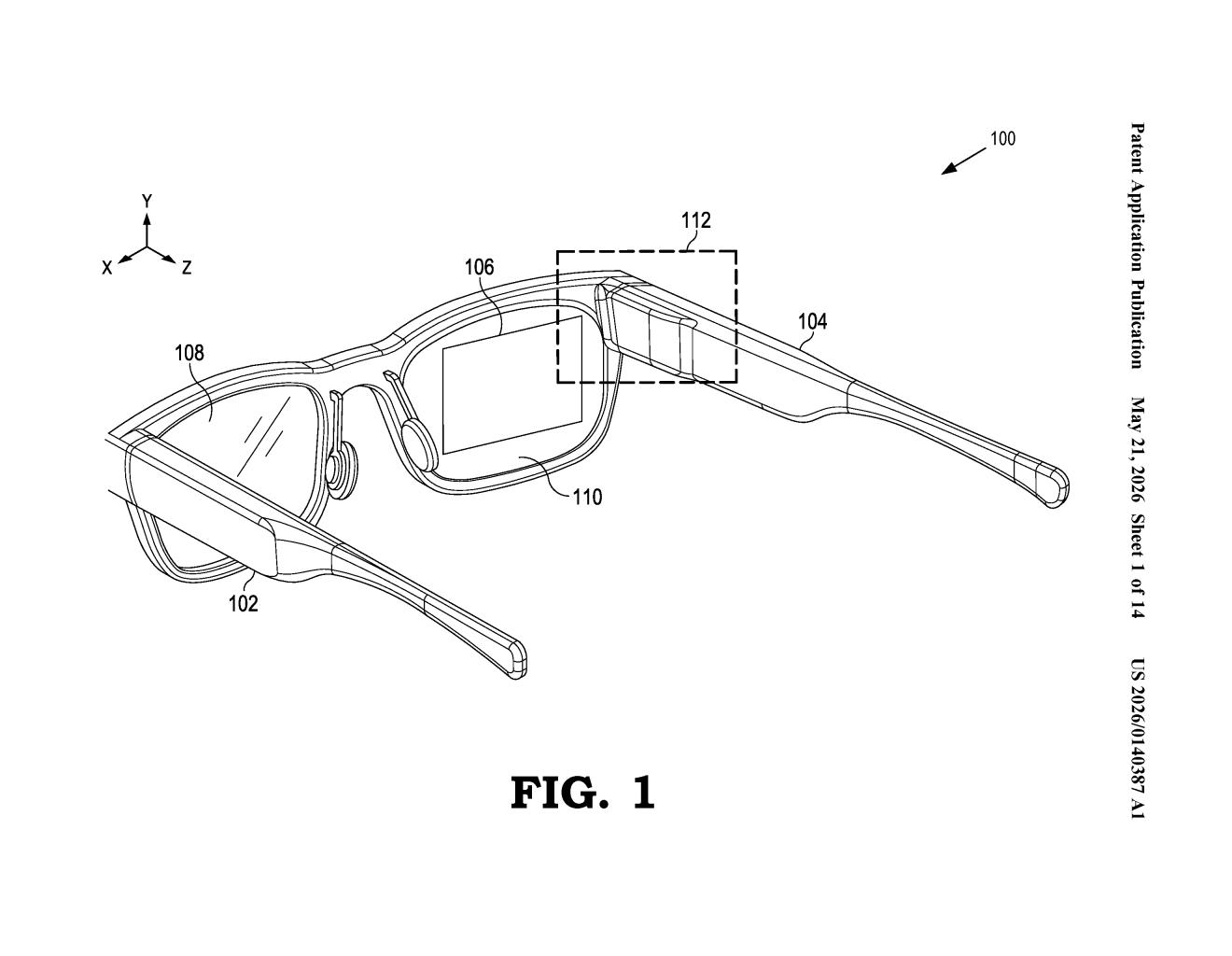
What Google's angular pixel-shifting display actually does
Imagine watching a video on a screen where every single pixel is slightly blurry or in the wrong place. Now imagine the screen could subtly shift every dot of light dozens of times per second — so fast your eyes blend the shifted versions together into something that looks much crisper. That's the core idea here.
Google's patent describes a component called a pixel shifter that sits in the light path of a display and rapidly redirects incoming light to slightly different angles in rapid succession. Each 'subframe' within a single image frame gets a different angle, and your visual system merges them into what feels like higher resolution.
The system is also designed to hide physical defects in the display panel itself — if a tiny region of the screen is broken or uneven, strategically shifting the light around it can make the flaw effectively invisible to the viewer.
How the pixel shifter steers light between subframes
The patent describes an optical apparatus built around two key components: a pixel shifter and a controller.
The pixel shifter receives light coming from a display's pixels and bends or redirects that light to one of several preset angles. It doesn't move pixels physically — it changes the angular direction of the light rays. A controller sends a timed signal telling the pixel shifter which angle to use during each subframe (a fraction of a full image frame, similar to how a high-refresh-rate display breaks one frame into rapid slices).
The patent also describes integration with a waveguide — a flat optical slab common in AR headsets that traps light and guides it toward the viewer's eye — and a diffractive optical structure (a surface with microscopic gratings that bends light to make it exit the waveguide at the right angle for the eye). The pixel shifter sits upstream, feeding the waveguide.
- Resolution enhancement: by slightly offsetting the image angle between subframes, the perceived pixel density increases without adding hardware pixels
- Defect mitigation: shifting light around a damaged or non-uniform area of the panel can mask local flaws
- Time-multiplexed control: the controller synchronizes angle changes with the display's refresh timing, so transitions are imperceptible
What this means for AR glasses and waveguide displays
Waveguide-based AR displays — the kind used in devices like Google Glass or competing headsets — are notoriously hard to build with high pixel density. The optics impose tight physical constraints, so perceived sharpness has always lagged behind flat-panel phones and monitors. A time-multiplexed angular shifter is a software-addressable optical trick that could squeeze significantly more perceived resolution out of a fixed hardware panel, without redesigning the underlying microdisplay.
The defect-masking angle is also quietly significant. Display panels for AR optics are small, exotic, and expensive — if a single bad pixel cluster can be hidden in software rather than requiring a panel replacement, manufacturing yields improve and costs drop. That's a practical engineering win that could matter a lot in production-scale AR hardware.
This is a genuinely useful optical engineering patent, not a speculative moonshot. The time-multiplexed pixel-shifting approach is a known technique in projector systems, but applying it inside a waveguide AR pipeline — with tight subframe synchronization and defect-hiding as a first-class feature — is a meaningful extension. If Google is serious about a next-generation AR wearable, patents like this are exactly the kind of foundational display plumbing you'd expect to see filed a year or two before hardware ships.
There are more where this came from
We read every patent application Big Tech publishes and send you the ones worth knowing. Plain English, free, every week.
Want this weekly breakdown for a company we don't cover? Patentlyze Pro →