
Apple Patents a Two-Hand Gesture System for Augmented Reality
One hand alone does nothing. Both hands together trigger the action. Apple is patenting an AR control system where what your hands do together matters as much as what each hand does individually.
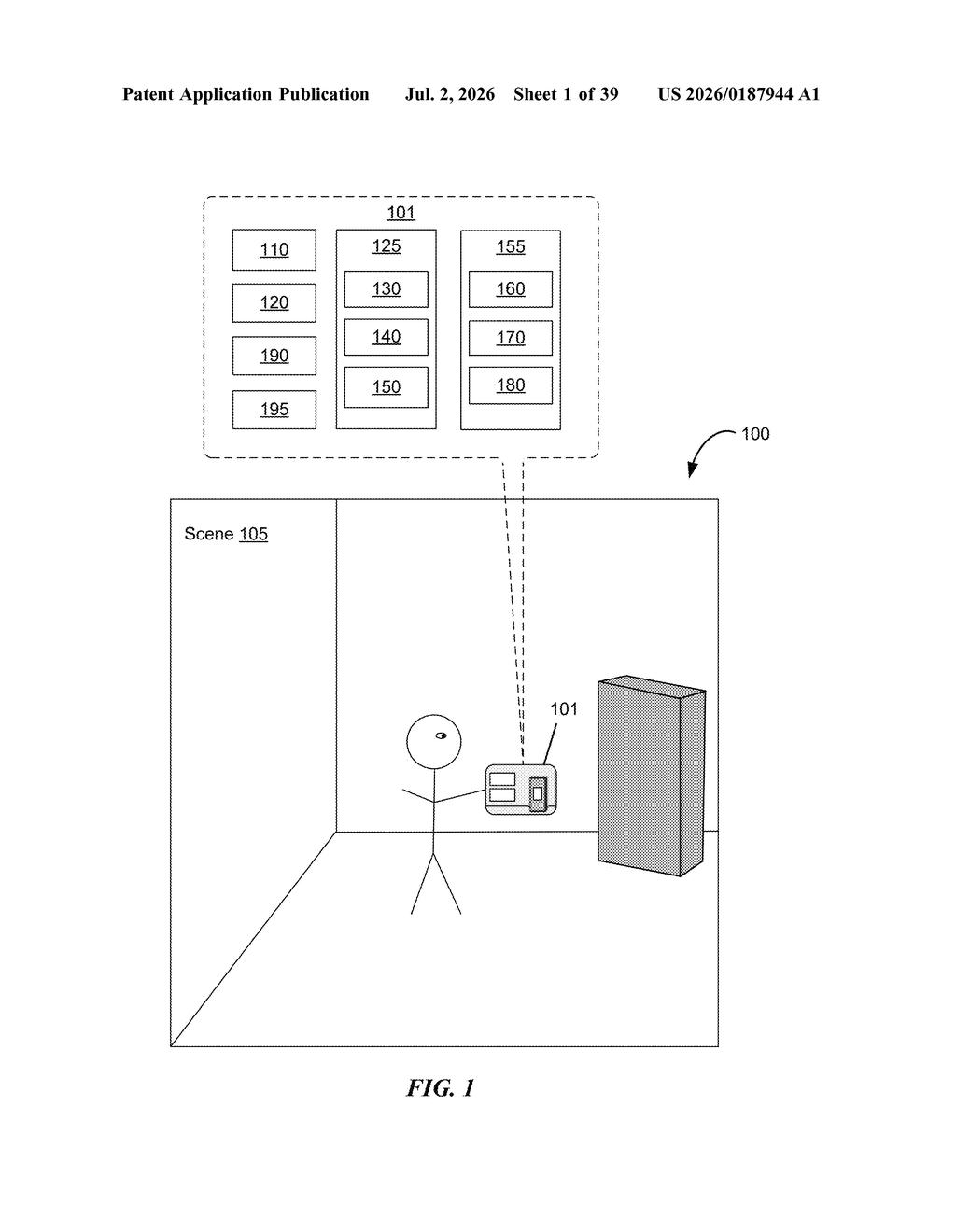
What Apple's two-hand AR gesture control actually does
Imagine you're using an AR headset and you reach out to tap a virtual button. With most gesture-based systems, that tap always does the same thing. Apple's patent describes something different: the same hand gesture can mean two completely different things depending on whether your other hand is also active at that moment.
Think of it like a keyboard modifier key. Holding Shift while pressing a letter gives you a capital, and releasing Shift gives you lowercase. Here, your second hand acts as that modifier. One hand doing a pinch alone might scroll through content, but that same pinch while your other hand holds a pose could confirm a selection or trigger a different command entirely.
This kind of two-hand coordination could make AR interfaces far less cluttered. Instead of cramming the screen with buttons and menus, you could access two layers of controls using the same set of natural gestures, just with or without your other hand involved.
How the system reads both hands before acting
The patent describes a computer system connected to a display (like a headset) and a wearable device that tracks hand position and movement. The core idea is a conditional gesture system: when the device detects a gesture from one hand, it checks the state of the other hand before deciding what to do.
Specifically, the system monitors two inputs simultaneously:
- First hand input: the gesture the user actively performs (a pinch, a tap, a swipe)
- Second hand input: whether the user's other hand is currently performing its own gesture or pose at the same time
If both hands are active together, the system executes a specific first operation. If only the first hand is active and the second hand is idle, the system deliberately skips that operation entirely. The gesture from the first hand alone either does something else or does nothing at all.
This creates a two-state input layer per hand without requiring the user to navigate additional menus or speak commands. The context of the other hand becomes part of the instruction. The patent situates this within an augmented reality environment where virtual objects are overlaid on the real world, making precise and unambiguous gesture input especially important.
What this means for Vision Pro and spatial computing
AR headsets like Apple Vision Pro already use hand gestures as the primary input, but one of the real friction points is accidental triggering. Your hands are constantly moving, and a system that interprets every single-hand gesture as a command would be exhausting to live with. A two-hand requirement for certain actions adds a natural confirmation layer, making it much harder to trigger something by accident.
This also suggests Apple is thinking about how to scale AR interfaces beyond the basics. If your two hands can each carry different meaning depending on what the other is doing, you could have a much richer set of controls without adding any hardware at all. For spatial computing as a category, that kind of input depth is what separates a demo from a daily driver.
This is a quiet but genuinely useful idea for anyone who has fumbled through gesture-based AR interfaces and accidentally triggered things they didn't want. The two-hand modifier concept is intuitive enough that users probably wouldn't need to think about it consciously after a short learning curve. It won't make headlines the way a new chip does, but it's exactly the kind of interaction refinement that makes a platform feel polished versus prototype.
Get our take in your Top Stories
Liked this breakdown? Add Patentlyze as a preferred source on Google, and our plain-English take shows up more often in your Top Stories the next time Apple patent news breaks.
There are more where this came from
We read every patent application Big Tech publishes and send you the ones worth knowing. Plain English, free, every week.
Want this weekly breakdown for a company we don't cover? Patentlyze Pro →