
Apple Patents a System That Keeps Your Virtual Self Looking Color-Consistent
When Apple stitches together a 3D version of you from multiple scans, the colors don't always match. This patent describes a way to fix that automatically, before anyone else sees the result.
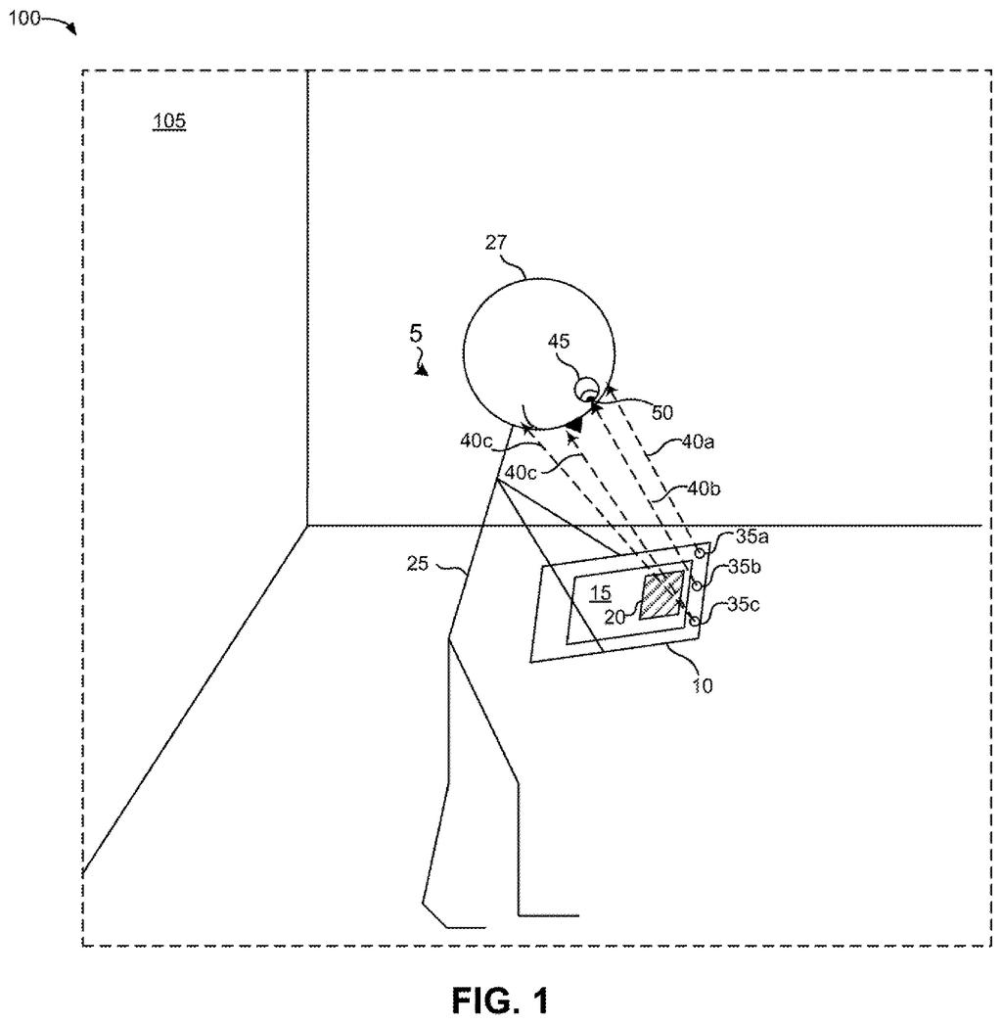
What Apple's skin-tone matching for 3D avatars actually does
You're setting up a 3D avatar of yourself, and the system scans your face separately from your body. The two scans were taken at different times or under different lighting, so your virtual face looks slightly different from your virtual torso. The colors are off, and it shows.
Apple's patent describes a process that compares the two scans and adjusts the colors in one to match the other. Crucially, it first strips out anything that isn't skin, like your shirt or hair, so the comparison is only between comparable parts. The result is an adjusted 3D model where your complexion looks consistent across the whole representation.
This matters most when you're combining 3D captures made using different cameras or different methods. Rather than asking the user to reshoot everything under the same conditions, the system handles the correction automatically.
… filtering the sample 3D representation based on identifying parts of the sample 3D representation corresponding to non-skin features; adjusting the first 3D representation by adjusting one or more colors of the first 3D representation based on colors in the first 3D representation and colors in the filtered sample 3D representation; …
Translation: The system removes clothing or hair from the color sample and matches the remaining skin tones.
How Apple filters skin from clothing before color-correcting
The patent describes a pipeline with four main steps:
- Obtain a first 3D representation of one part of the user (say, the face or upper body), captured using one imaging technique.
- Obtain a sample 3D representation of a different part of the user, captured separately, which acts as the color reference.
- Filter the sample by identifying and removing non-skin features (clothing, hair, accessories) so only bare skin pixels inform the color comparison.
- Adjust the first representation's colors based on what remains after filtering, then output the corrected model for use in a combined 3D scene.
The word 'filtering' here does real work. Without it, a bright red shirt in the sample scan could skew the color correction and make the final avatar look wrong. By isolating skin-tone data, the algorithm compares like with like.
The combined representation referenced in the claim is a composite: the corrected first scan plus one or more separately generated 3D representations, presumably captured or rendered via a different technique. The patent is about making those pieces match before they're assembled, not about how the final scene is rendered.
… providing the adjusted first 3D representation for generating combined 3D representations that combine the adjusted first 3D representation with one or more second 3D representations, …
Translation: It outputs the color corrected body model so it can be merged seamlessly with other digital parts.
What this means for FaceTime, Vision Pro, and digital avatars
If Apple is building more immersive communication tools, such as the kind of full-body or face-plus-avatar composites you'd expect in a Vision Pro context, color consistency across independently captured body parts is a practical prerequisite. A mismatched complexion breaks the illusion immediately, and asking users to reshoot under controlled lighting is not a realistic solution at scale.
For everyday users, this is the kind of invisible fix that determines whether a feature feels polished or feels like a tech demo. Apple has been filing around spatial computing and avatar fidelity since 2023, and this patent fits that pattern: less about a flashy new capability, more about making an existing capability feel real.
Apple's 424th filing we've tracked since May in our Apple coverage adds to a run that includes accidental-pinch detection in AR and sliding screens for eye alignment.
Claim 1 is specific enough to be credible but broad enough to matter. It covers any method that (1) takes two separate 3D scans of different body parts, (2) filters non-skin regions from one, and (3) uses that filtered data to color-correct the other before combining them. That sequence is concrete, not abstract.
The practical reach of this, if granted, covers a meaningful slice of how composite avatars get built. Any system that assembles a 3D person from separately captured pieces and then corrects their color by referencing skin-only data would read on this claim. That's a real constraint on how competitors could implement the same feature.
The honest caveat is that prior art in color correction and skin detection is extensive. The specific combination of 3D representations, non-skin filtering, and cross-part color adjustment may have prior art that narrows what Apple can actually enforce. As a description of good engineering, though, this is a sensible approach to a real problem.
There are more where this came from
We read every patent application Big Tech publishes and send you the ones worth knowing. Plain English, free, every week.
The drawings
17 drawing sheets from US 2026/0278978 A1 · click any drawing to enlarge


Want this weekly breakdown for a company we don't cover? Patentlyze Pro →
Be the first to weigh in