
Samsung Patents an Auto-Adjusting Color Fix for Dark and Dim Photos
Taking a photo in a dim restaurant or a poorly lit hallway almost always ends in disappointment. Samsung is patenting a system that sizes up each individual image and applies a custom color fix on the spot, rather than relying on a one-size-fits-all filter.
What Samsung's per-photo color correction actually does
You're trying to snap a photo at a dinner table with candles as the only light source. The result looks muddy, the colors are off, and no amount of sliding the brightness bar afterward really fixes it.
Samsung's patent describes a system that looks at your photo before it displays, figures out exactly how its colors have gone wrong in that specific shot, and then builds a tailored correction formula just for that image. It's not a preset filter applied to everything. The correction adapts to what's actually in each frame.
Once the math is done, the phone applies the fix and shows you a cleaned-up version. The whole process runs on the device's own processor, so it's meant to happen quickly, in the background, before the image hits your screen.
… determining, using the at least one processing device, parameters of an adaptive affine color correction model based on the input image frame; …
Translation: The device calculates specific color adjustments tailored to the lighting of your dark photo.
How the affine model sets its own parameters per frame
The patent centers on what Samsung calls an adaptive affine color correction model. "Affine" here means a mathematical transformation that can shift and scale color values across an image in a coordinated way. Think of it like adjusting the color balance in a photo editor, except the adjustment values are calculated fresh for every single image rather than set once and applied universally.
The process has four steps:
- Capture an input image frame from the camera sensor.
- Analyze that frame to determine the specific correction parameters it needs (how much to shift which colors, and by how much).
- Apply the affine color model to generate an enhanced output frame.
- Display the corrected image on screen.
The key word throughout is adaptive. A static color correction tuned for typical daylight will over-correct or under-correct in candle light, fluorescent offices, or foggy outdoor scenes. By recalculating the parameters for each frame, the system aims to stay accurate across a much wider range of lighting conditions.
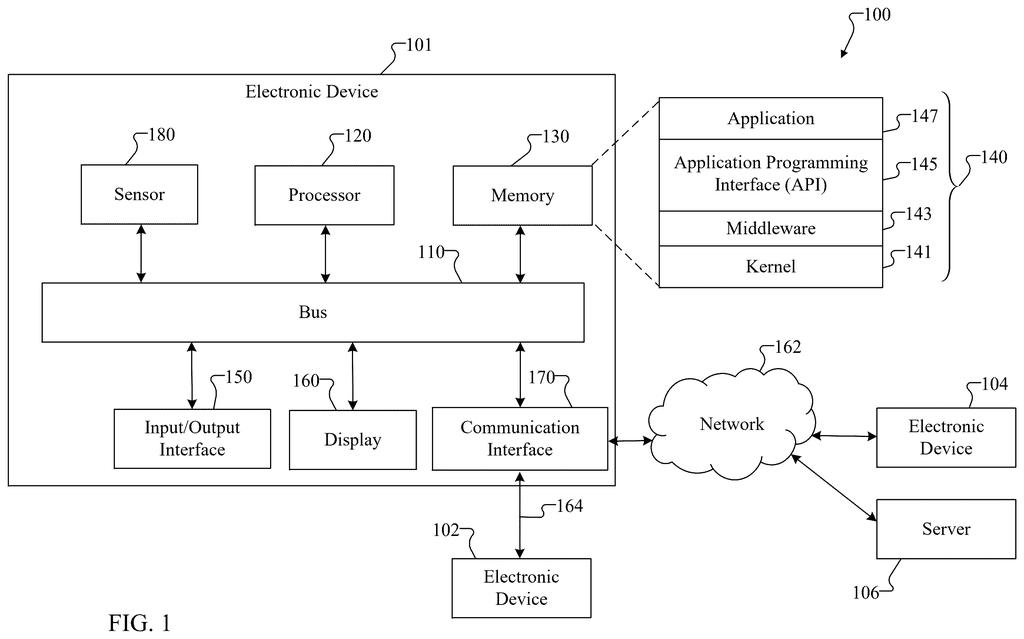
The claim is deliberately broad, covering any electronic device with an imaging sensor and a processor, which means it could apply to phones, tablets, cameras, or other hardware Samsung ships.
… performing, using the at least one processing device, image visual quality enhancement using the adaptive affine color correction model to generate an enhanced image frame …
Translation: It automatically fixes the picture quality to make dark scenes clearer and brighter.
What this means for low-light phone photography
Low-light photography is one of the most-cited complaints about smartphone cameras, and it's genuinely difficult to solve in hardware alone. Better lenses and larger sensors help, but software processing after the shot is where much of the real improvement happens. A color correction system that customizes itself per image, rather than leaning on a global preset, could meaningfully reduce the muddy, color-shifted look that plagues indoor and nighttime shots.
For everyday users, the practical payoff is simpler: fewer bad photos you have to delete or edit manually. Whether this patent reflects a feature headed to Galaxy phones or stays on the shelf is unknown, but it points to where Samsung's interest in computational photography keeps pushing, toward on-device intelligence that adjusts to the scene rather than assuming the scene will cooperate.
Samsung's 125th filing we've tracked in our camera sensor push work since May builds on ideas like merging frames without decoding and a self-testing decoder application.
Bad photos in dim restaurants and living rooms are one of the most common complaints phone owners have, and they are a meaningful driver of hardware upgrades. The gap between what a phone camera promises and what it delivers after dark costs manufacturers real loyalty.
This patent addresses that gap by recalibrating color on a frame-by-frame basis, rather than relying on a fixed formula baked in at the factory. That is a modest adjustment to an established technique, and the patent's claims are written so broadly that it is hard to know how much new ground Samsung is actually covering.
Still, modest adjustments applied to millions of photos add up. If this ships and reliably reduces the muddy, orange-shifted color that plagues indoor shots, users will notice even if they cannot name what changed.
There are more where this came from
We read every patent application Big Tech publishes and send you the ones worth knowing. Plain English, free, every week.
The drawings
6 drawing sheets from US 2026/0278757 A1 · click any drawing to enlarge


Want this weekly breakdown for a company we don't cover? Patentlyze Pro →