
Samsung Patents a Camera Mode That Adjusts Exposure Based on How Much Your Pet Is Moving
Getting a sharp photo of a pet is genuinely hard, and Samsung thinks the fix is letting the camera watch how much the animal is moving before it decides how to expose the shot.
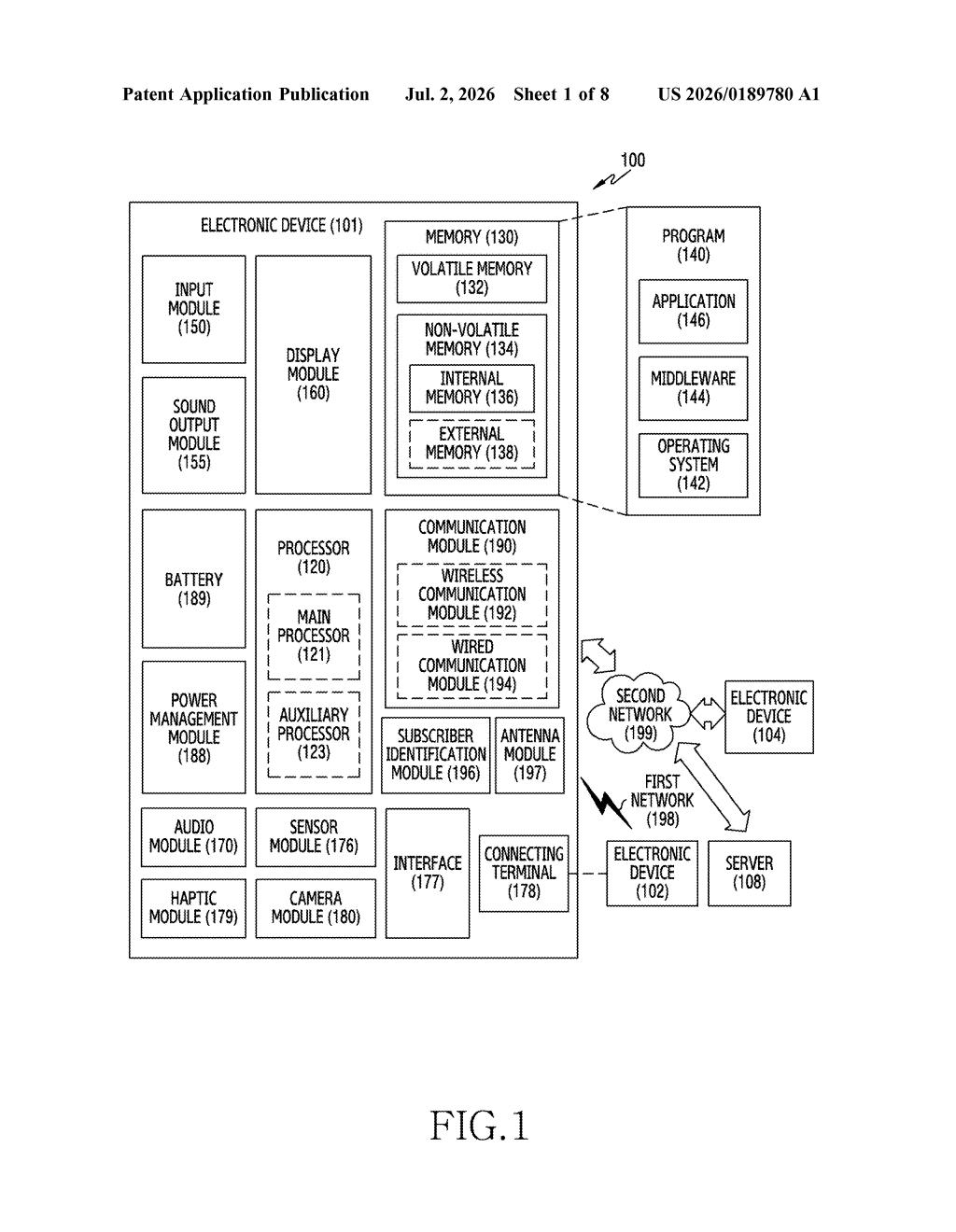
What Samsung's pet-motion exposure system actually does
Imagine you're trying to photograph your dog mid-zoomies versus your cat napping in a sunbeam. Those two moments need completely different camera settings, but most phones just pick one approach and hope for the best.
Samsung's patent describes a system that watches your pet in the live preview before you even tap the shutter. If the animal is moving around a lot, the camera uses a shorter exposure (less light collected, but a faster effective capture) to freeze the motion. If the animal is relatively still, it uses a longer exposure to bring in more light and get a cleaner, brighter image.
The phone is essentially making the same judgment call an experienced photographer would, just automatically and in real time. You don't touch any settings. You just point at your pet and the camera figures out which mode fits the moment.
How the camera picks between two exposure values
The patent describes an electronic device (a smartphone, most likely) that continuously analyzes the preview image from the camera while you're framing a shot of an animal.
The processor measures the magnitude of movement detected in the animal and compares it against a preset threshold value. Based on that comparison, it selects one of two exposure paths:
- High movement (above threshold): The camera uses a lower, first exposure value. A lower exposure value means the sensor gathers light for a shorter effective period, which reduces motion blur on a fast-moving subject.
- Low movement (below threshold): The camera switches to a higher, second exposure value. More light is captured, producing a brighter, cleaner image when blur isn't a concern because the animal is still.
The system runs during the live preview phase, meaning the decision is made before the image is actually captured. The patent doesn't specify exactly how movement is detected, but the framing suggests it relies on frame-to-frame analysis of the animal's position within the scene.
What this means for getting sharp photos of pets
For most people, this translates directly to fewer blurry pet photos. The phone is doing something you'd otherwise have to do manually in a pro camera app: trading exposure brightness for motion sharpness when the scene calls for it. Samsung's Galaxy camera lineup already has scene-detection features, and a dedicated animal-movement mode would be a natural addition to that stack.
The broader signal here is that phone makers are moving beyond generic "AI photo" labels and filing patents around specific, named subjects like pets. If this ships, it suggests Samsung sees pet photography as a distinct enough use case to warrant its own real-time exposure logic, not just a post-processing filter.
This is a narrow but genuinely useful idea. Pet photos are a massive share of what people actually shoot on their phones, and motion blur is the most common reason those photos fail. The two-exposure-value approach is simple enough to work reliably, which is more than you can say for a lot of computational photography patents that describe elaborate systems that never quite make it out of the lab.
Get our take in your Top Stories
Liked this breakdown? Add Patentlyze as a preferred source on Google, and our plain-English take shows up more often in your Top Stories the next time Samsung patent news breaks.
There are more where this came from
We read every patent application Big Tech publishes and send you the ones worth knowing. Plain English, free, every week.
Want this weekly breakdown for a company we don't cover? Patentlyze Pro →