
Nvidia Patents an AI System That Walks Engineers Through Live Server Failures
When a data center goes down, every minute costs real money. Nvidia has filed a patent for an AI system that not only spots the failure but rewrites its fix in real time as engineers swap messages about it.
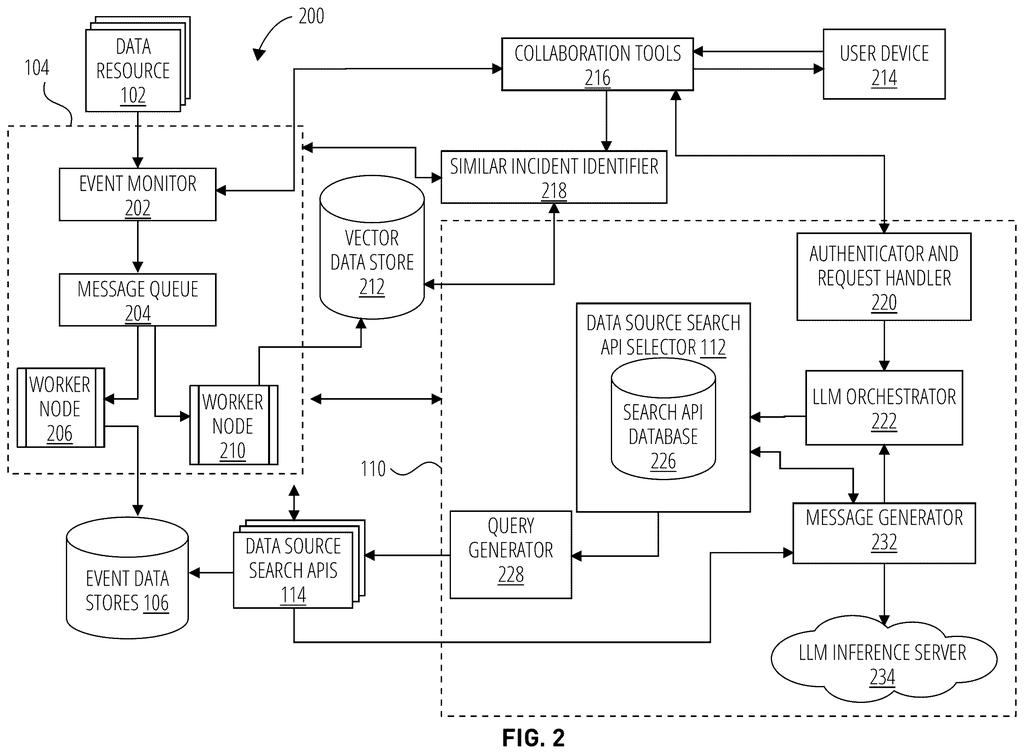
What Nvidia's AI incident manager actually does
When a server farm has a problem today, an alert fires, engineers pile into a chat room, and everyone tries to figure out what happened while the outage is still happening. It is slow, stressful, and often relies on whoever has the most experience in the room.
Nvidia's patent describes an AI layer sitting on top of that chaos. It watches the incoming error signals from across the data center, cross-references them against a library of past incidents that looked similar, and then drops a suggested fix directly into a shared communication channel where the response team is already talking. That suggestion is not static: as engineers respond, ask questions, or push back, the AI reads those messages and updates its recommendation on the fly.
Think of it less like a help-desk ticket and more like a colleague who has read every post-mortem report ever written and can follow the conversation in real time. The system can also push the final, agreed-on fix to the affected systems automatically, or hand it off to a human to execute.
… providing, using the at least one processor and to a communication channel, a potential solution to address the detected incident, the potential solution being generated based at least on the event data and historical incident data associated with a plurality of historical incidents identified as being similar to the detected incident; …
Translation: The system posts a suggested fix to a chat channel by comparing the current failure to past server problems.
How the system reads signals and rewrites its own advice
The patent describes a pipeline with three main stages working in a continuous loop.
Detection: The system monitors event data from multiple sources inside a data center, things like server health metrics, network logs, and application error streams. When those signals cross a threshold or fall into a suspicious pattern, the system flags an incident and immediately identifies which teams or individual engineers need to be involved.
Initial response: Using historical incident data (records of past outages that look similar to the current one), the AI generates a first-pass solution and delivers it to a dedicated communication channel. That channel is created for this specific incident, so the right people get the right context without searching through unrelated threads.
Continuous updating: Here is where it gets interesting. The system keeps watching, and the inputs are now three things in combination: the live event data still coming in from the affected resources, the ongoing conversation between engineers on that channel, and the historical incident library. Every time something changes, including a human saying "that didn't work" or a new error code appearing, the AI revises its suggested fix. The final step is either sending the updated solution to the affected endpoints for automatic execution or surfacing it so a human can approve and run it.
By monitoring one or more entity actions associated with the incident, the system and methods may provide an updated potential solution to address the incident in real time based on the one or more entity actions, event data from the one or more data resources, and historical incident data from the plurality of historical incidents associated with the incident.
Translation: As engineers type and work, the AI watches their actions and constantly updates its troubleshooting advice.
What this means for the people keeping servers running
For the companies that run large-scale infrastructure, including cloud providers, financial firms, and anyone hosting their own servers, incident response is one of the highest-stress and highest-cost operations in the building. A system that cuts the time between detecting a failure and landing on a working fix could meaningfully reduce both downtime and the overnight pages that burn out operations teams.
the pattern in Nvidia's enterprise AI filings suggests the company is positioning its AI platforms as infrastructure management tools, not just accelerators for model training. For you as an end user, the downstream effect is simpler: services you depend on, whether that is a streaming platform, a cloud app, or an online store, could recover from outages faster if their operators are using tools like this.
Nvidia's 11th filing we've tracked since July adds to a set that already includes a hub for agent questions, self-writing GPU test code, and more in our AI agents acting for you watch.
The core idea here is software, not new hardware, which means the main ingredients already exist: programs that scan system logs, tools that catch problems as they happen, and workplace chat apps where teams coordinate. What this patent protects is a specific loop connecting those pieces: spot a problem, suggest a fix, watch what the human team does, and update the advice based on their actions.
Getting it to market is less a technical puzzle than a trust puzzle. Engineers running critical systems under pressure will want to see the system behave well dozens of times before they let it near anything consequential, and the document sensibly requires human approval before any fix is actually applied.
For a company whose processors already run much of the world's computing work, a software layer that helps customers manage those systems fits naturally into what already exists and gives those customers one more reason to stay.
There are more where this came from
We read every patent application Big Tech publishes and send you the ones worth knowing. Plain English, free, every week.
The drawings
13 drawing sheets from US 2026/0277733 A1 · click any drawing to enlarge


Want this weekly breakdown for a company we don't cover? Patentlyze Pro →