
Nvidia Patents a Tool That Finds Matching Visual Glitches Across Two Graphics Systems
Comparing two graphics systems usually means someone sitting down and watching hours of test footage. Nvidia's new patent describes a tool that automates that process, hunting for matching visual problems across both and queuing them up for a direct side-by-side comparison.
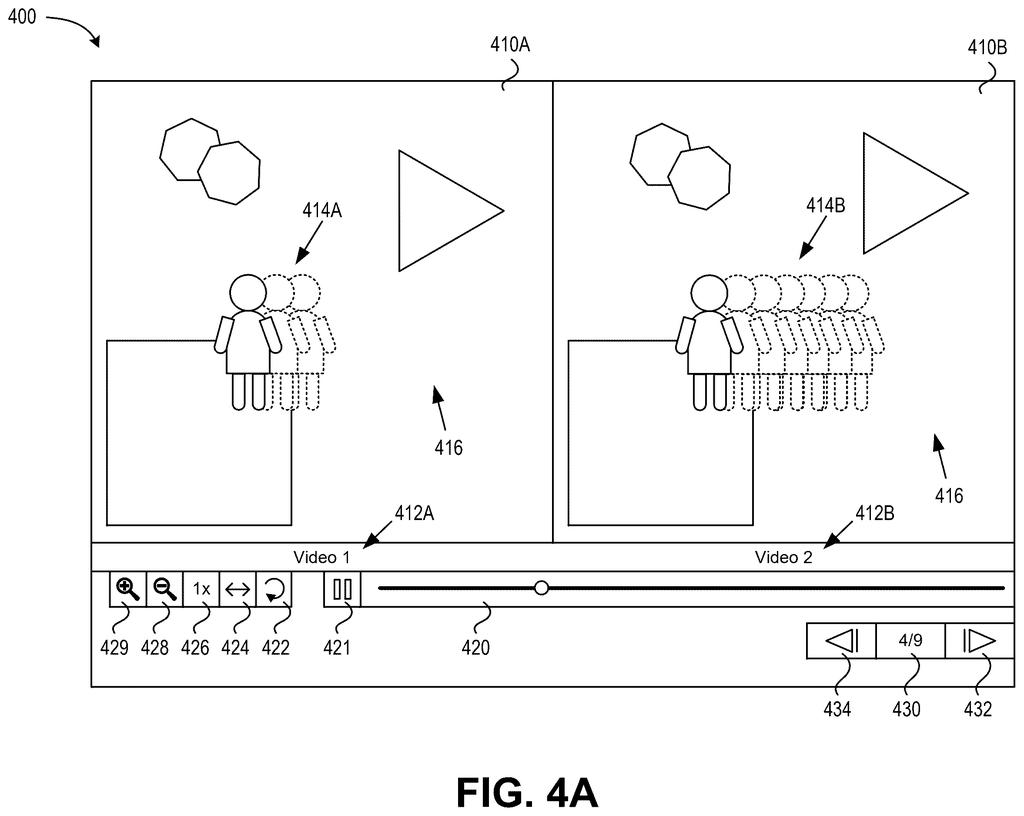
How Nvidia's automated graphics comparison actually works
Checking whether one graphics engine produces the same visual errors as another is tedious, slow work today. Engineers typically have to scrub through test videos manually, trying to spot the same glitch appearing in two separate recordings at different timestamps. Nvidia wants to automate that process.
The system described in this patent analyzes two sets of test videos, one from each graphics system, and looks for moments where both videos contain similar visual artifacts (things like flickering, rendering errors, or unusual frames). When it finds a matching pair, it cues up the relevant clips from each video so an engineer can review them side by side in a single interface.
The goal is to cut down the time it takes to verify whether a new graphics algorithm behaves the same way as an existing one, which matters enormously when you're shipping driver updates or testing a new rendering pipeline against a proven baseline.
comparing, using a processing device, a first set of video artifacts derived from a first video generated by a first computer graphics system and a second set of video artifacts derived from a second video generated by a second computer graphics system …
Translation: Software analyzes and compares visual errors from two different graphics setups.
How the system matches artifacts and syncs video playback
The patent describes a three-step pipeline built around the concept of a "video artifact," which is essentially any unusual or noteworthy frame or segment extracted from a test video.
- Artifact extraction: Each video generated by a graphics system is analyzed and broken down into a set of artifacts. These could be specific frames that deviate from the surrounding footage, regions of flickering, or other frame-level anomalies.
- Similarity comparison: The system compares the artifact sets from the two graphics systems. It checks whether the difference between a paired artifact from system A and one from system B falls within a defined threshold, meaning the two artifacts are judged to be similar enough to be considered a match.
- Synchronized UI playback: When a matching pair is found, the system instructs a user interface to play the surrounding video segments from both sources simultaneously, so an engineer can directly compare how each system handled that moment.
The threshold criterion is the key design choice here. Setting it too tight means no matches get flagged; too loose means false positives flood the review queue. The patent doesn't prescribe a single threshold value, leaving room for configurable sensitivity depending on the comparison task.
… causing a UI to play a first portion of the first video that includes the first video artifact and a second portion of the second video that includes the second video artifact.
Translation: The tool shows the matching glitches side by side on screen for a user.
What this means for graphics engineers testing new rendering code
For graphics engineers, comparing two rendering pipelines today is largely a manual effort. Every time a driver update or new algorithm ships, someone has to verify it doesn't introduce new visual problems or alter existing behavior in unexpected ways. That review process is expensive in both time and human attention, especially when the two systems being compared can produce hours of test footage.
This patent describes a tool that could compress that review cycle significantly. Instead of watching full test recordings, engineers would be directed straight to the moments that actually differ or match between systems. For a company like Nvidia that ships GPU drivers to hundreds of millions of users on a regular cadence, shaving time off graphics QA testing has real cost implications.
Nvidia's 32nd filing we've tracked since July in the GPU rendering race adds to a run that includes one on blending visual surfaces and one on ray-trace decisions.
Catching visual glitches in graphics software before they reach customers is slow, expensive, manual work. A single missed defect in a driver update can trigger waves of bug reports, force emergency patches, and damage a company's reputation with the developers and gamers who depend on stable output.
What this patent describes is a system that automates the comparison of video recordings from different graphics pipelines, flags moments where the outputs diverge meaningfully, and surfaces those moments side by side for a human reviewer. That narrows a potentially hours-long review process down to the specific frames that actually warrant attention.
For graphics teams shipping dozens of updates a year, saving even a fraction of review time compounds into something substantial. The approach matches the scale of the headache in practical terms, even if it relies on careful engineering rather than a dramatic new detection method.
There are more where this came from
We read every patent application Big Tech publishes and send you the ones worth knowing. Plain English, free, every week.
The drawings
17 drawing sheets from US 2026/0289757 A1 · click any drawing to enlarge


Want this weekly breakdown for a company we don't cover? Patentlyze Pro →
Be the first to weigh in