
Samsung Patents Technology That Corrects Pixels Automatically While Video Decodes
Every compressed video you watch is a little bit wrong, by design. Samsung has filed a patent for a neural network that patches those errors pixel by pixel, at the moment of decoding.
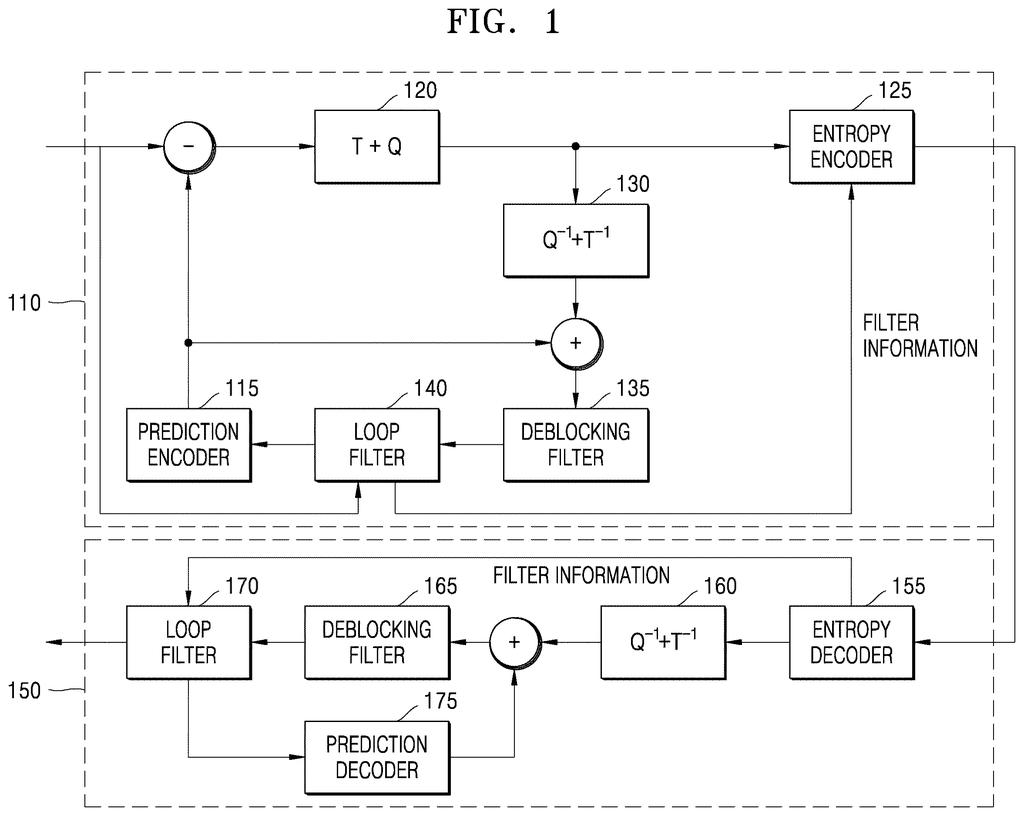
How Samsung's pixel-repair system cleans up compressed video
You're watching a streaming show and a fast-moving scene goes slightly blocky or soft around the edges. That's not your connection failing; it's the cost of compression. Every video file throws away some picture information to stay small, and when your device unpacks it, some pixels land in slightly the wrong place.
Samsung's patent describes a system that runs a small AI model alongside the normal decoding process. The AI looks at the unpacked image, the "prediction" the encoder originally made, and some extra technical notes about how the video was compressed. It combines all three to figure out which pixels came out wrong and by how much, then corrects them before the frame ever reaches your screen.
The key idea is efficiency: instead of trying to describe a correction for every single pixel in full detail, the system assigns each pixel a short code (an index) that points to a pre-set correction value. Fewer numbers to store and transmit, same quality boost.
obtaining a feature map for a plurality of pixels by inputting, to a neural network, a decoded image, a prediction image, and coding context information for a current image comprising the plurality of pixels …
Translation: An AI analyzes the decoded video alongside reference images and metadata to spot visual errors.
How the neural network maps errors to corrected pixel values
The patent covers both the encoding side (compressing video) and the decoding side (playing it back), but the interesting part lives in the decoder.
When a compressed video arrives at your device, a standard decoder reconstructs pixels from the compressed data. That reconstruction is never perfect. The patent's system adds a second pass: a neural network receives three inputs at once:
- The decoded image as the standard decoder produced it
- A prediction image (the original best-guess frame the encoder built before compression)
- Coding context information (metadata about how this particular section of video was compressed)
From those three inputs, the network produces a feature map (think of it as a heat map showing where and how badly each pixel went wrong). The system then translates each pixel's entry in that map into an index, a short numeric code pointing to a lookup table of pre-computed correction values.
Finding the right correction value from a table is much faster than calculating a unique floating-point correction for every pixel from scratch. The corrected value is added to the pixel's current value, and the output frame replaces the original decoded image.
… obtaining a corrected pixel value for the at least one pixel on the basis of the identified pixel correction value, and obtaining, on the basis of the current image, an output image corrected so that the at least one pixel has the corrected pixel value.
Translation: The system calculates the exact fixes needed and applies them to generate a corrected final picture.
What this means for streaming and compressed video quality
For everyday viewers, the promise is better-looking video at the same file size or bandwidth. Compression artifacts, those familiar blocky patches and washed-out edges in fast scenes, come from exactly the kind of pixel-level rounding errors this system is designed to fix. If it works as described, your stream could look like it was encoded at a higher quality without actually requiring more data.
The design also reflects a wider pattern: several Samsung filings on neural video coding this year point toward a company betting that AI-assisted codecs will eventually replace or supplement today's standard compression algorithms (H.264, H.265, AV1). Whether that happens at the hardware level inside Samsung's chips or through software updates to existing devices is not something this patent settles.
Samsung's 136th filing we've tracked since May in our camera sensor push watch adds to a run that includes an AI photo eraser and a hidden structural fingerprint reader.
The core engineering tradeoff here is speed versus accuracy. Mapping pixel corrections through a lookup table of pre-set values is fast and memory-efficient, but it means the correction can only be as precise as the table allows. A pixel that genuinely needs a correction value between two entries in the table gets rounded to the nearest available option, which is a form of the same quantization error the system is supposed to fix.
That tradeoff may read as worth it in practice. Modern neural networks are good at learning lookup tables fine-grained enough that the rounding error is smaller than the original compression artifact, so the net result is still an improvement. The real cost is that the system requires running a full neural network inference on every decoded frame, which eats into the battery and processing budget of the decoding device.
For a phone or a smart TV with a dedicated AI processor, that overhead is probably negligible. For low-power devices or real-time video calls where every millisecond counts, it could be a harder sell. This is solid foundational work in a crowded field, but the patent doesn't address latency or power consumption, and those gaps will matter a lot when it comes time to ship.
There are more where this came from
We read every patent application Big Tech publishes and send you the ones worth knowing. Plain English, free, every week.
The drawings
15 drawing sheets from US 2026/0289742 A1 · click any drawing to enlarge


Want this weekly breakdown for a company we don't cover? Patentlyze Pro →
Be the first to weigh in