
Samsung Files Patent for a System That Decides Which Phone Actions Need Your Approval
Samsung is patenting a way for your phone to handle routine actions on your behalf without asking, and only pause to check with you when something actually warrants a second look.
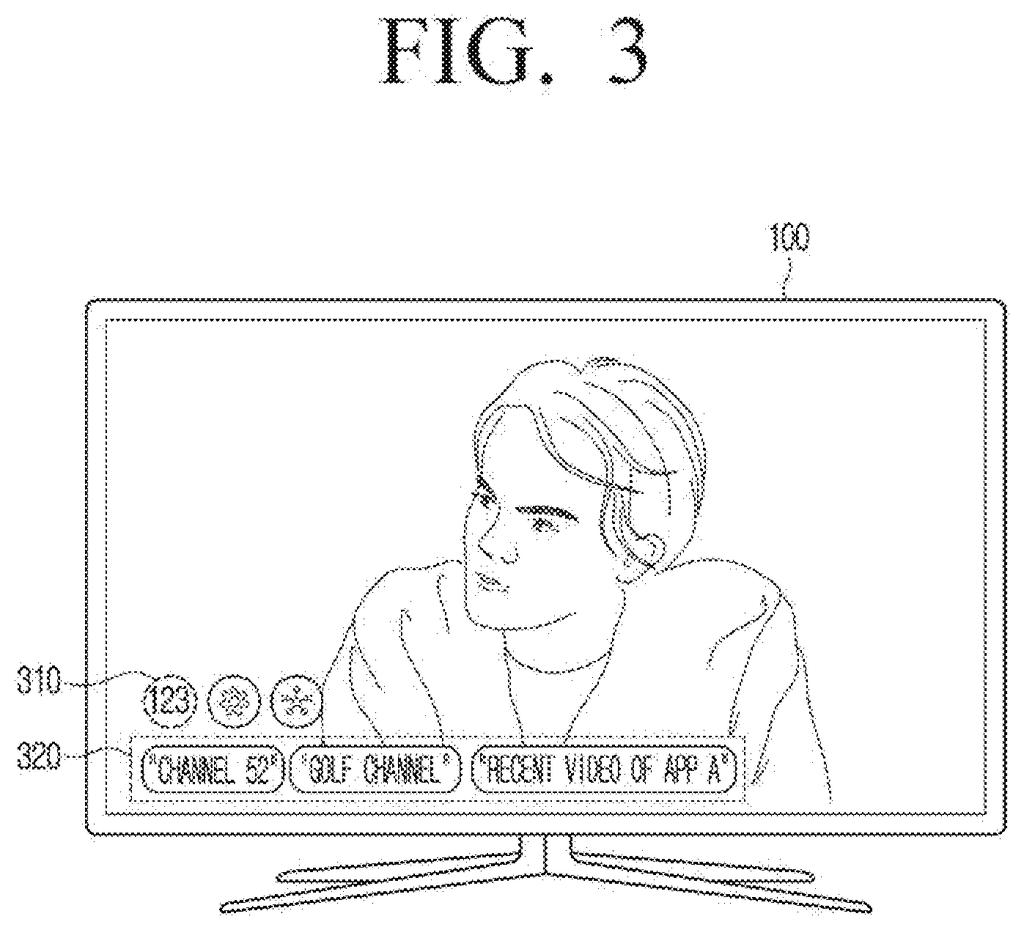
How Samsung's auto-action screen learns your habits
Imagine you're watching a video and your phone figures out you always save clips from this app, always mute this channel, and always skip this type of ad. Right now, it would ask you before doing any of those things. Samsung's patent describes a system that already knows your habits and just handles the routine ones for you.
The key idea is splitting your phone's possible actions into two buckets. The first bucket holds things it's seen you do so reliably, and in so similar a situation, that it can go ahead without asking. The second bucket holds anything that feels less certain, and for those it puts a prompt on screen so you make the call.
The device figures out which bucket each action belongs to by reading the content on screen and checking your history with similar content. The goal is fewer unnecessary "Are you sure?" moments, while keeping you in control of anything that actually matters.
… identify, at least one first operation and at least one second operation, from among a plurality of operations relating to the content, based on the information on context of the content and the information on use history, wherein the at least one first operation requires no user confirmation, wherein the at least one second operation requires user confirmation …
Translation: The phone decides which actions to just do and which ones need you to click ok.
How the device splits actions into silent vs. Confirmed
The system works by having the device constantly read two things at once: what's on screen right now (the content context) and a stored record of how you've handled similar situations before (the use history).
From those two inputs, it classifies every possible action tied to the current content into one of two groups:
- First operations: actions with enough historical precedent that the device treats them as pre-approved and executes them automatically.
- Second operations: actions that are new, ambiguous, or consequential enough that they get surfaced as a prompt in the user interface for you to confirm or reject.
The split isn't fixed. It updates as your behavior changes. If you start doing something you've never done before, it lands in the confirmation bucket until it builds a track record. Once you've done it often enough in the same context, it moves to the automatic bucket.
The patent is written broadly enough to cover phones, tablets, or any display-equipped device. The "context" it reads could be the type of media playing, the app in use, or metadata attached to the content, though the specific signals are left open for implementation.
What this means for everyday phone and tablet use
The problem this targets is real and familiar: phones ask for confirmation far too often, and not often enough for the things that actually deserve a pause. Every unnecessary tap trains people to dismiss prompts without reading them, which is exactly the opposite of what confirmation dialogs are supposed to do. A system that reserves confirmation screens for genuinely uncertain moments could make those moments feel meaningful again.
For everyday users, this could mean your device handles the repetitive busywork of your routine without constant interruption, while still catching the moments where your judgment is actually needed. Whether Samsung ships something close to this in a future Galaxy OS update or keeps it as a building block for a broader AI assistant push, a growing pile of Samsung UI intelligence filings suggests the company is trying to make its devices feel less mechanical without handing over full control.
Samsung's 12th filing we've tracked since July in our AI agents that act for you watchlist follows earlier work like its security alert scanner and one that arranges split-screen apps.
Confirmation fatigue is a real and measurable tax on human attention. Every time a phone asks "are you sure?" for something a person does routinely, it trains them to stop reading and just tap yes, which defeats the purpose of asking entirely. The cost isn't dramatic, it's cumulative, and that makes it easy to overlook while it erodes trust in the device.
Samsung's approach here is to learn from how someone actually uses their phone and handle the predictable stuff automatically, reserving interruptions for decisions that carry real risk or novelty. That matches the scale of the problem well: a cumulative fix for a cumulative harm.
The calibration question, how certain does the device need to be before it acts on your behalf, is where this lives or dies in practice, and the patent doesn't answer it. But building a structure around the problem is a meaningful step toward phones that respect attention rather than just consuming it.
There are more where this came from
We read every patent application Big Tech publishes and send you the ones worth knowing. Plain English, free, every week.
Want this weekly breakdown for a company we don't cover? Patentlyze Pro →
Be the first to weigh in