
Nvidia Patents a System That Tracks Camera Aging Through Pixel Noise
Your camera might look fine from the outside, but its pixels are quietly getting noisier over time — and Nvidia wants to catch that before it causes a problem in an autonomous vehicle.
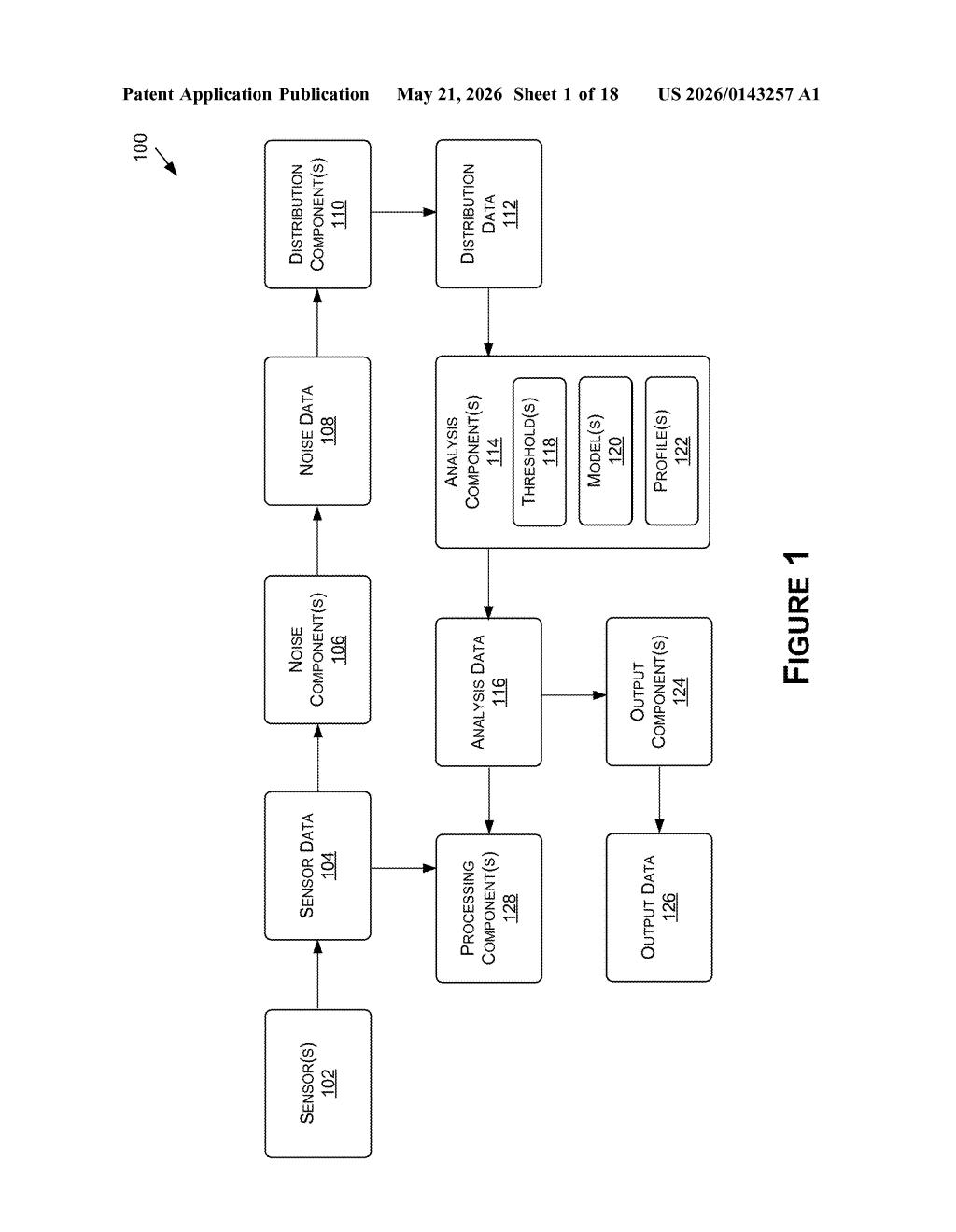
What Nvidia's sensor-aging detector actually does
Imagine buying a used car where the backup camera shows a slightly grainy image. It still works, technically, but it's not as sharp as it used to be. For a human driver, that's annoying. For a self-driving system, that slow degradation could mean missed objects or misread lane markings — without any obvious warning sign.
Nvidia's new patent addresses exactly this kind of slow, invisible sensor rot. The idea is to continuously monitor the noise levels of an image sensor — basically, the random speckle and static that creeps into images over time — and build a statistical picture of how that noise is distributed across pixels. When the distribution starts to shift in ways that suggest a camera is aging, the system flags it.
This isn't about dramatic camera failures you'd notice immediately. It's about catching the gradual kind of degradation that's hard to spot but still matters for safety-critical systems. Think of it as a health check for your sensors, running quietly in the background.
How Nvidia maps noise distributions to catch sensor decay
The patent describes a pipeline that starts by pulling image data from a camera sensor and computing temporal noise values — that is, how much a pixel's output fluctuates over time when it should be seeing the same thing (noise, not real-world change).
Those per-pixel noise values are then aggregated into a noise distribution representation, such as a histogram. The histogram plots how frequently different noise magnitudes occur across the sensor. A healthy, newer sensor will show a tight, predictable distribution. An aging one will show shifts — like a longer tail toward higher noise values, or certain pixel clusters that are noisier than expected.
The system then compares the current distribution against stored thresholds and baseline profiles — essentially a reference snapshot of what the sensor looked like when it was known to be healthy. Specific portions of the distribution (not just the mean) are monitored, which makes the system more sensitive to localized or partial degradation that an average-based check might miss.
Based on those comparisons, the system determines performance characteristics and can trigger downstream operations — things like issuing warnings, adjusting perception model confidence, scheduling maintenance, or flagging the sensor for replacement.
Why aging cameras are a serious problem for self-driving systems
Autonomous vehicles and robotics platforms depend on camera inputs being reliable over tens of thousands of hours of operation. Unlike a hard failure — where a sensor just stops working — gradual noise degradation is silent and insidious. A perception model trained on clean data from a new sensor may quietly underperform on an older one without any system-level alarm.
For Nvidia, whose DRIVE platform underpins a significant slice of the autonomous vehicle stack, having a sensor health monitoring layer built into the system matters for both safety and liability. This patent also has relevance beyond cars: data centers using camera-based monitoring, industrial inspection systems, and even consumer devices could benefit from knowing when a camera's useful life is ending — before it becomes a real problem for you.
This is unglamorous but genuinely important work. Sensor lifecycle management is one of those unsexy problems that becomes very sexy the moment a degraded camera contributes to a safety incident. Nvidia is right to patent a systematic approach here, and the focus on distribution tails rather than just average noise levels shows real engineering sophistication.
There are more where this came from
We read every patent application Big Tech publishes and send you the ones worth knowing. Plain English, free, every week.
Want this weekly breakdown for a company we don't cover? Patentlyze Pro →