
IBM Patents a System That Monitors Worker Stress and Rebalances Workloads Automatically
IBM is patenting a system that watches how much work you're assigned, estimates how stressed you're likely to get, and then reshuffles the queue before you hit a breaking point.
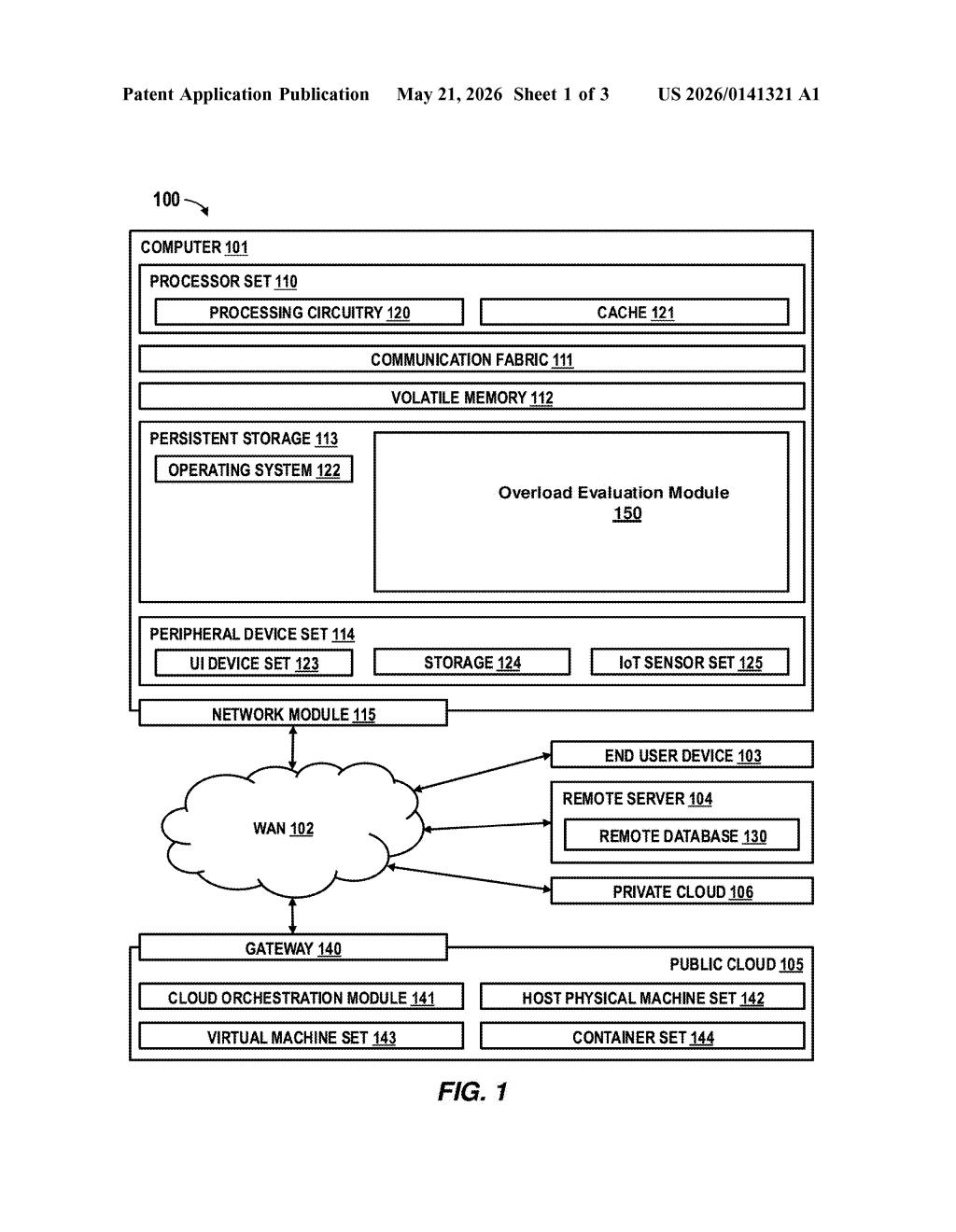
What IBM's stress-triggered workload rebalancing actually does
Imagine your manager could see — in real time — that you're juggling three deadline-heavy projects at once and are about to get burned out. Instead of waiting for you to raise a flag, the system automatically moves one of those tasks to a colleague or extends your deadline. That's the core idea behind this IBM patent.
The system ingests information about an occupational workload — who's doing what, by when — and assigns a stress score to each worker based on the tasks they're carrying. When that score climbs past a preset threshold, it fires an alert and triggers a rebalancing action: reassign the task, add more people to it, or give it more time.
The pitch is proactive rather than reactive. Rather than addressing burnout after someone's already struggling, the system tries to catch the problem in the task-assignment stage — before the stress materializes.
How IBM's system calculates stress and reroutes tasks
The patent describes a pipeline with several discrete steps. First, the system ingests workload data — the collection of tasks that make up a project or job function — and extracts relevant features from it (things like task complexity, deadlines, and dependencies).
Next, it assigns a task performer to each task, then calculates a stress level for each assigned worker. The patent also mentions factoring in historical events and workflow-impact predictions, which suggests the system looks at past performance data alongside current assignments — not just a raw headcount of tasks.
When a worker's calculated stress level exceeds a preselected threshold, the system generates an alert and initiates one of three rebalancing options:
- Reassign the task to a different person
- Extend the deadline or time allocation for completing it
- Add more people to share the workload on that task
The underlying USPC classification (705/7.14) puts this squarely in operations research and project management software — automated scheduling and resource optimization territory, not wearable biometrics or physiological monitoring. The 'stress level' here is a computed model output based on workload attributes, not a heart-rate reading.
What this means for AI-driven workforce management tools
Workforce management software is a crowded space, but most tools are descriptive — they tell you what happened after the fact. A system that continuously models worker stress and triggers automatic interventions before burnout sets in would be a meaningful step toward predictive resource management, which is increasingly where enterprise platforms are trying to go.
For IBM, this fits naturally into its consulting and enterprise software business. Tools like this could be embedded in IBM's project management or HR analytics offerings. For workers, the implications are genuinely dual-edged: proactive workload protection sounds good on paper, but a system that algorithmically scores your stress and moves your assignments around raises real questions about autonomy and how that data gets used.
This is a reasonable but fairly incremental idea — workload balancing systems already exist, and wrapping one in a stress-scoring layer isn't a dramatic leap. The patent doesn't describe any novel method for actually measuring stress; it's really a project management automation loop with 'stress level' as a named variable. Worth a passing look for enterprise software watchers, but not a signal of a major technical bet from IBM.
Get our take in your Top Stories
Liked this breakdown? Add Patentlyze as a preferred source on Google, and our plain-English take shows up more often in your Top Stories the next time IBM patent news breaks.
There are more where this came from
We read every patent application Big Tech publishes and send you the ones worth knowing. Plain English, free, every week.
Want this weekly breakdown for a company we don't cover? Patentlyze Pro →