
Samsung Patents a Way to Make AI Video Analysis Skip Redundant Work
Every time an AI model watches a video, it has to figure out which parts of each frame actually matter. Samsung's new patent asks: why do that math twice when the last frame already told you most of the answer?
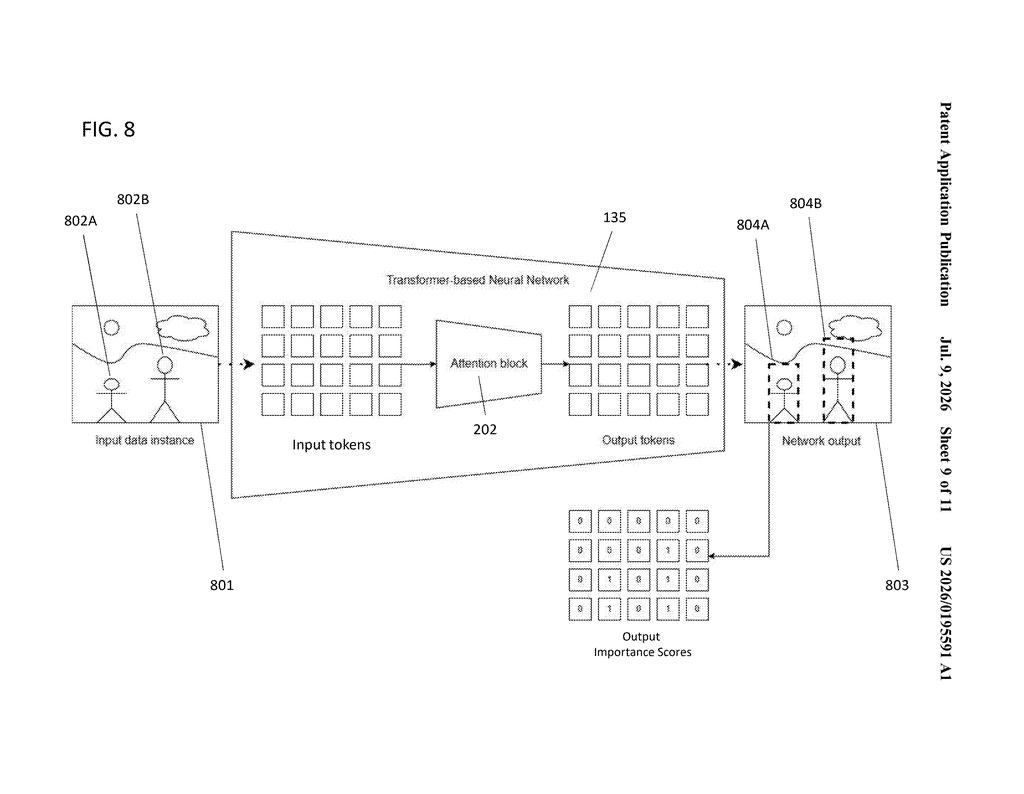
How Samsung's frame-reuse trick speeds up AI video analysis
Imagine an AI assistant that watches your security camera feed. Every second, it has to scan the entire image and decide which pixels are worth paying attention to. That's expensive to compute, especially if the scene barely changed between one moment and the next.
Samsung's patent describes a system that carries those attention decisions forward in time. If the AI already worked out which parts of frame one were important, it uses that knowledge as a head start when processing frame two, skipping the parts that almost certainly don't matter.
The result is that the AI processes fewer chunks of data per frame without losing meaningful accuracy. On a smartphone or tablet running AI locally, that translates to less battery drain, faster responses, or the ability to run a more capable model in the same amount of power.
How importance scores carry over from frame to frame
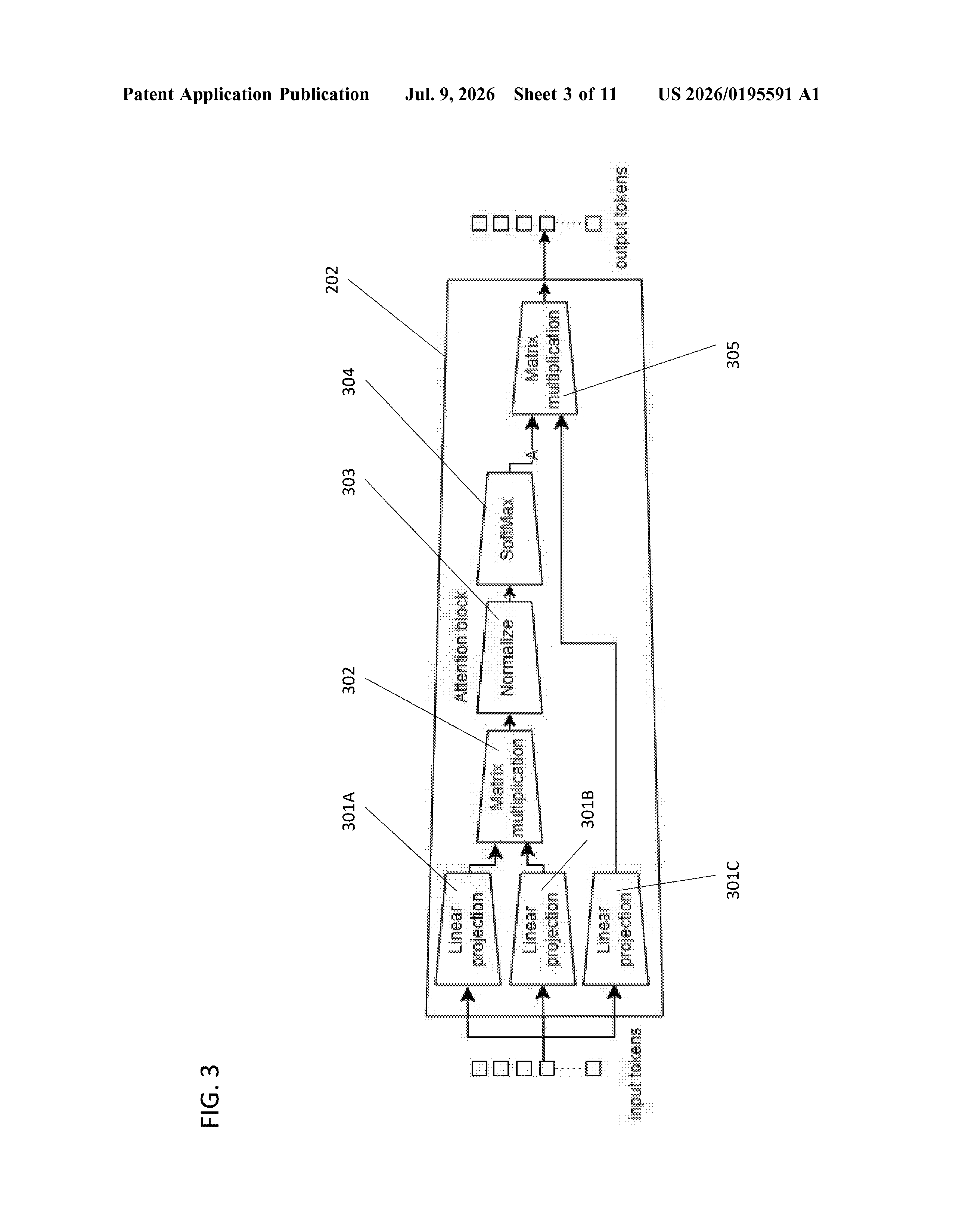
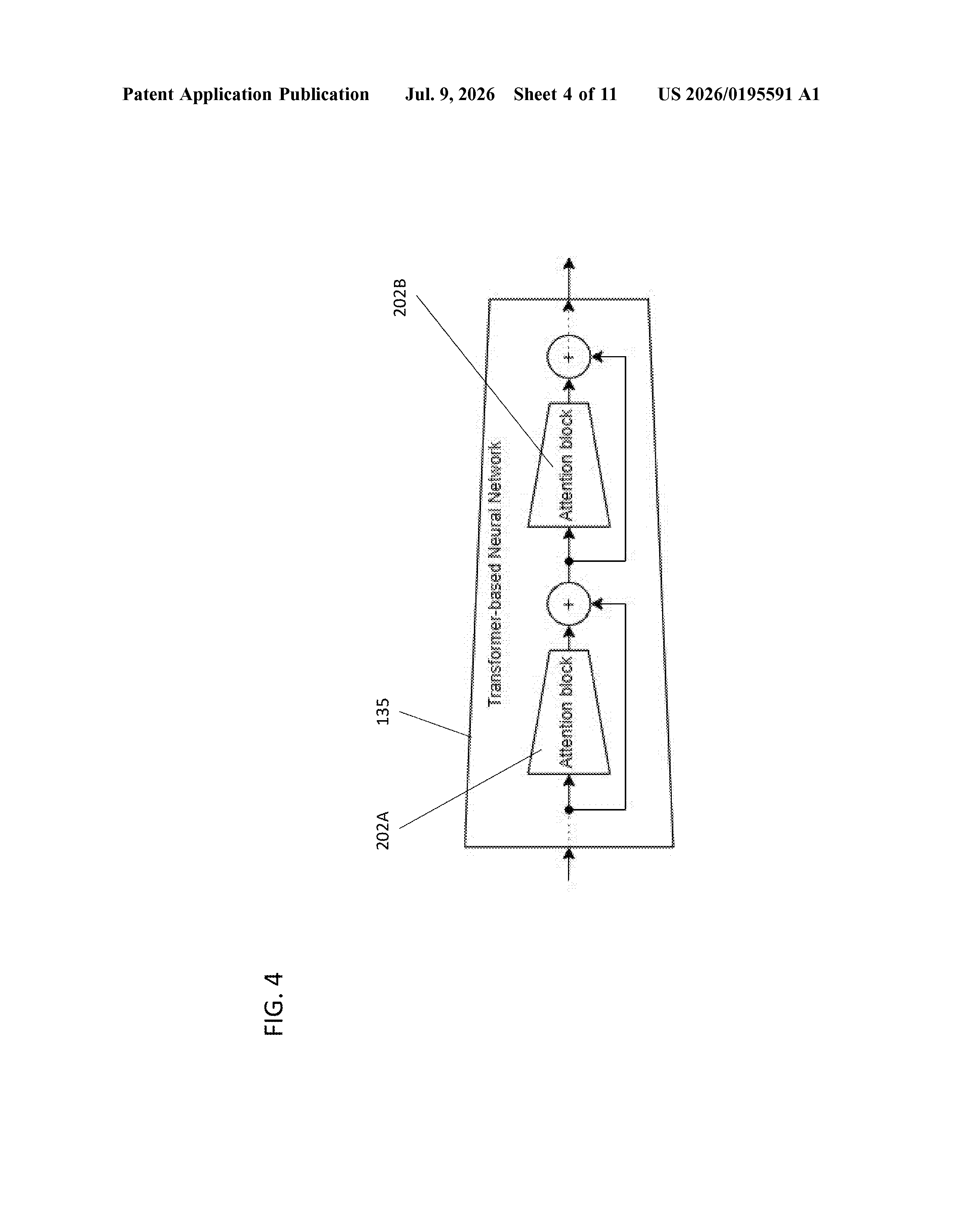
The patent centers on a class of AI model called a transformer, which processes data by breaking it into small chunks called tokens and deciding how much each token should "attend" to the others. Transformers are behind most modern AI, from text chatbots to image classifiers.
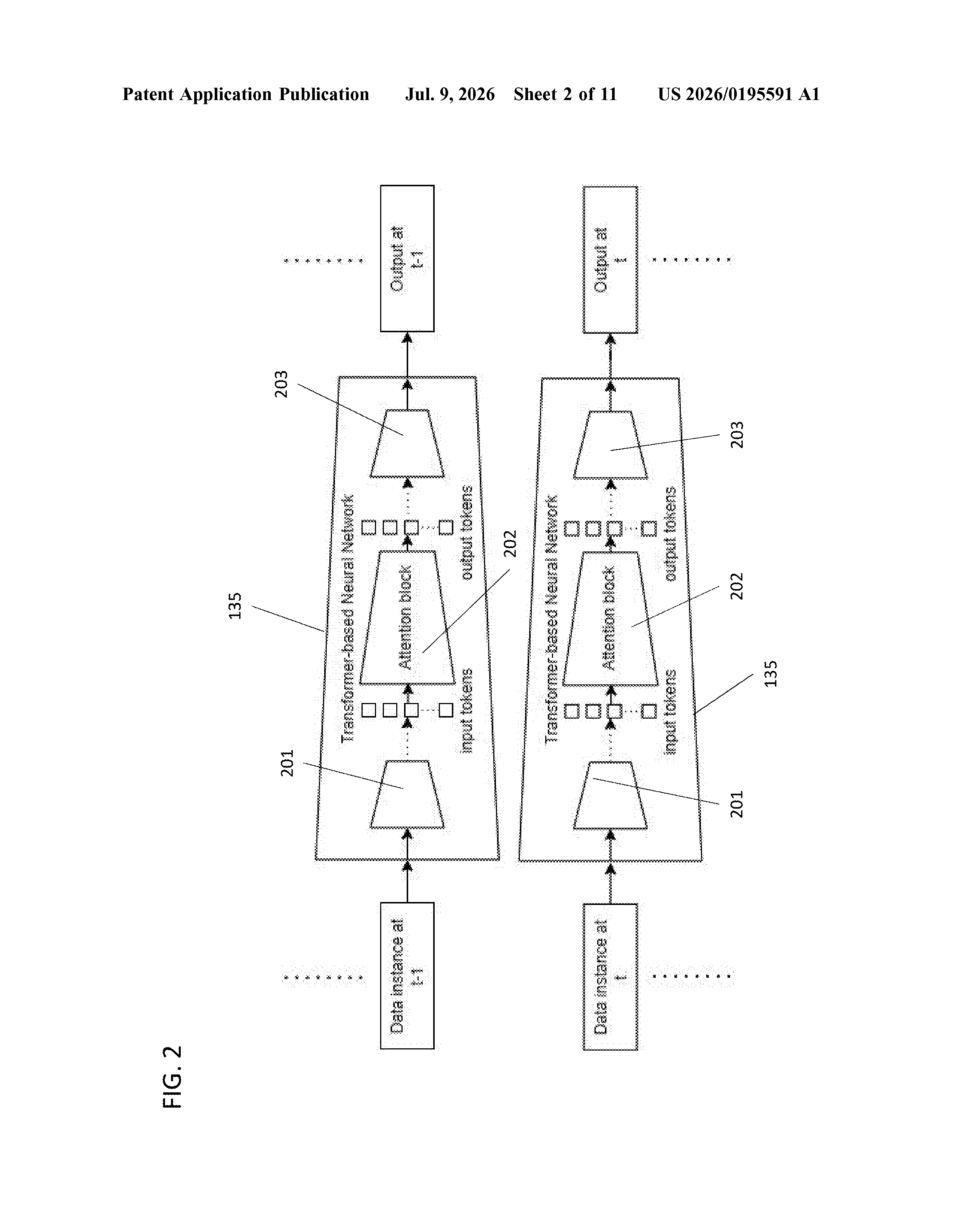
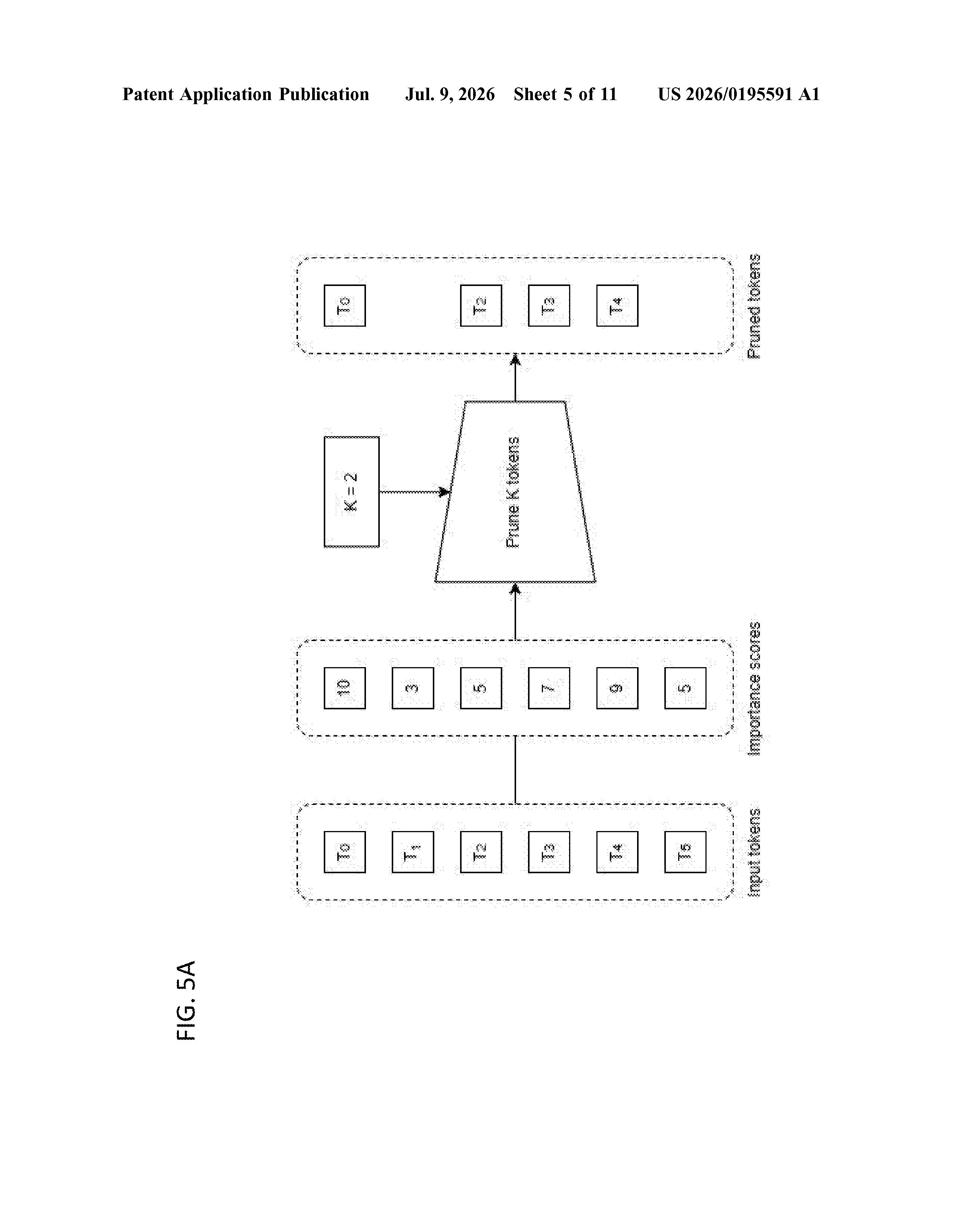
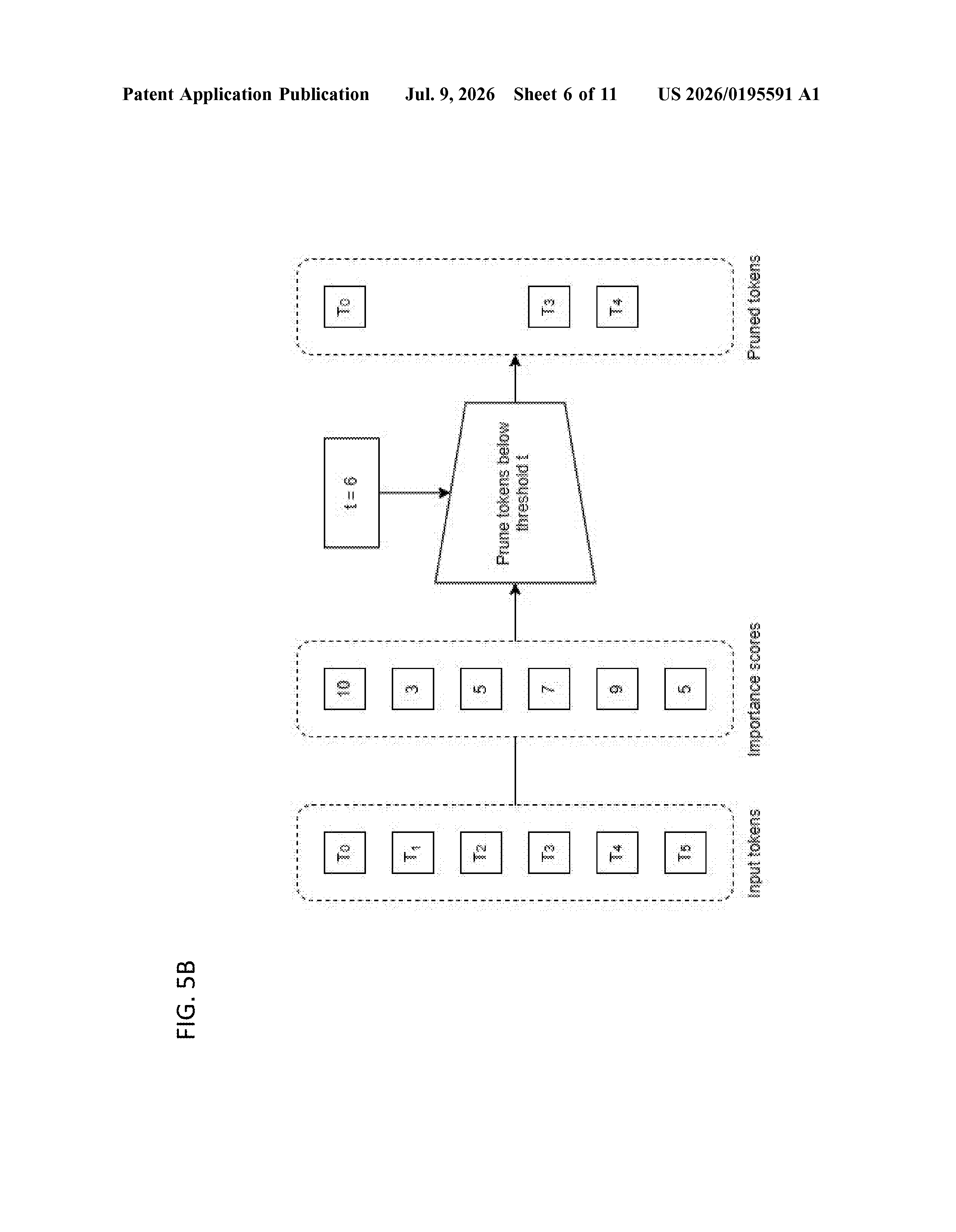
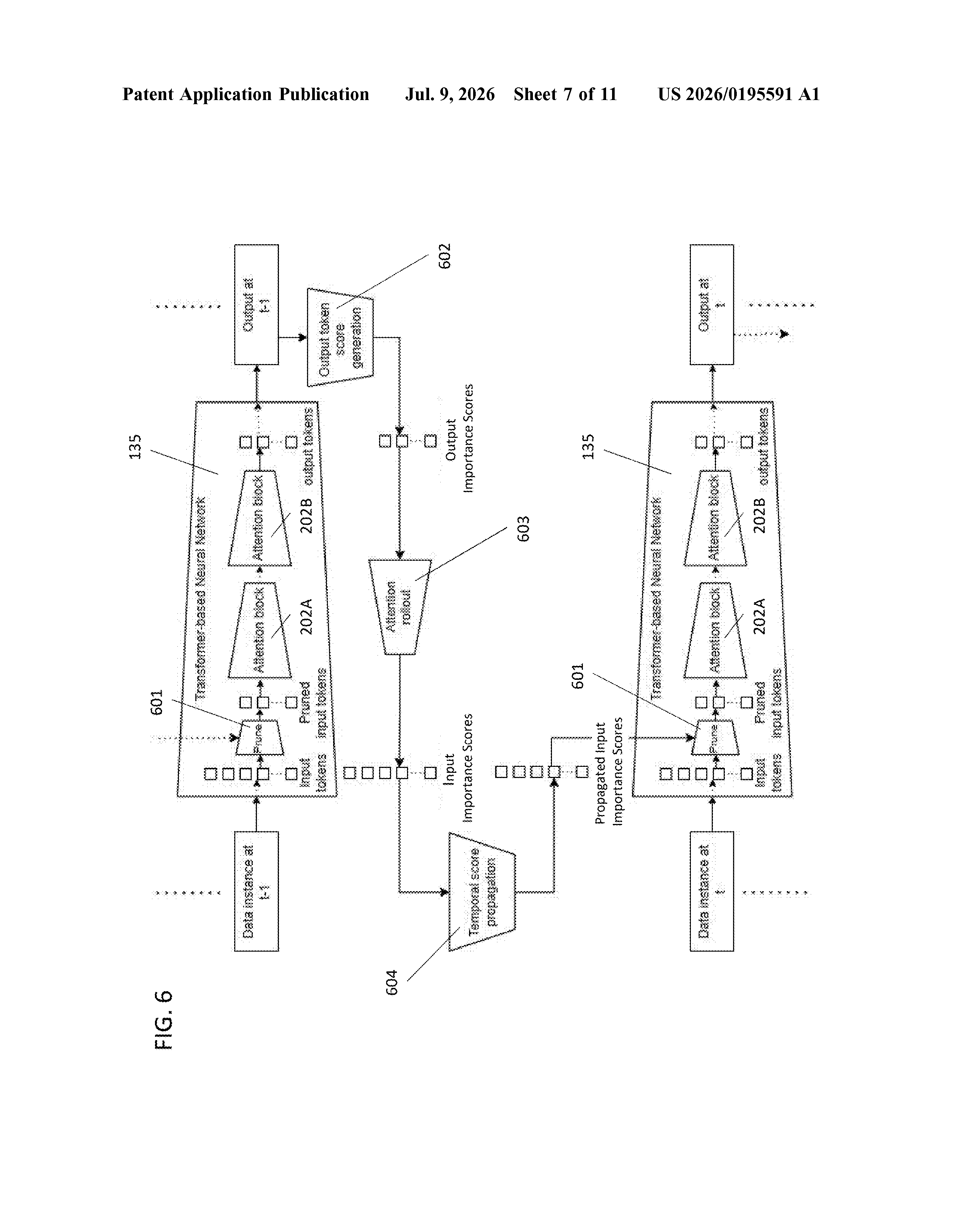
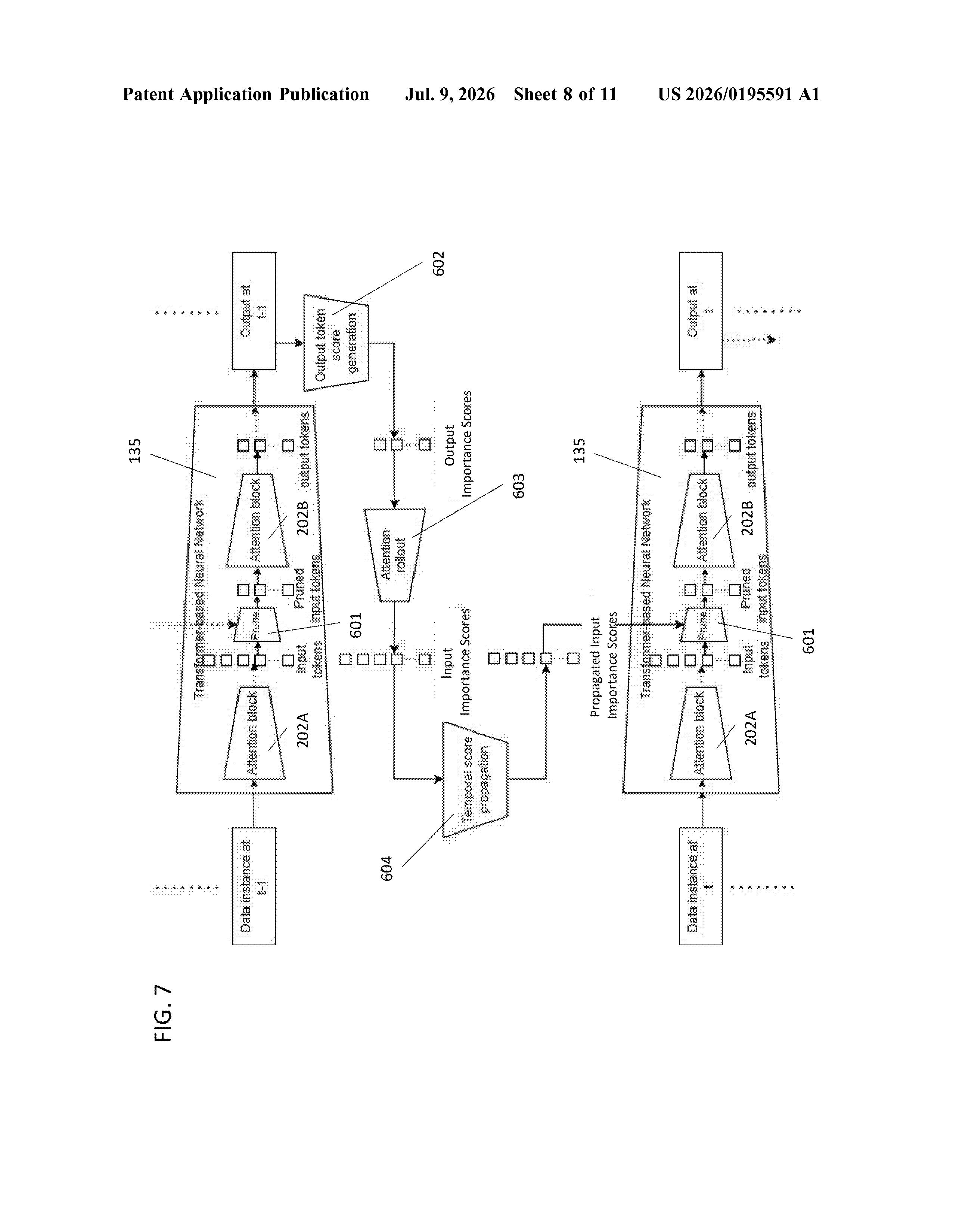
When processing sequential data like video, the model normally evaluates every token in every frame from scratch. Samsung's approach adds a step called temporal propagation of attention rollout: after the model scores how important each token in frame one is, those scores are carried forward to frame two as a starting estimate. The second frame's tokens are then pruned (trimmed down) based on those inherited scores, so only the tokens most likely to matter are actually processed.
The key steps in the patent's claimed process are:
- Process frame one through the attention block and collect output tokens
- Work backwards to assign importance scores to the input tokens that produced those outputs
- Carry those input scores forward to the next frame as a prior estimate
- Drop low-scoring tokens from the next frame before feeding it to the model
- Run the reduced token set through the same attention block to get frame two's results
The net effect is that the model does less computation per frame for sequential inputs, because it exploits the temporal continuity that video and sensor streams naturally have.
What this means for on-device AI in Samsung hardware
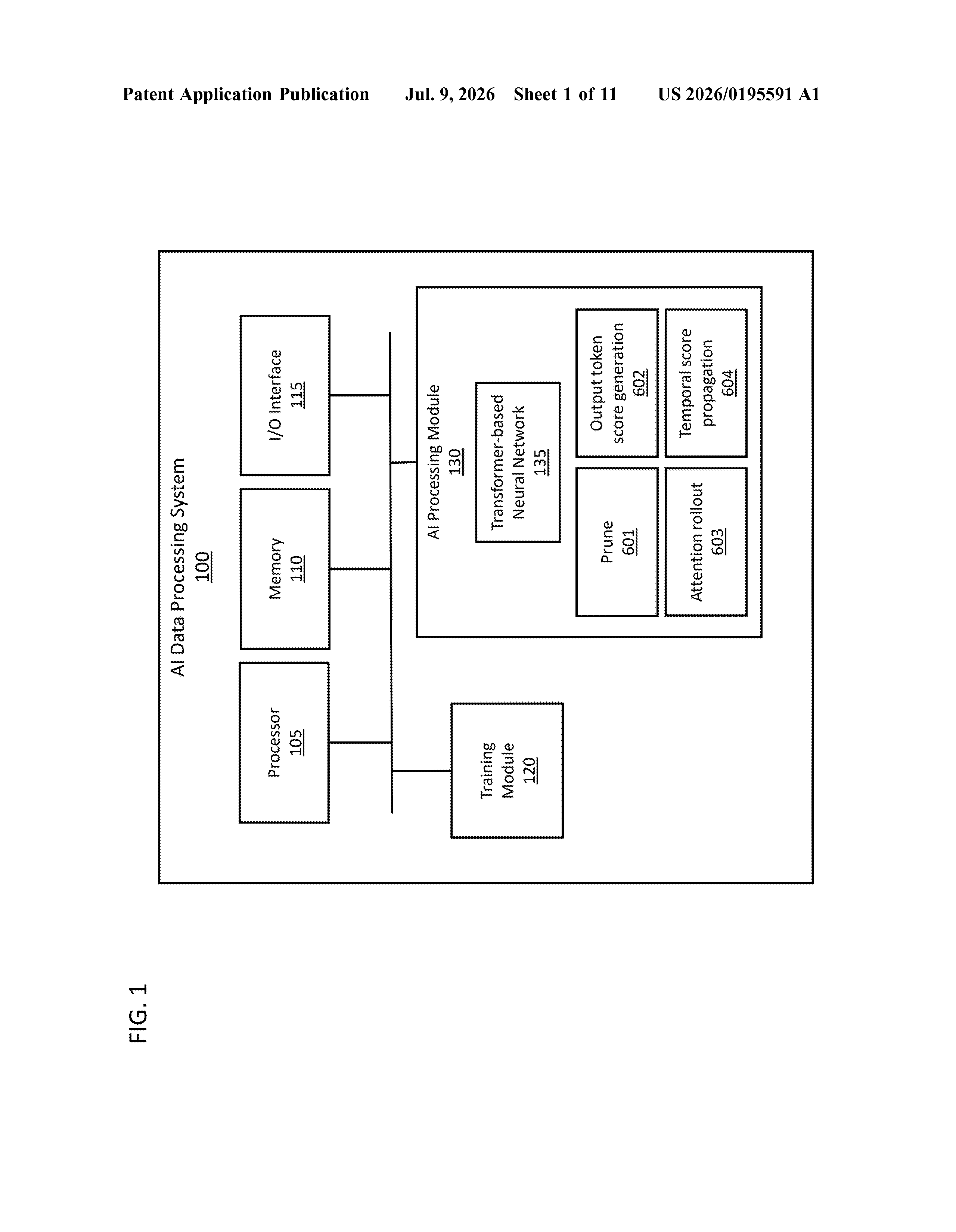
For Samsung, the practical target is the AI chips inside its Galaxy phones, tablets, and possibly smart TVs or wearables. Running transformer models on-device is power-hungry, and token pruning is one of the most direct ways to reduce that cost without swapping in a smaller model. A system that reuses work across frames is especially well-suited to video tasks like scene understanding, gesture recognition, or real-time object detection.
More broadly, inference efficiency (making AI faster and cheaper to run after it's trained) is one of the hottest areas in the industry right now. This patent slots into that race. Whether it outperforms existing pruning methods at real-world accuracy levels is the question that lab benchmarks would have to answer.
This is a focused, engineering-level patent solving a real problem: transformer models are heavy, and running them on video frame-by-frame is wasteful when frames are so similar to each other. The idea of propagating importance scores across time is clean and credible. It's not a broad strategic bet, but it's exactly the kind of incremental efficiency work that actually ships in firmware updates.
Get our take in your Top Stories
Liked this breakdown? Add Patentlyze as a preferred source on Google, and our plain-English take shows up more often in your Top Stories the next time Samsung patent news breaks.
There are more where this came from
We read every patent application Big Tech publishes and send you the ones worth knowing. Plain English, free, every week.
The drawings
11 drawing sheets from US 2026/0195591 A1 · click any drawing to enlarge
Want this weekly breakdown for a company we don't cover? Patentlyze Pro →