
IBM Patents an AI System That Sends Drones to Fight Fires With Sound
IBM has filed a patent for a system that uses AI to coordinate fleets of drones to fight fires, not with water or foam, but with targeted sound waves. It's a real physical phenomenon, and IBM wants to automate the entire operation.
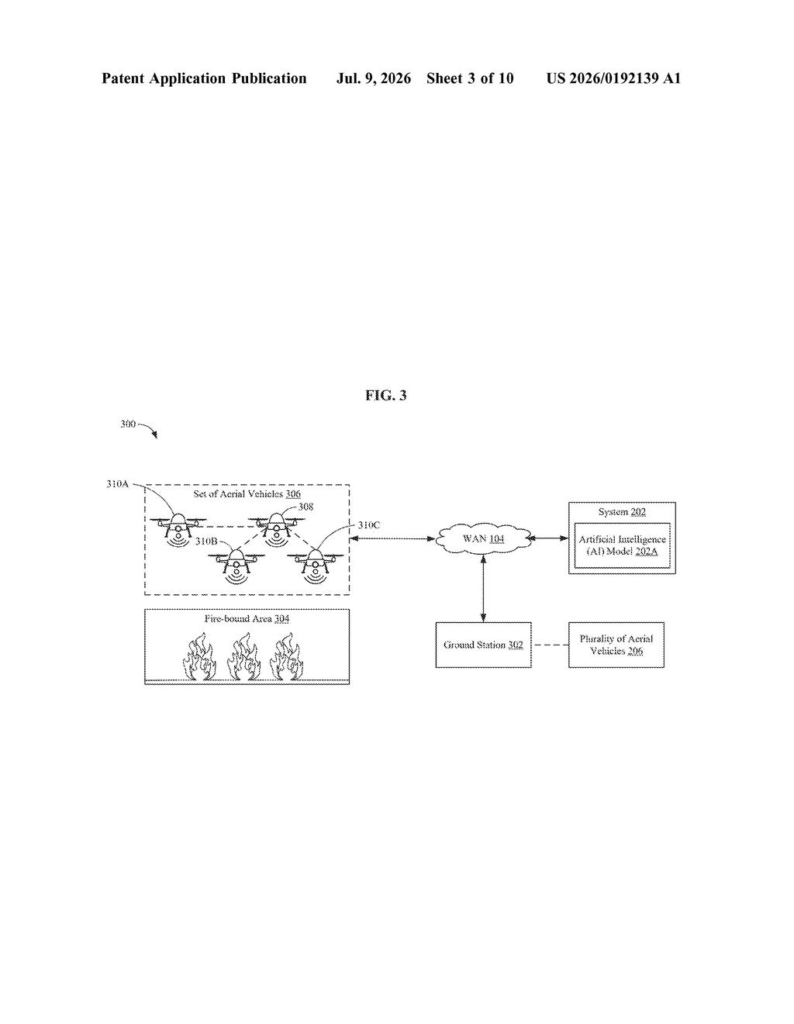
How IBM's sound-based drone firefighting actually works
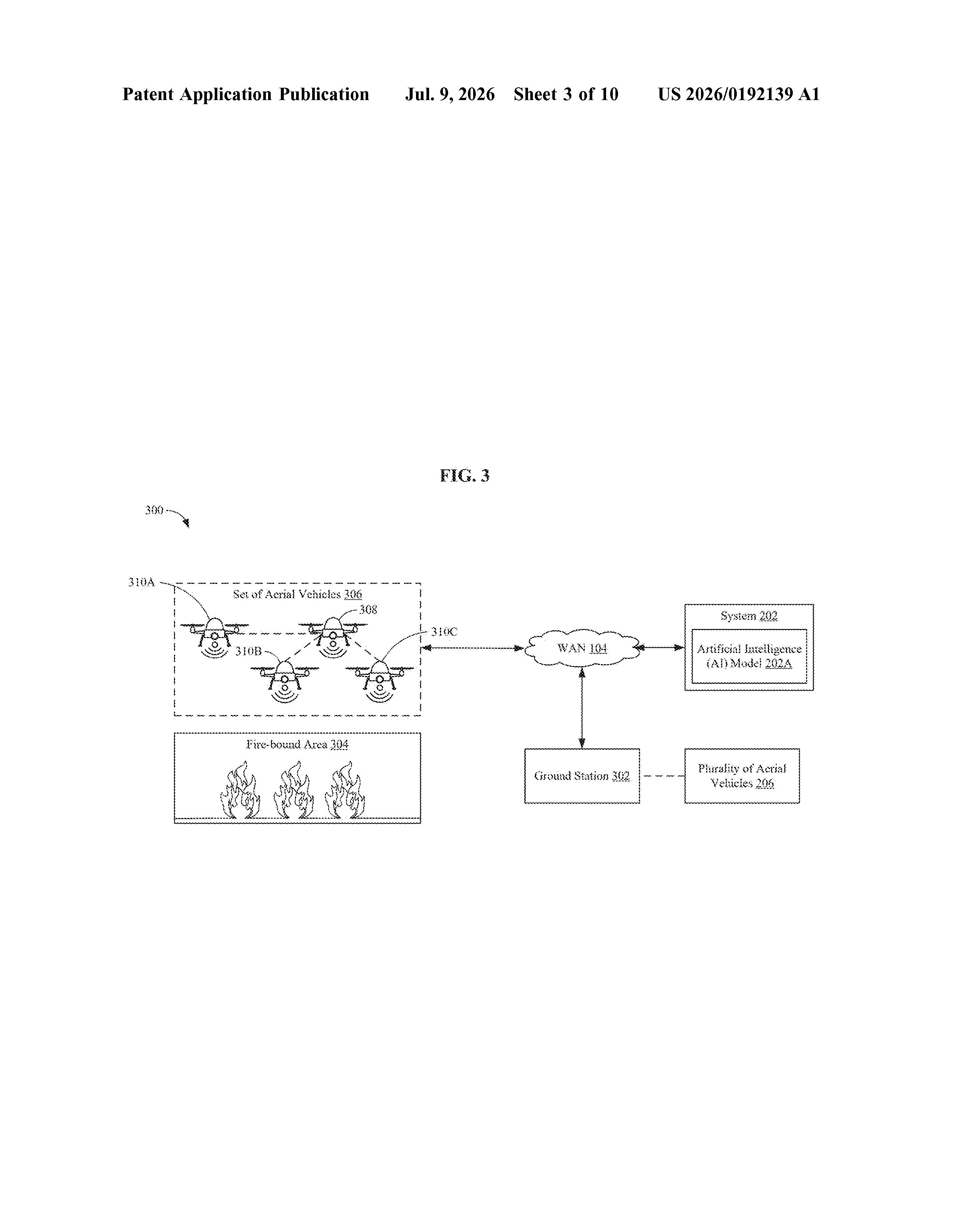
Imagine a wildfire starting in a canyon where fire trucks can't get close. Instead of waiting for water-dropping helicopters, a fleet of drones flies in and aims sound waves directly at the flames until they go out. That's the core idea here.
Sound waves can physically disrupt the oxygen flow that keeps a fire burning. It's not science fiction: researchers have demonstrated it in lab settings. What IBM is patenting is the coordination layer, the AI brain that decides how many drones to send, where each one should hover, and at what frequency and volume each drone should operate, all based on real-time data about the fire's size, location, and the surrounding environment.
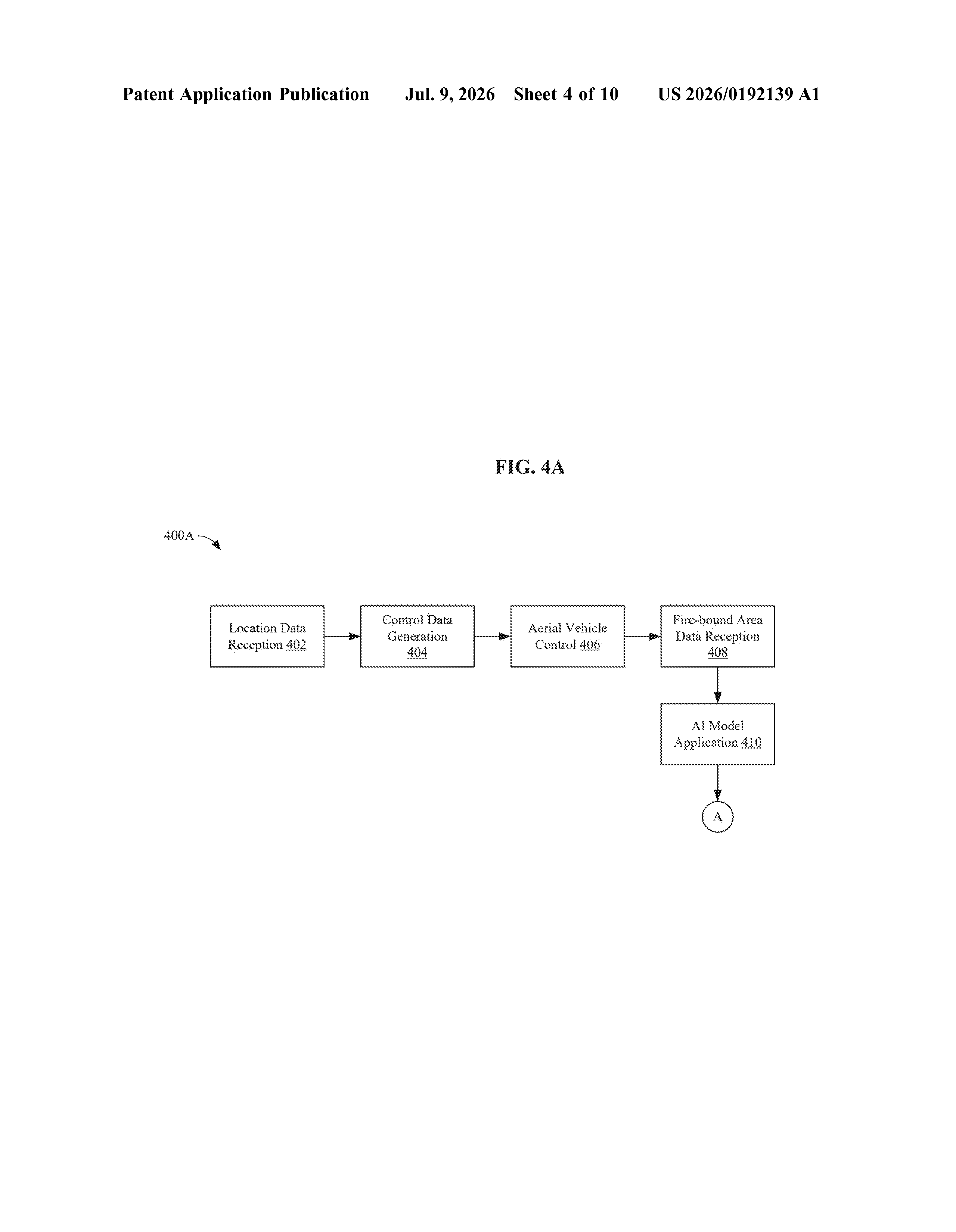
You feed the system image data, weather conditions, GPS coordinates, and a read on how intense the fire is. The AI processes all of that and spits out a specific set of instructions for each drone in the fleet. Each drone gets its own assignment, and they work together to acoustically overwhelm the fire.
How the AI picks drone count, position, and sound output
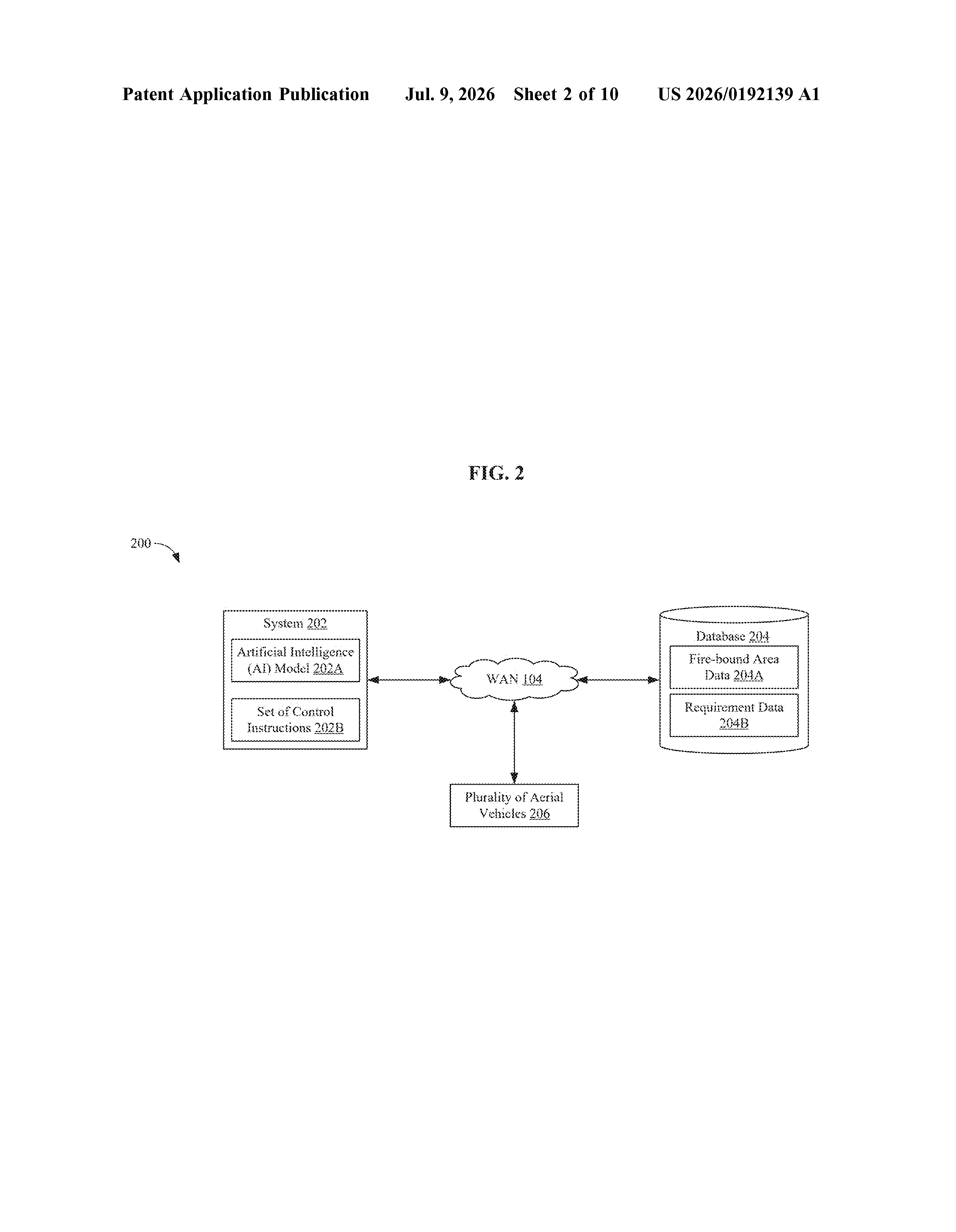
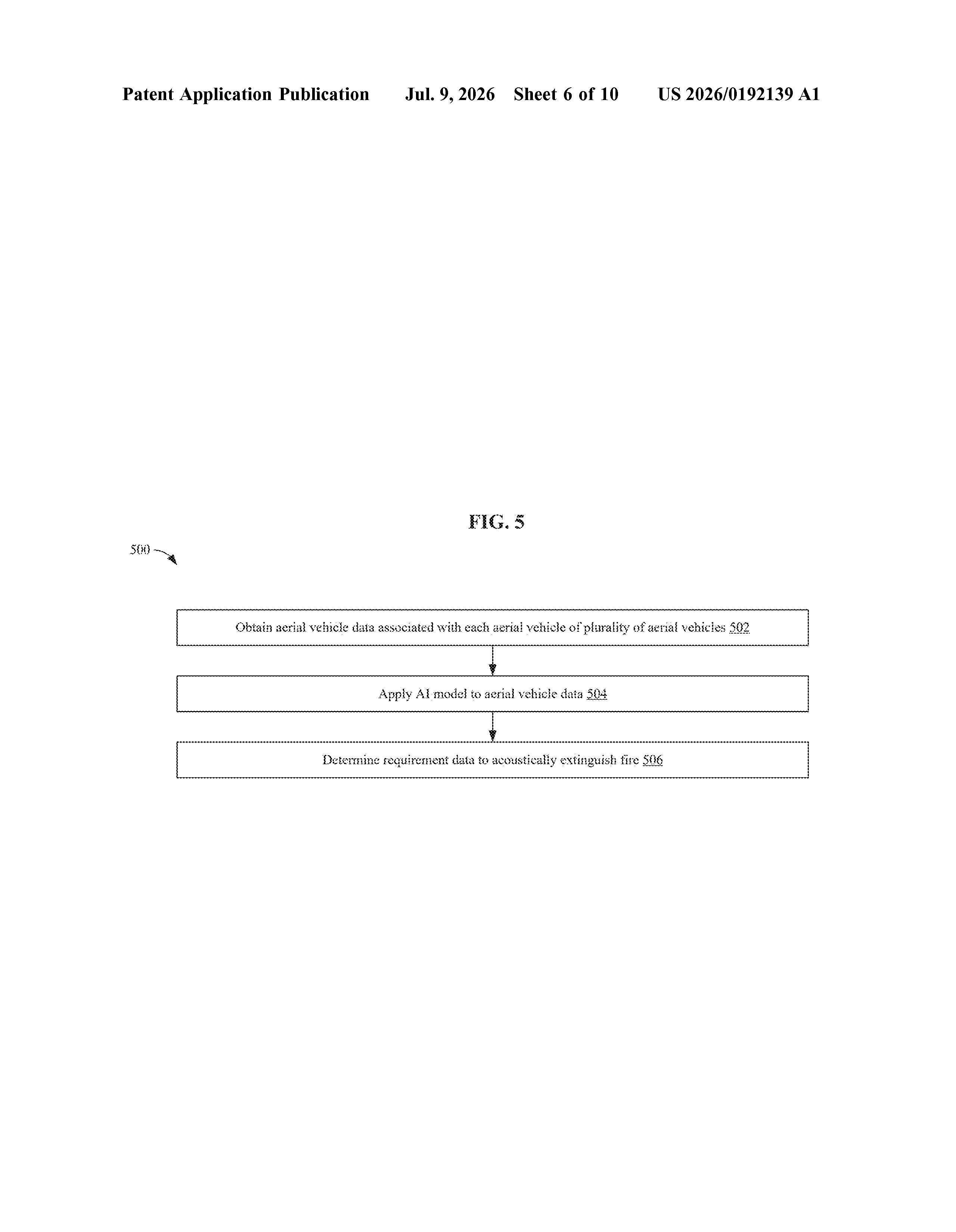
The patent describes a computer system that ingests four types of data about an active fire: image data (visual feeds of the fire), environment data (wind speed, humidity, temperature), geospatial data (GPS coordinates and terrain maps), and fire magnitude data (an estimate of the fire's intensity and spread).
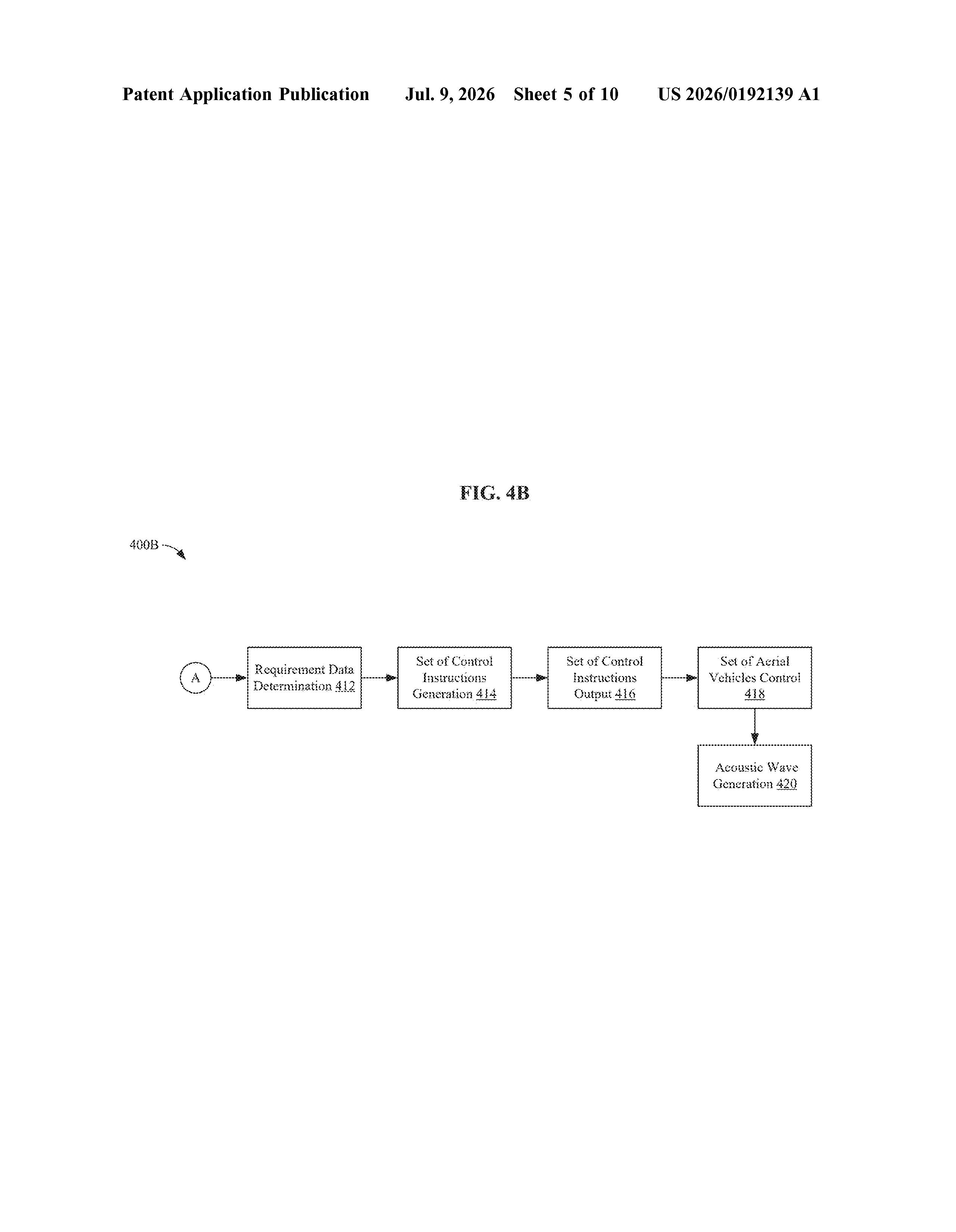
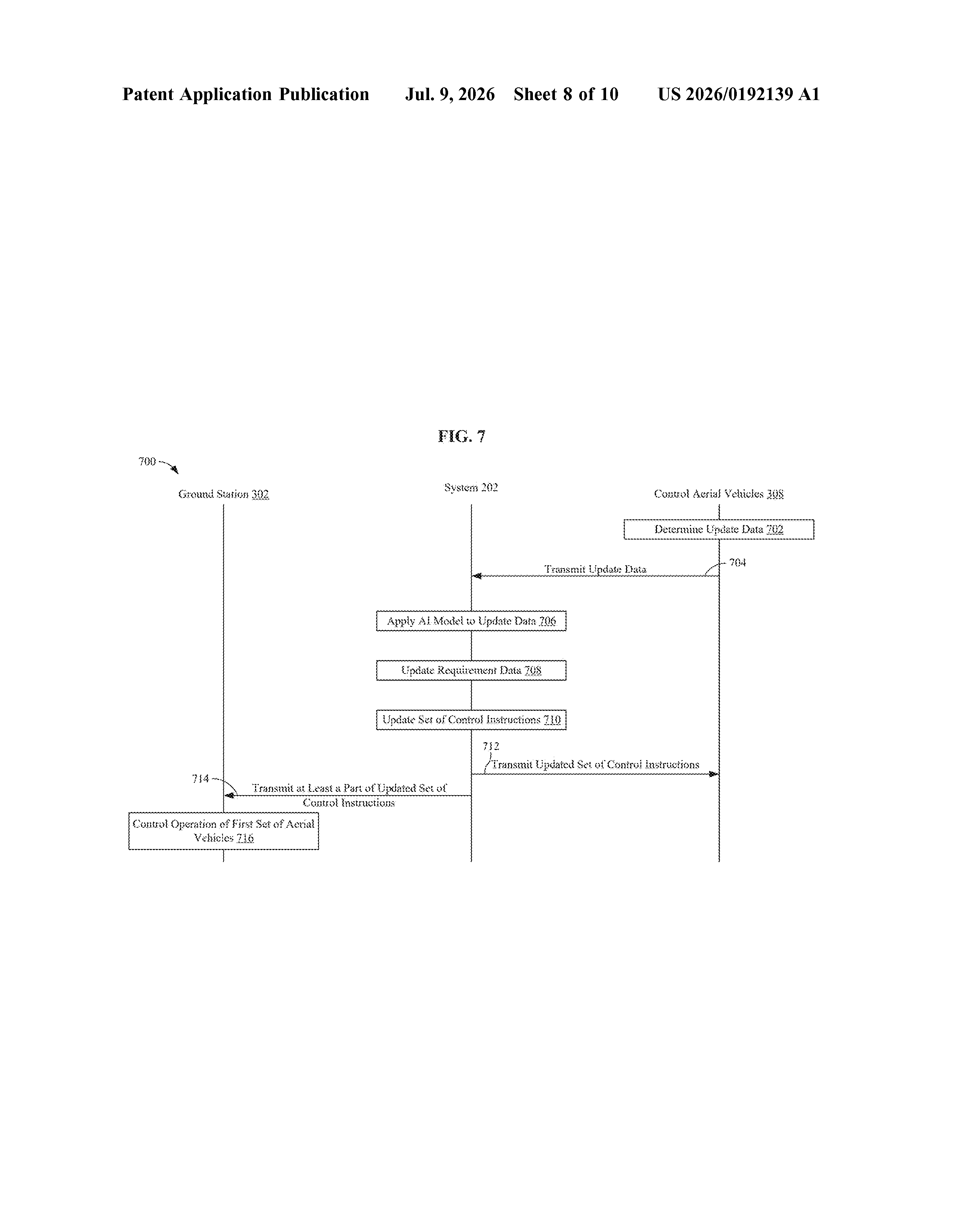
An AI model processes all of this together and outputs what the patent calls "requirement data", essentially a mission plan. That plan specifies:
- How many drones from the available fleet should be deployed
- Where each drone should position itself relative to the fire
- What acoustic parameters each drone should operate at (think frequency and amplitude of sound output)
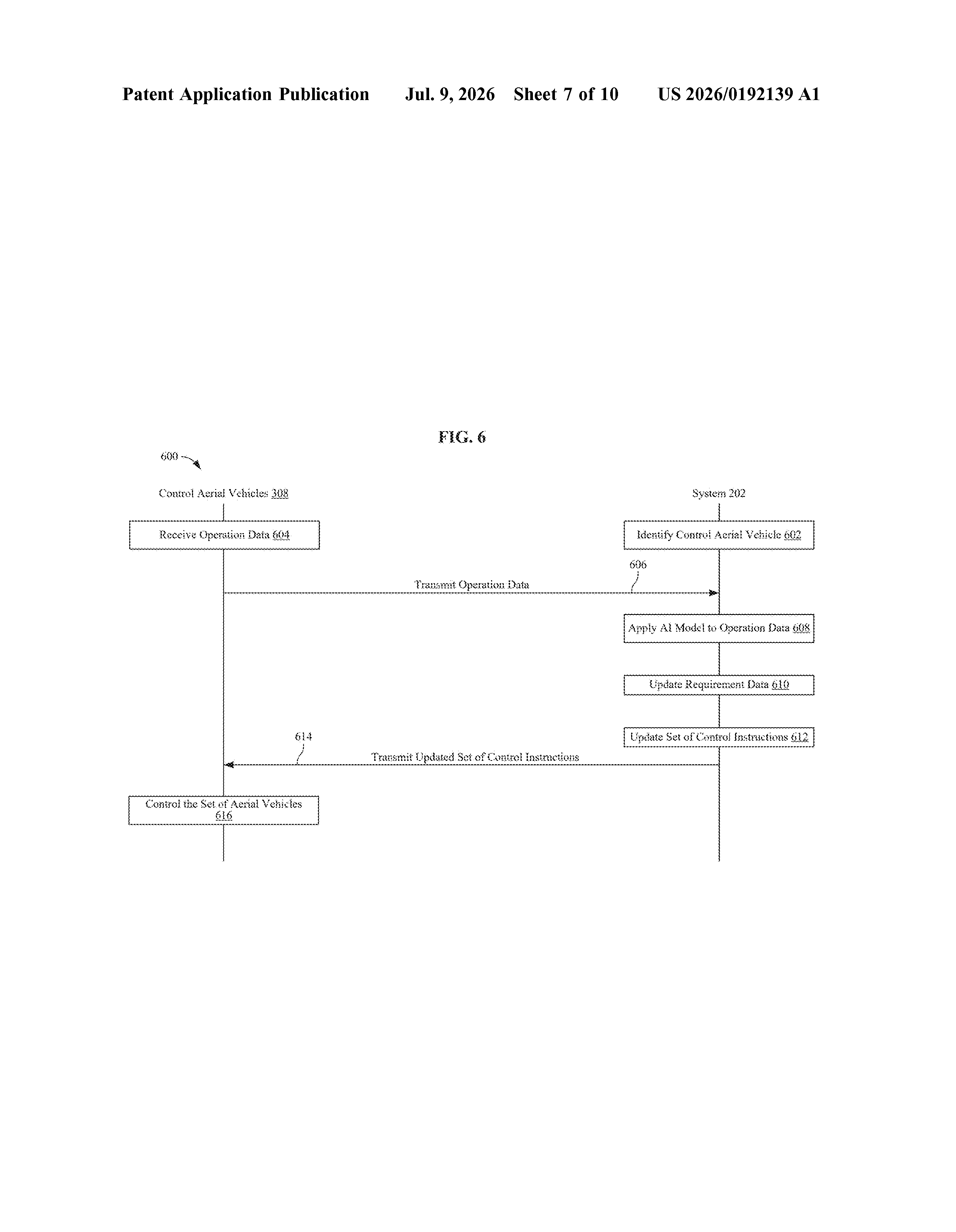
The system then generates a set of control instructions tailored to each individual drone and transmits them. The drones act as a coordinated array of acoustic emitters, working together to direct sound energy at the fire's base where it can disrupt the combustion process.
The patent does not prescribe a specific AI architecture, leaving room for the model to be trained or updated as more fire-response data becomes available.
What this means for fighting fires in hard-to-reach places
Water and chemical retardants are heavy, require resupply logistics, and can be impossible to deliver in certain terrain types like dense forests, high-rise buildings, or chemical plants where water causes secondary damage. A drone-based acoustic system carries none of those constraints. You don't run out of sound.
For IBM, this patent signals an interest in applying AI orchestration to physical, real-world emergency response, not just enterprise software. Whether this ever becomes a product depends heavily on advances in drone acoustic hardware, but the coordination logic IBM is patenting is the kind of system that could plug into any future acoustic firefighting hardware, whoever builds it.
This is one of the more genuinely interesting IBM patents in recent memory. The underlying physics of acoustic fire suppression is real and documented, so IBM isn't patenting fantasy. What they're staking a claim on is the AI coordination layer, which is actually the hard part of making any multi-drone system work at scale. If acoustic drones ever become viable firefighting tools, this patent puts IBM in a position to matter in that space.
Get our take in your Top Stories
Liked this breakdown? Add Patentlyze as a preferred source on Google, and our plain-English take shows up more often in your Top Stories the next time IBM patent news breaks.
There are more where this came from
We read every patent application Big Tech publishes and send you the ones worth knowing. Plain English, free, every week.
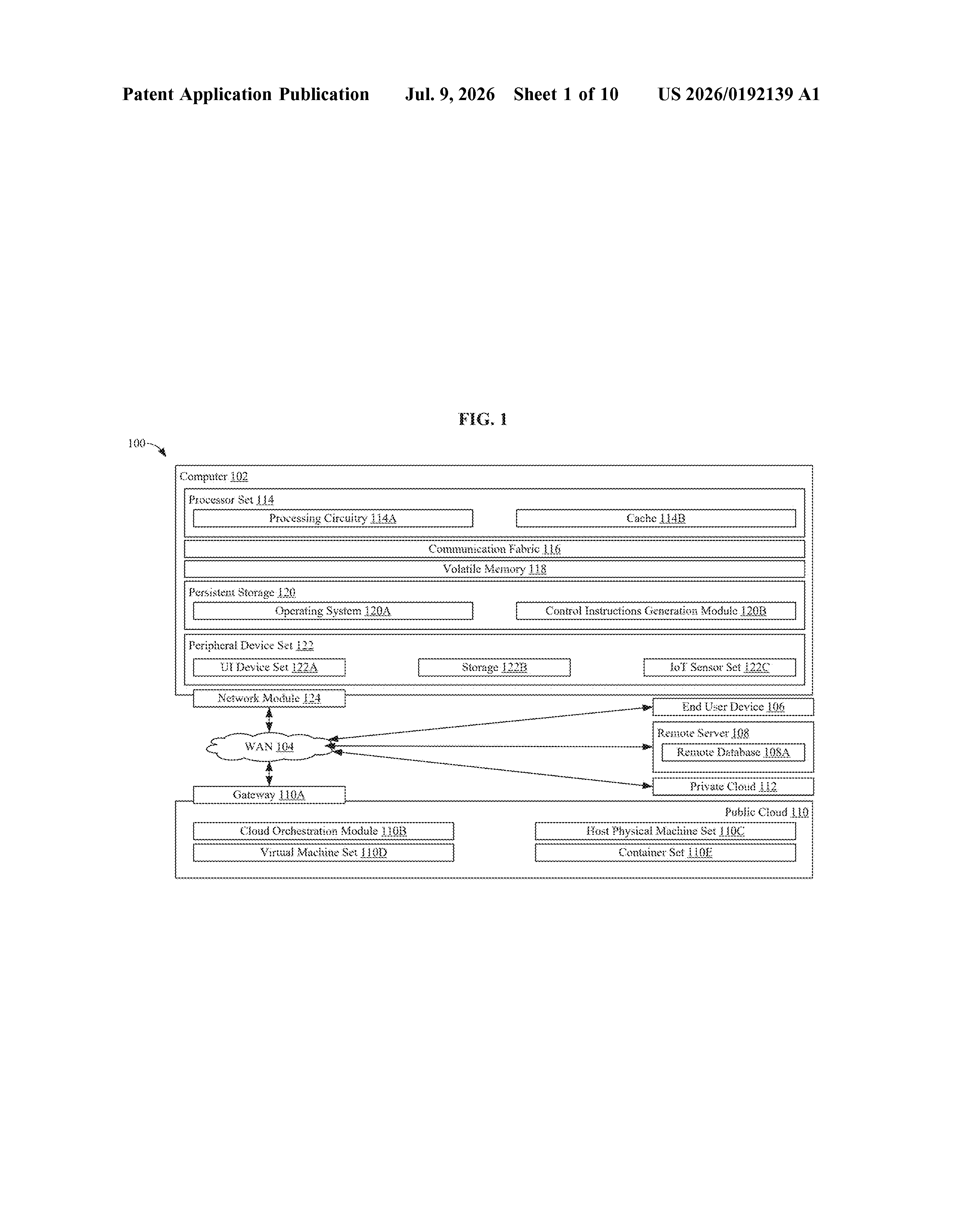
The drawings
10 drawing sheets from US 2026/0192139 A1 · click any drawing to enlarge
Want this weekly breakdown for a company we don't cover? Patentlyze Pro →