
ML System Dynamically Optimizes Payment Authorization Requests
Every declined payment is a lost sale — and Google thinks machine learning can fix that by dynamically tuning the payment request before it ever gets rejected.
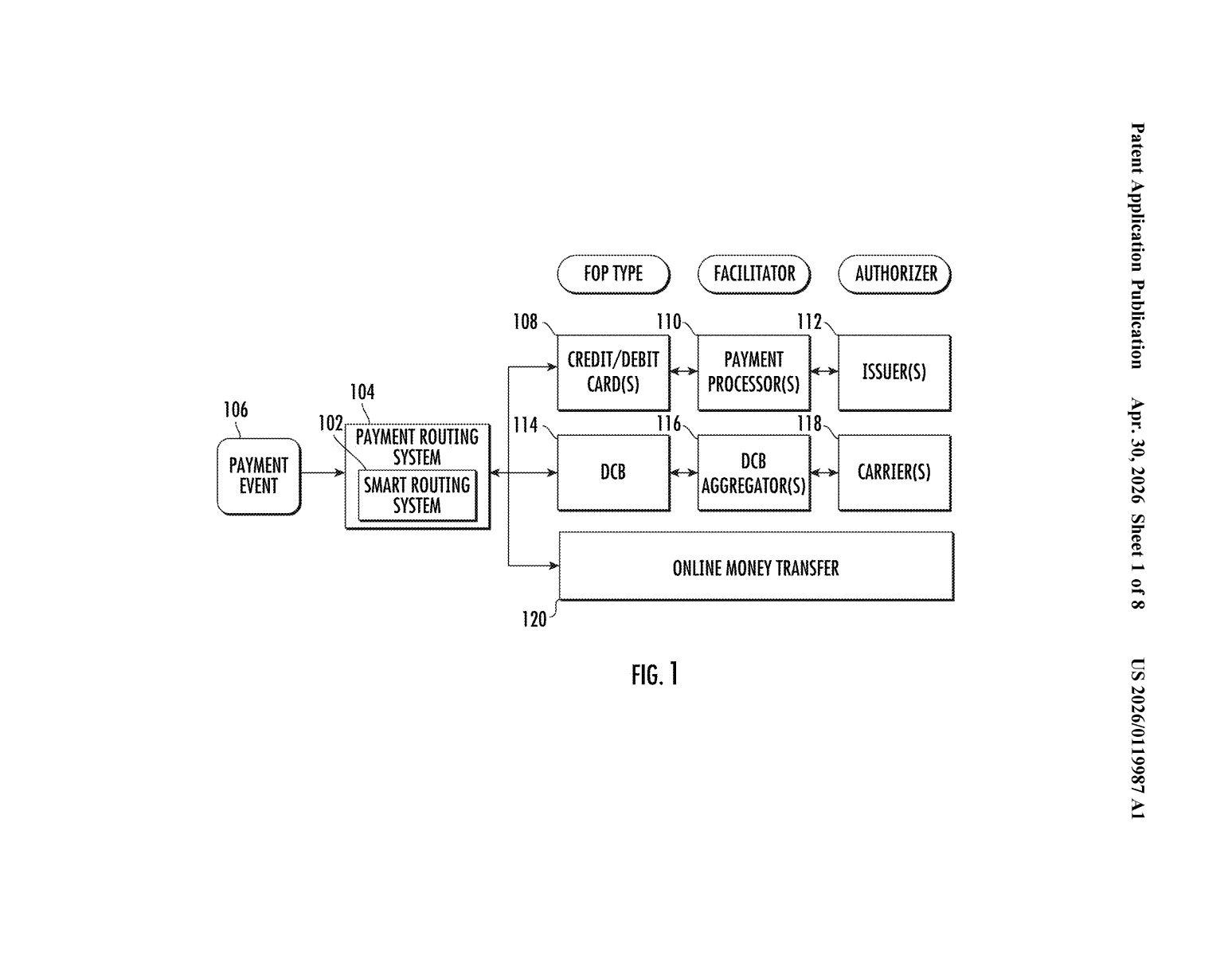
How Google's ML system stops your payment from failing
Imagine you're checking out online and your card gets declined — not because you don't have the money, but because some technical mismatch between the merchant's payment system and your bank caused the transaction to fail. It happens more than you'd think, and it costs merchants billions every year.
Google's new patent describes a system that uses machine learning to actively optimize payment requests before they're sent — choosing the best payment processor, tweaking things like merchant category codes and transaction types, and automatically retrying with adjusted parameters if the first attempt fails.
Think of it like a smart GPS that doesn't just find one route, but reroutes you in real time based on traffic — except for your payment. Instead of a static request that either works or doesn't, this system learns from historical transaction data and adjusts on the fly to give each payment the best possible shot at approval.
How the model picks processors and retries failed payments
The patent describes a payment authorization optimization system that sits between the merchant and the payment processor, using one or more machine-learned models to make real-time decisions on three fronts.
- Processor routing: The system selects which payment processor (think Visa, Mastercard networks, or specific acquiring banks) to route the authorization request to, based on predicted approval likelihood.
- Parameter optimization: Variable fields in the payment message — like merchant identification numbers, merchandise category codes (MCC), transaction type flags, and currency fields — can be dynamically adjusted. These codes might seem like background plumbing, but banks use them to decide whether a transaction looks legitimate.
- Automated retry strategy: If the first authorization attempt is declined, the system automatically generates and executes a retry plan with modified parameters, rather than simply failing.
The model draws on historical transaction data, policy rules, country codes, acquirer contracts, and customer-level attributes to inform each decision. The core insight is that payment authorization is not a single binary event — it's a tunable process with many levers, and ML is well-suited to learning which combinations work best for which contexts.
What this means for Google Pay and merchant checkout rates
Payment decline rates are a silent killer for e-commerce. Even a 1–2% improvement in authorization rates can translate to meaningful revenue recovery at scale — which is exactly the kind of infrastructure problem Google, with its Google Pay and commerce ambitions, has strong incentives to solve. Merchants using Google's payments infrastructure would be the direct beneficiaries, getting higher approval rates without changing anything on their end.
For you as a shopper, the visible effect would simply be fewer frustrating declines at checkout. But the bigger strategic picture is that Google is positioning its payments stack as smarter and more adaptive than commodity processors — a potential selling point for winning enterprise merchant relationships.
This is genuinely useful infrastructure work, not just a speculative AI filing. Payment decline optimization is a well-understood problem with real money attached to it, and applying ML to dynamically tune authorization parameters — rather than treating each request as a static black box — is a meaningful architectural improvement. The fact that Google is filing this now suggests it's actively building or refining this capability inside Google Pay.
There are more where this came from
We read every patent application Big Tech publishes and send you the ones worth knowing. Plain English, free, every week.
Want this weekly breakdown for a company we don't cover? Patentlyze Pro →