
Qualcomm Patents a Predictive System That Decides When to Kill Your Car's Engine
Start-stop systems that kill your engine at a red light are great for fuel economy — until they restart too slowly and you're already rolling. Qualcomm's new patent tries to fix that by predicting how long you'll actually be stopped before it decides to shut anything down.
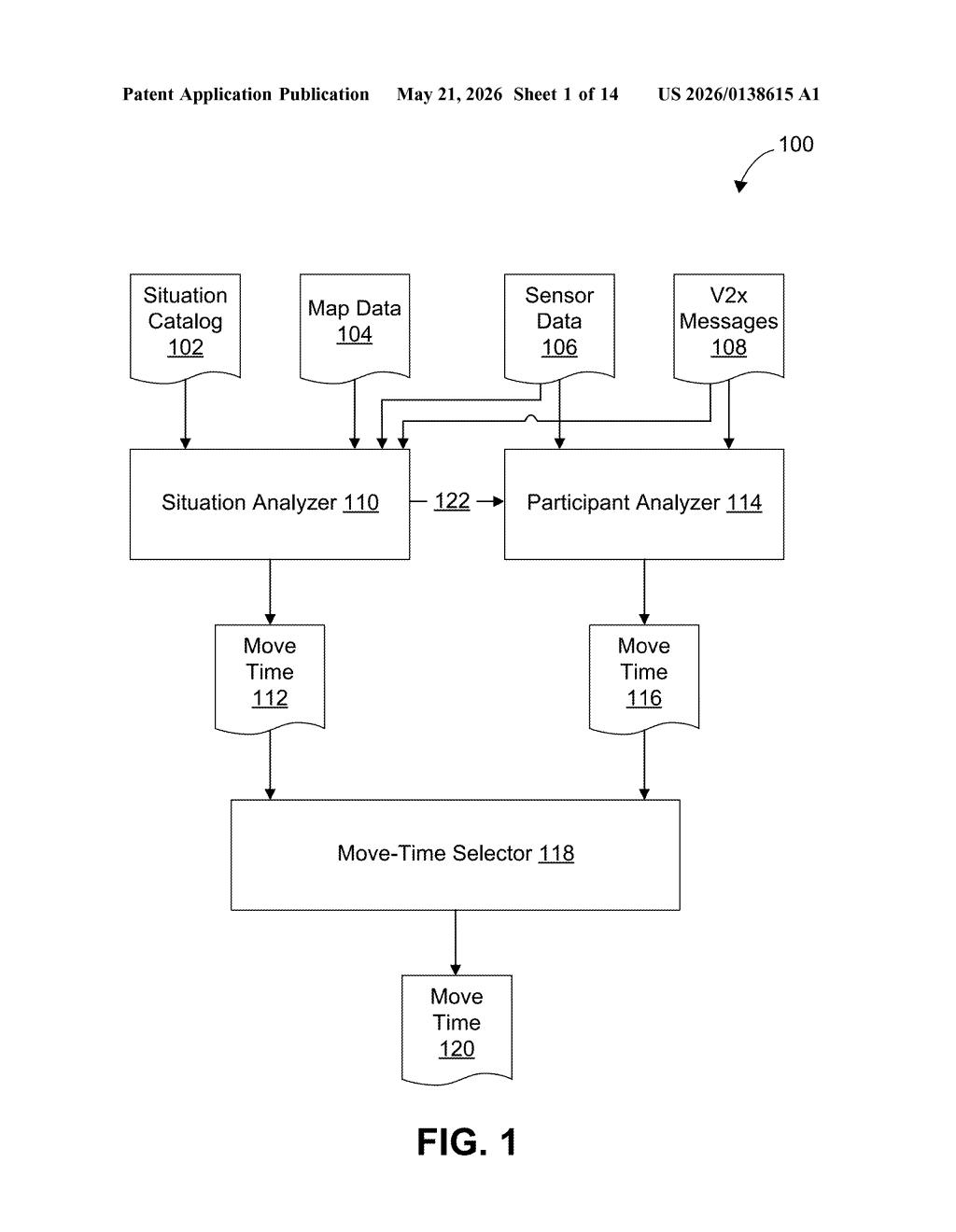
What Qualcomm's predictive idle-stop system actually does
Imagine you pull up to a red light. Your car's automatic start-stop system shuts off the engine to save fuel — but then the light turns green almost immediately, and there's a half-second lag while the engine cranks back to life. That hesitation is annoying at best, and a safety concern at worst.
Qualcomm's patent describes a system that tries to get ahead of that problem. Instead of blindly shutting the engine off every time you stop, it predicts how soon you'll need to accelerate again. If the predicted wait time is too short to make an engine shutdown worthwhile — accounting for both the time to shut down and the time to restart — it simply keeps the engine running.
The system uses sensor data and a "participant analyzer" to estimate your upcoming move time. Think of it like a cost-benefit calculator running in the background: is there enough time saved to justify the restart delay? If not, it overrides the idle-stop feature entirely.
How the processor calculates the engine-off duration window
The core of the patent is a real-time decision engine that weighs three values before allowing an idle-stop shutdown:
- Engine-shutdown duration — how long it takes to fully power down the engine
- Engine-startup duration — how long it takes to restart it
- Predicted move time — an estimate of when the vehicle will next need to accelerate
From these, the system calculates an engine-off duration: essentially, a projection of how long the engine would actually be off if it were shut down right now. That figure is then compared against a configurable engine-off threshold — a minimum window below which shutting down isn't worth it.
If the projected off-time falls below that threshold, the processor blocks the idle-engine shutdown feature from firing. The engine stays on.
The prediction side relies on a "Participant Analyzer" module pulling in sensor data — likely traffic signals, GPS context, surrounding vehicle behavior, or some combination — to feed a "Move-Time Selector" that outputs the predicted acceleration time. The patent doesn't lock in a specific sensor suite, which keeps the design flexible across different vehicle platforms.
What this means for start-stop technology in modern vehicles
Start-stop systems have been standard on new vehicles for years, but driver complaints about restart lag haven't gone away. Adding intelligence to when the system activates — rather than triggering blindly on every stop — could meaningfully improve both the feel and real-world fuel savings of the technology. A system that avoids a pointless shutdown-then-restart cycle within a two-second window actually saves more energy than one that shuts down every time.
For Qualcomm, this fits into its broader push into automotive compute platforms (Snapdragon Ride). If this logic runs on an in-vehicle SoC rather than a dedicated ECU, it's a useful argument that general-purpose automotive chips can handle safety-adjacent powertrain decisions — expanding Qualcomm's footprint beyond infotainment and connectivity.
This is a real, practical improvement on a technology that already exists in millions of cars but still frustrates drivers daily. It's not flashy IP — there's no AI model training or novel sensor fusion magic here — but the core insight (that a shutdown only makes sense if the engine will actually stay off long enough) is the right problem to solve. Whether Qualcomm ships this in a Snapdragon Ride platform or licenses it to a Tier-1 supplier, it has clear commercial utility.
There are more where this came from
We read every patent application Big Tech publishes and send you the ones worth knowing. Plain English, free, every week.
Want this weekly breakdown for a company we don't cover? Patentlyze Pro →