
IBM Patents a Real-Time Map That Shows Nearby Self-Driving Cars to Pedestrians
If a self-driving car is about to roll through your neighborhood, should you be able to see it coming? IBM thinks so, and has filed a patent for a system that does exactly that.
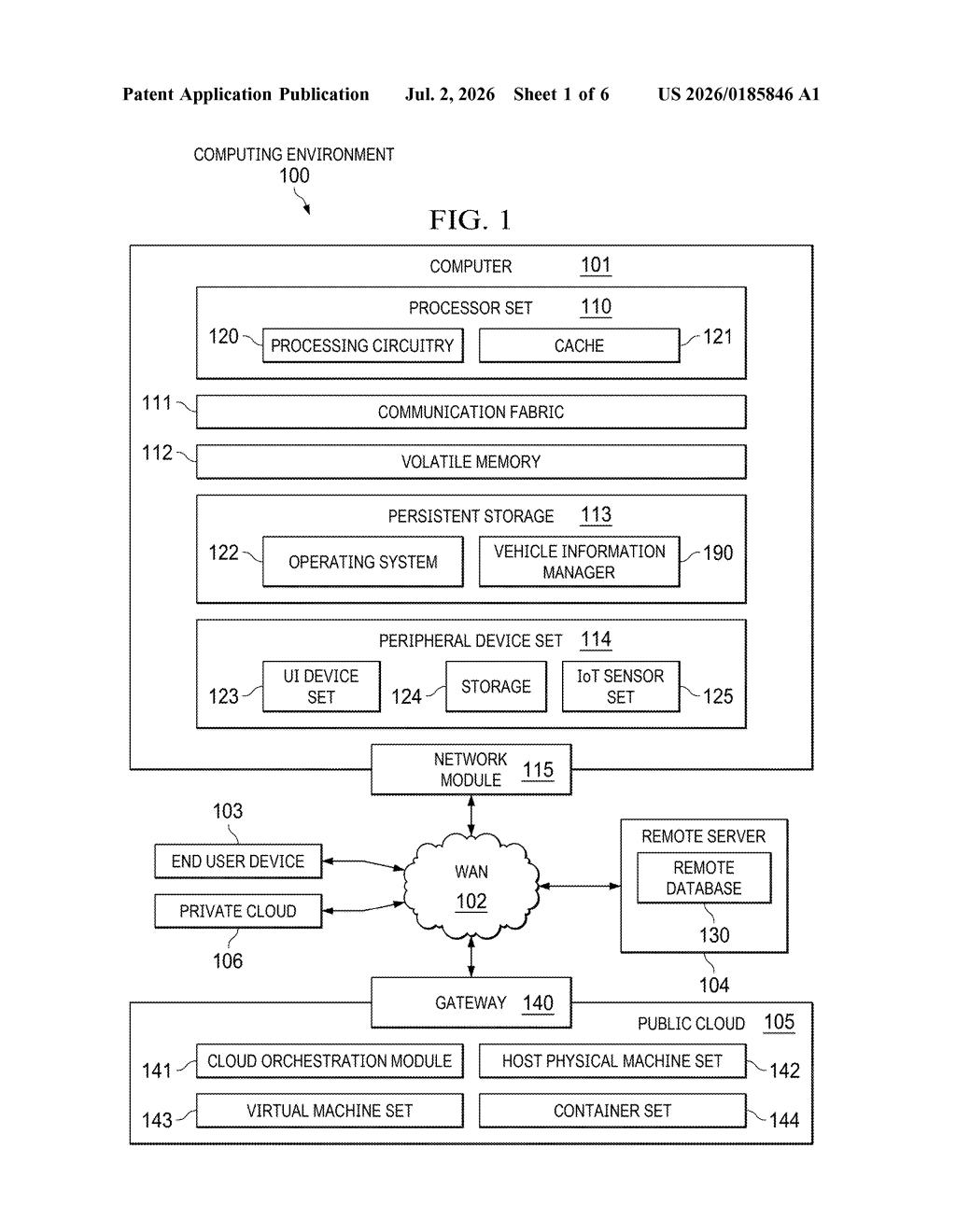
What IBM's self-driving car tracker actually does
Imagine you're waiting to cross a street and you want to know if any self-driving cars are nearby. IBM's patent describes a system that collects live location and operation data from a fleet of autonomous vehicles and plots them on a digital map, showing that map only to people who are physically close to those vehicles.
The data is anonymized, meaning the system doesn't track individual car owners or passengers. Instead, it focuses on where the vehicles are and what they're doing operationally, pulling that information through connected sensors on the vehicles and sending it to a central computer.
The end result is something like a live radar screen for self-driving cars in your area. People within a certain distance get access to the map; people farther away don't. It's a privacy-aware approach to making autonomous vehicle activity more visible to the public.
How IBM collects and maps live vehicle data
The system works in four steps. A central server determines what kind of data needs to be gathered from a fleet of autonomous vehicles, then collects that data in real time through IoT (Internet of Things) devices built into each car. IoT devices are the small connected sensors and transmitters that let physical objects send data over the internet.
The collected data is anonymized, meaning it's stripped of personally identifying information before it ever reaches the server. The system cares about vehicle locations and operational status, not about who's inside.
That data feeds into a digital map that shows where each vehicle is at any given moment. The map is then pushed out to users, but with a geographic filter: only people within a predefined proximity (a set distance radius) to the vehicles actually receive the map display.
The patent doesn't specify the exact interface for viewing the map, but the claim implies an app or screen-based display. The proximity filter is the key design choice here: it limits who sees what based on physical location, which addresses both privacy and relevance.
What this means for self-driving car transparency
As self-driving cars move into more cities, one persistent concern from the public is a lack of visibility into where these vehicles are and what they're doing. A system like this could give pedestrians, cyclists, or local residents a simple way to know when autonomous vehicles are operating near them, without requiring the vehicle operators to expose sensitive fleet or passenger data.
For IBM, this fits into a broader push to make AI and automation systems more transparent and accountable. Whether this becomes a product or gets folded into a city-infrastructure offering isn't clear from the patent alone, but the core idea (public awareness layers for autonomous fleets) is one regulators and transit authorities are increasingly asking about.
This is a practical, sensible patent rather than a flashy one. The proximity-based map idea is straightforward, but the detail that matters most is the anonymization requirement baked into the core claim. IBM is essentially arguing that public transparency and data privacy aren't in conflict here, which is a useful position as cities start writing rules for autonomous vehicle deployments.
Get our take in your Top Stories
Liked this breakdown? Add Patentlyze as a preferred source on Google, and our plain-English take shows up more often in your Top Stories the next time IBM patent news breaks.
There are more where this came from
We read every patent application Big Tech publishes and send you the ones worth knowing. Plain English, free, every week.
Want this weekly breakdown for a company we don't cover? Patentlyze Pro →