
Samsung Patents a Voice Assistant That Catches and Corrects Its Own Mistakes
Samsung is patenting a voice assistant that doesn't just answer your question — it then checks whether that answer was right, and quietly replaces it if it wasn't.
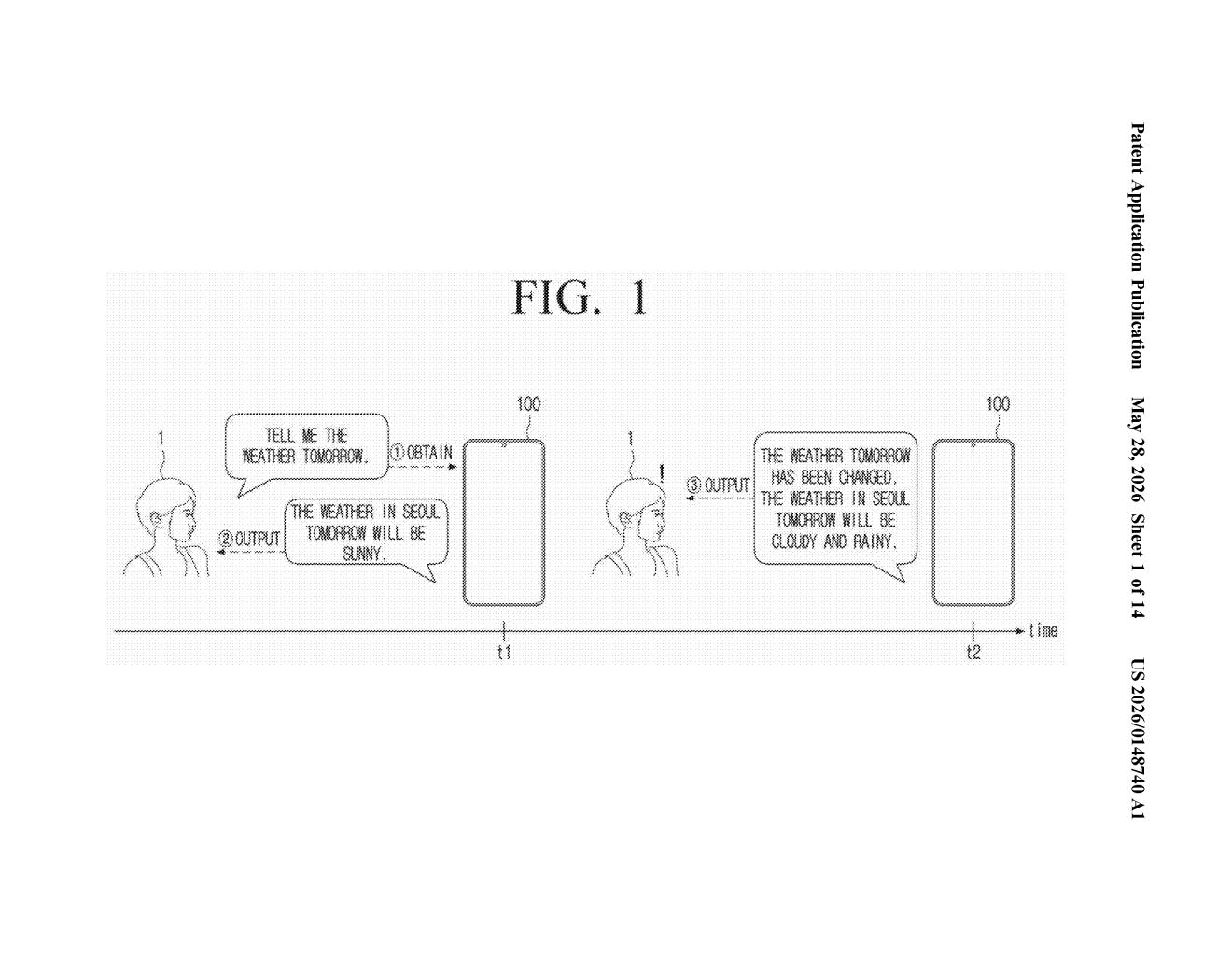
How Samsung's self-correcting voice assistant works
Imagine asking your phone's voice assistant a question and getting an answer that sounds confident but is slightly off. You'd never know, because the assistant doesn't know either. Samsung's new patent tries to fix exactly that.
The idea is that after the assistant gives you a response, it flags certain replies as potentially unreliable — what the patent calls tracking elements — and immediately generates a second attempt at the same answer. It then compares the two. If the second answer is meaningfully different from the first, it swaps in the new version before you've moved on.
Think of it like a spell-checker for spoken answers: the assistant quietly runs a second pass on anything it's unsure about, and only surfaces the corrected result. You'd just hear one response, and ideally it would be the better one.
How the processor detects and replaces flawed responses
The patent describes a processor pipeline with a multi-step quality loop baked directly into the response flow. Here's how it plays out:
- The device captures your voice through its microphone and runs natural language understanding (NLU) — the step that converts speech into a structured interpretation of what you meant (intent, entities, context).
- It produces a first response and simultaneously checks whether the original voice input contained a "tracking element" — the patent's term for a signal that the NLU result might be ambiguous or uncertain enough to warrant re-evaluation.
- If a tracking element is detected, the system stores the original text, the NLU result, and the first response in memory, then generates a second response using the same NLU data.
- The processor then compares the two responses. If a changed element — a meaningful difference — exists in the second response, the device provides that second response to the user instead of the first.
The key insight is that this isn't a full re-query to a server — it reuses the already-computed NLU result, so the correction pass is faster than starting over from scratch. The system is essentially asking: "Given what I already understood, can I produce a better answer?"
What this means for Bixby's reliability problem
Voice assistants have a well-documented failure mode: they answer with false confidence. When Bixby (or any assistant) misinterprets a query, it typically just delivers the wrong answer without flagging uncertainty. A self-correction loop that runs automatically — without requiring the user to ask again — could meaningfully reduce those frustrating non-answers and near-misses.
The practical upside for you is fewer "that's not what I asked" moments. The strategic upside for Samsung is that it makes Bixby look more reliable without requiring a completely different underlying model. That's a meaningful efficiency gain, especially as Samsung pushes Bixby deeper into Galaxy devices and appliances where re-asking a question is inconvenient or impossible.
This is a genuinely sensible idea — a lightweight confidence-checking layer that doesn't require retraining a model or making a new network call. The "tracking element" concept is vague enough in the patent to cover a lot of ground, which makes it either a broad defensive filing or a sign that Samsung hasn't fully nailed the implementation yet. Either way, if it ships, it addresses a real and annoying problem with voice assistants.
There are more where this came from
We read every patent application Big Tech publishes and send you the ones worth knowing. Plain English, free, every week.
Want this weekly breakdown for a company we don't cover? Patentlyze Pro →