
Qualcomm Patents a Context-Aware Screen Time Monitor That Weighs Your Environment
Your phone already tracks how long you stare at a screen — but Qualcomm is filing patents for a system that also tracks *how bad* that staring actually was, based on your lighting, posture, and physical state at the time.
What Qualcomm's adjusted screen time score actually does
Imagine you spend an hour reading your phone in a dim room while slouched on the couch, then another hour watching a well-lit monitor at a proper desk. Most screen time trackers count both hours exactly the same. Qualcomm's patent argues that's not the full picture.
The system described here takes your raw screen time and runs it through a "screen impact factor" — a score built from sensor data about you and your surroundings. Poor lighting, uncomfortable viewing distances, or certain physical conditions could push your effective screen time score higher than the actual minutes you logged. In other words, one hour in bad conditions might count as more harmful than two hours in ideal ones.
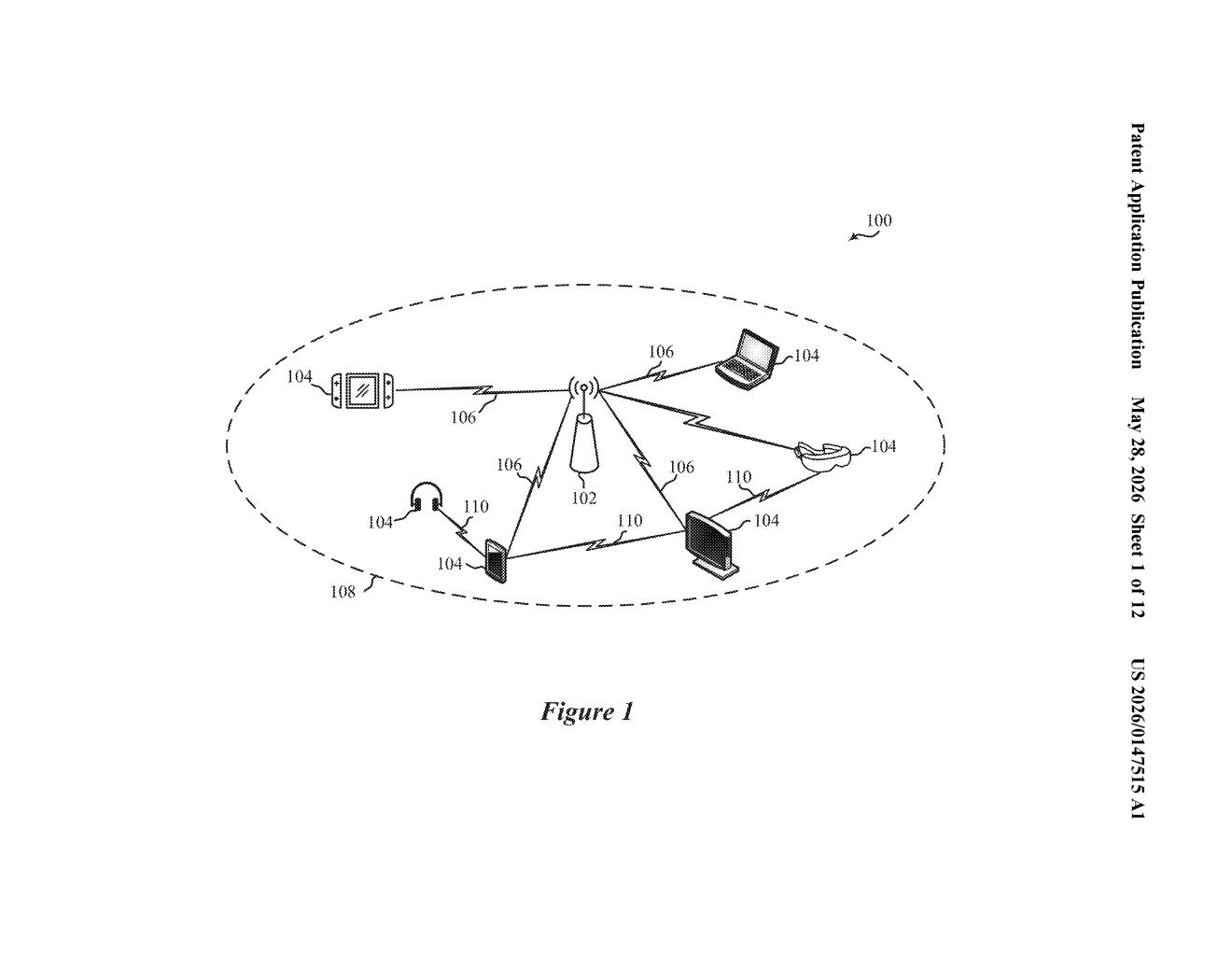
This works across a secure device ecosystem — think your phone, tablet, laptop, and TV all feeding data into a central picture of your daily screen exposure. The idea is that the damage screen time does to you isn't just about duration; it's about context.
How sensor data reshapes Qualcomm's screen impact score
At its core, this patent describes a network device sitting inside a "secure device ecosystem" — a trusted cluster of your personal displays — that aggregates screen viewing data from all of them.
The key innovation is the screen impact factor: a computed multiplier (or adjustment) applied to raw screen time. It's derived from sensor data that can include:
- Environmental sensors (ambient light levels, screen glare, viewing distance)
- Physical/biometric sensors tied to the viewer (posture, eye strain indicators, fatigue signals)
- Device-level data about screen brightness and refresh rate
The output is an adjusted screen viewing time — not just a raw count of minutes but a weighted measure of screen impact. If you were watching in harsh conditions, your adjusted score is higher than your actual time. The system then produces a "screen impact action" — likely a notification, recommendation, or usage cap — based on that adjusted figure.
The patent is framed around a secure device ecosystem, meaning the data pipeline between your devices and the monitoring module is designed with privacy boundaries. Sensor data stays within that trusted circle rather than flowing to arbitrary third-party services.
What this means for cross-device digital wellness tools
For digital wellness features baked into operating systems and chipsets, this represents a more nuanced model than simple minute-counting. If Qualcomm integrates this into its Snapdragon platform, OEM partners building Android phones or Windows-on-ARM laptops could offer parental controls or personal wellness dashboards that are actually calibrated to real-world risk — not just screen-on time.
The cross-device aggregation angle is also notable. Right now, your screen time data is siloed — Apple sees your iPhone and iPad usage, but not your Samsung TV. A chipset-level system that bridges those silos (securely) would give a genuinely complete picture of daily exposure. That's potentially useful for health-focused applications, though it also raises obvious questions about who controls that data.
This is a genuinely interesting extension of the screen time concept — moving from a simple timer to a context-weighted health metric is a meaningful upgrade. The real question is whether Qualcomm can execute the sensor fusion reliably enough that the adjusted scores feel trustworthy to users rather than arbitrary. If the impact factor feels like a black box, people will ignore it just as they ignore today's screen time warnings.
There are more where this came from
We read every patent application Big Tech publishes and send you the ones worth knowing. Plain English, free, every week.
Want this weekly breakdown for a company we don't cover? Patentlyze Pro →