
Google's New Patent Lets a VR Headset Tell Streaming Apps Where to Put the Screen
Google is patenting a handshake system that lets an XR headset tell a streaming app exactly where and how to place a video panel inside a custom virtual environment — so the app and the scene stay in sync without the user doing any setup.
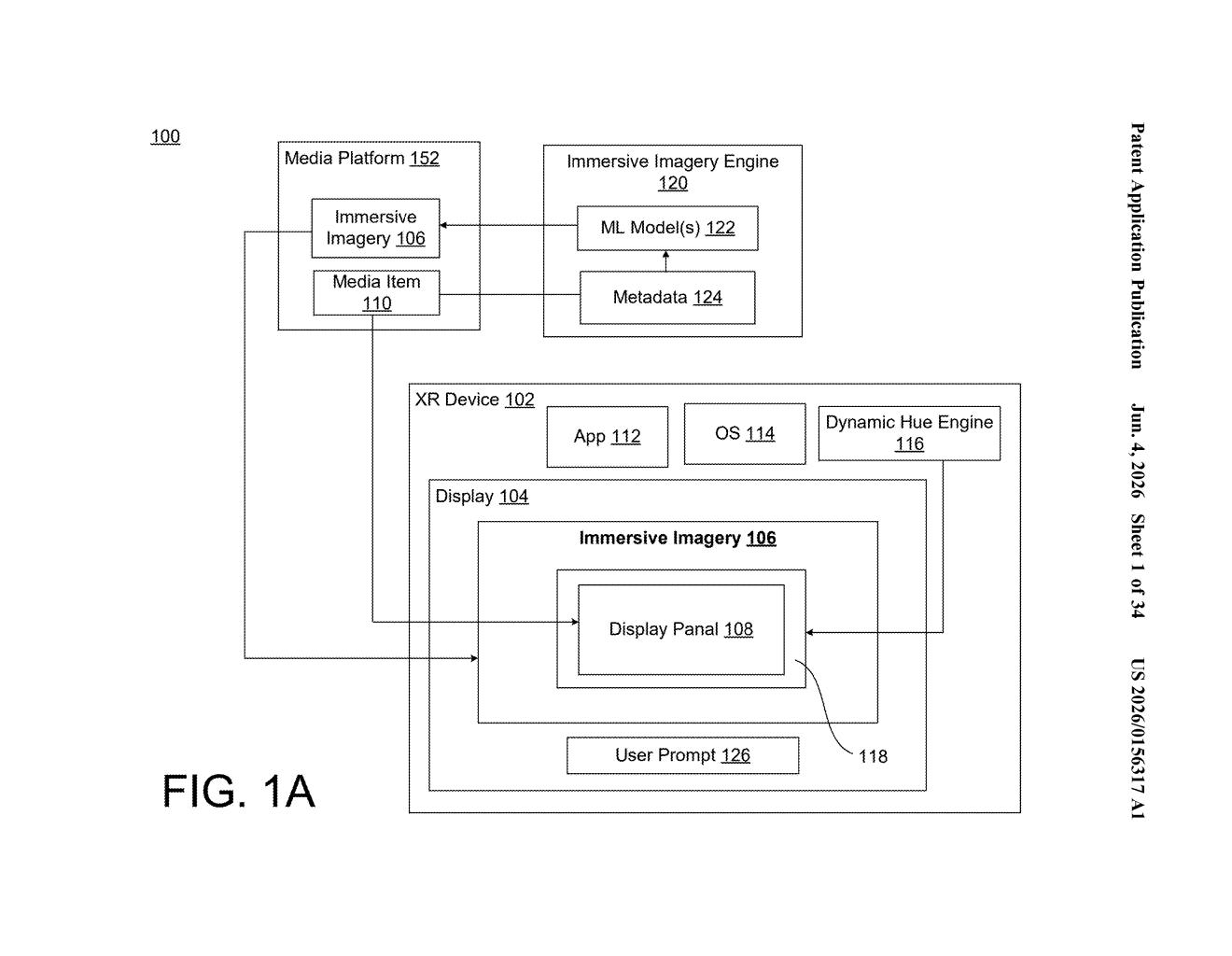
What Google's immersive streaming environment actually does
Imagine putting on a VR headset and, instead of just a floating screen in a grey void, your movie plays inside a virtual cinema, a cozy living room, or a space station — and the video app itself is aware of that environment and knows exactly how to fit its player inside it.
That's the core idea here. Right now, the headset and the streaming app tend to work in silos: the headset handles the virtual space, the app handles the video. Google's patent describes a tighter handoff where the XR device initiates the immersive scene, then passes key details about that scene — like position, size, and orientation — directly to the streaming app, so it can place the video panel naturally inside it.
The result is that apps like YouTube wouldn't need to build and manage their own virtual environments from scratch. The headset does the scene-setting; the app just receives the coordinates and renders its player in the right spot.
How the XR device hands off scene data to the streaming app
When you select a piece of media on the XR device's interface, two things happen in parallel. First, the device initiates an immersive imagery environment — a 360-degree or spatially rich background scene themed around the content (think: a fantasy backdrop for a fantasy film). Second, it sends a structured request to the streaming application.
That request is the key piece. It carries at least one parameter about the immersive scene — things like the virtual position of the display panel, its scale, its orientation in 3D space, or which zone of the environment it should occupy. The streaming app receives those parameters and uses them to render its display panel (the actual video player) directly inside the scene, conforming to those specs.
- XR device: owns and renders the immersive background environment
- Streaming app: receives scene parameters and draws the video panel to match
- Parameter handoff: the communication layer that keeps the two in sync
This separation of concerns matters architecturally: the headset OS controls the environment, and third-party streaming apps don't need to independently manage 3D scene logic — they just need to respect the coordinates they're handed.
What this means for YouTube and Android XR headsets
For users, this closes a pretty noticeable gap in current XR video experiences. Today, watching YouTube or Netflix on a headset usually means a floating rectangle — functional, but not immersive. This patent describes a way to make the environment part of the content experience, not just a backdrop you ignore, without requiring every streaming app to build its own full XR engine.
Strategically, it points at a platform-level move for Android XR (Google's headset OS). By making the XR device the authority on immersive environments and standardizing how apps receive scene parameters, Google could define what an "immersive streaming session" looks like across all compliant apps — the same way Android standardizes intents and permissions on phones. That's a meaningful piece of platform control.
This is a real UX problem worth solving, and the parameter-handoff architecture is a sensible way to split the responsibility between OS and app. The interesting part isn't the immersive environments themselves — those already exist in various forms — it's the formalized protocol that lets third-party streaming apps participate without reimplementing the whole scene layer. If Google ships this on Android XR, it becomes a de facto standard that every streaming service would need to support to feel native on the platform.
There are more where this came from
We read every patent application Big Tech publishes and send you the ones worth knowing. Plain English, free, every week.
Want this weekly breakdown for a company we don't cover? Patentlyze Pro →