
Microsoft's New Patent Lets You Choose What the AI Remembers About You
Every time you chat with an AI assistant, it drags the entire conversation history along — even the parts you'd rather it forget. Microsoft is patenting a way to automatically trim or visualize exactly what the AI is 'remembering' before it answers your next question.
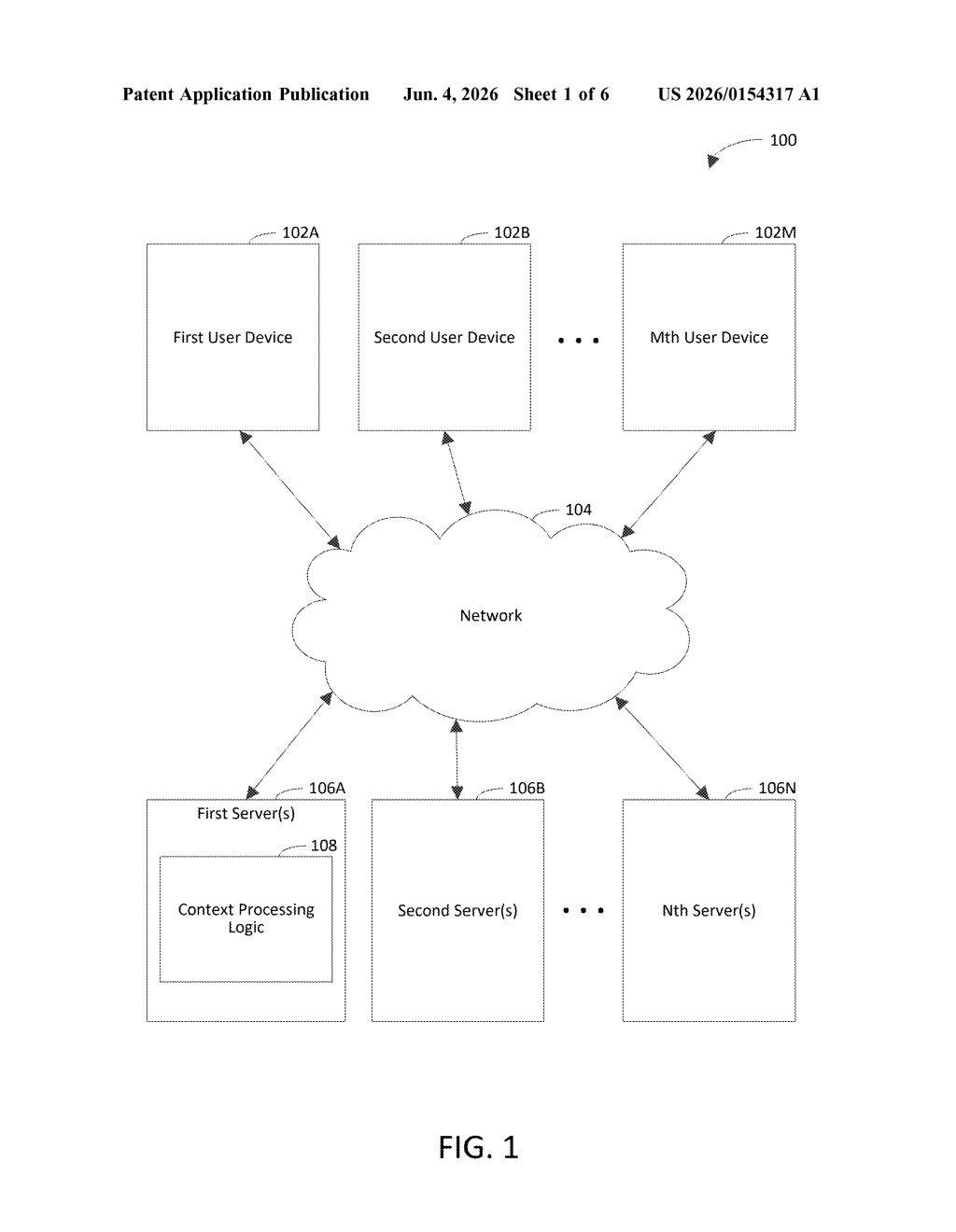
What Microsoft's AI context-trimming system actually does
Imagine you've been chatting with an AI assistant for a while. You started by asking it to write a casual birthday message, then pivoted to drafting a serious legal memo. The AI is still mentally carrying that birthday party vibe — and it's bleeding into your memo. That's the problem Microsoft is trying to solve here.
This patent covers two related ideas. First, a tool that shows you a visual map of the context your AI prompt is carrying — so you can actually see what background information is getting passed along. Second, a system that automatically strips out old, irrelevant conversation history before it ever reaches the AI model, so the AI answers based only on what's actually relevant to your current question.
Think of it like a 'clear the table' button for your AI chat session — except it works intelligently in the background, deciding which previous exchanges matter and which ones should be left out of the AI's view.
How the system rewrites the context window before the AI sees it
The patent describes a control layer that sits between the user and an AI model during a multi-turn conversation (a 'prompt chain' — a series of related back-and-forth exchanges where each new prompt builds on prior context).
There are two distinct techniques covered:
- Context visualization: When triggered by a user instruction, the system generates a visual representation of all the contextual information attached to the current prompt — showing the user what background the AI is actually working from.
- Automatic context scoping: Before sending the current prompt to the AI, the system detects that the context window includes previous contextual information from earlier prompts in the chain and automatically removes portions that are no longer relevant. The AI model then generates its answer based on this trimmed, 'changed scope' rather than the full accumulated history.
The key engineering claim is that this happens prior to the prompt being handed off to the model — it's a preprocessing step, not a post-hoc filter. The system determines the initial scope, evaluates whether prior context should be retained, and replaces the default full-history input with a curated subset before the model ever sees it.
This is essentially context window management (AI models have a finite memory, measured in tokens, that caps how much text they can process at once) made explicit and user-controllable rather than left to the model's internal attention mechanisms.
Why context bloat is a real problem for AI chat tools
Context window pollution is one of the most underappreciated failure modes in enterprise AI tools today. When you're using Copilot in Word or Teams, stale conversation history can subtly warp the AI's responses in ways that are hard to diagnose. Most users have no idea what the model is actually 'seeing.' Making that visible — and automatically prunable — is a genuinely useful UX improvement.
For power users and developers, explicit context control also means more predictable, reproducible outputs. If you can define exactly which prior exchanges count as relevant context, you get more consistent answers and fewer confusing drift artifacts in long sessions. This is the kind of infrastructure-level work that makes AI tools feel reliable rather than capricious.
This isn't a flashy AI capability patent — it's plumbing. But it's important plumbing. The fact that Microsoft is filing around explicit context visualization and auto-scoping suggests Copilot's product team has real user complaints about context bleed in long sessions, and this is the architectural answer. It's the kind of patent that quietly ships in a Copilot settings panel six months from now.
There are more where this came from
We read every patent application Big Tech publishes and send you the ones worth knowing. Plain English, free, every week.
Want this weekly breakdown for a company we don't cover? Patentlyze Pro →