
Samsung Patents an AI Assistant That Builds a Profile From Your Service History
Samsung is patenting a system where an AI assistant doesn't just answer your question — it remembers how you've asked things before and adjusts its response based on patterns it's detected in your history.
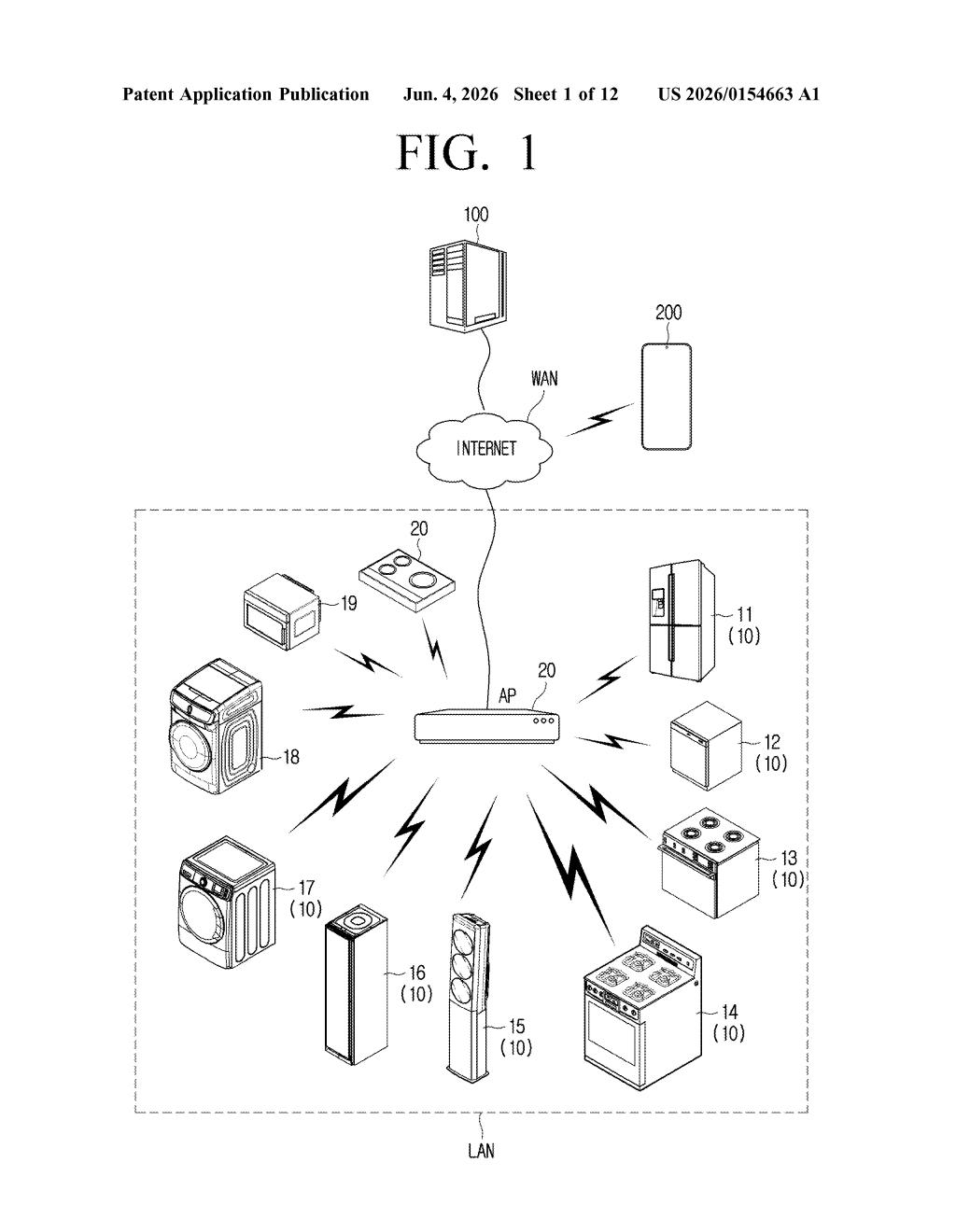
What Samsung's service-history AI actually does for you
Imagine you call your bank's help line and the agent already knows you prefer brief answers, hate being upsold, and always ask about fees first. They skip the script and get straight to what you actually want. That's roughly the idea here.
Samsung's patent describes an electronic device — think a smart TV, phone, or home hub — that receives a service request from you, figures out your user tendency (your typical behavior pattern), then digs through a log of past interactions to find how similar requests were handled before. It uses that history to shape the response it gives you.
In plain terms: instead of treating every request as if it's your first, the system builds up a picture of how you ask for things and uses that context to answer more usefully. It's essentially a memory layer for AI assistants.
How the system maps requests to user tendencies
At a high level, the patent describes three linked steps running on a processor with access to stored service history information:
- Tendency identification: When a service request arrives, the system analyzes it to extract one or more "user tendencies" — behavioral patterns inferred from how the request is phrased or structured.
- History search: It then queries a stored log of past service interactions, looking for previous cases that match those identified tendencies.
- Response generation: Finally, it generates a response ("service information") shaped by what those historical matches reveal about what worked — or what the user preferred — in similar situations.
The patent is deliberately broad. It doesn't pin down whether "user tendency" means tone preference, topic clusters, or interaction frequency — that ambiguity is likely intentional to maximize coverage. The external device framing (the request comes from a separate device via communication circuitry) suggests this could be a server-side component handling requests from phones, TVs, or appliances.
There's no mention of on-device large language models, so the intelligence here appears to be pattern-matching and retrieval over structured logs rather than generative inference — closer to a personalized recommendation layer than a chatbot brain.
What this means for Samsung's AI assistant strategy
For Samsung, which is pushing its Bixby and Galaxy AI ecosystem hard across TVs, phones, and home appliances, a system like this would let its assistant feel more contextually aware without requiring a full conversational AI model on every device. If you always ask your TV to find action movies at 9pm on Fridays, the system stops treating that as a cold query and starts anticipating it.
The broader signal is that Samsung wants its AI layer to accumulate longitudinal user context — not just session memory, but cross-session behavioral learning. That's a meaningful differentiator if it works well, and a significant privacy surface if it doesn't. The patent says nothing about data retention limits or user controls, which will matter a lot in practice.
This is a foundational infrastructure patent, not a flashy consumer feature — but it's the kind of plumbing that makes AI assistants feel less annoying over time. The claim is wide enough to cover a lot of ground, which is both its strength as IP and its weakness as a technical description of anything specific.
There are more where this came from
We read every patent application Big Tech publishes and send you the ones worth knowing. Plain English, free, every week.
Want this weekly breakdown for a company we don't cover? Patentlyze Pro →