
Samsung Patents a TV That Automatically Blurs Spoilers in Search Results
You search for a show on your Samsung TV and the results pop up, but any spoilers, plot reveals, or outcome images are automatically hidden before your eyes land on them. That's the core idea behind this new Samsung patent.
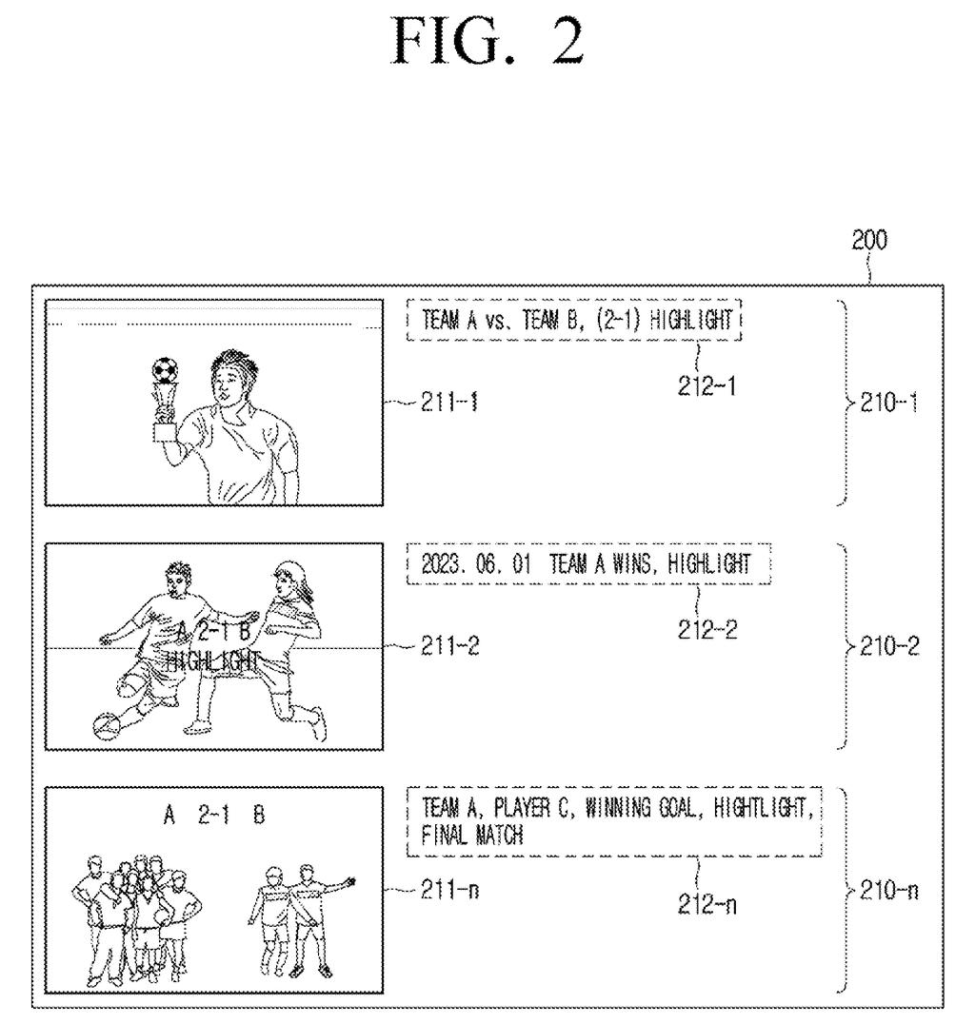
What Samsung's spoiler-blocking display actually does
Imagine you just started watching a popular series and you look up a character's name on your TV to get more background. Normally, search results could be full of plot twists, death scenes, or finale images you definitely didn't ask for. Samsung's patent describes a way to stop that from happening automatically.
When you type a search into a Samsung display, the device checks whether that search term is likely to pull up spoiler-heavy content. If it decides spoiler protection is needed, it fetches the results, scans through both the text and images, flags anything that looks like a spoiler, and then shows you the results with those parts hidden.
The idea is that spoiler protection works in the background, so you get the useful parts of a search without accidentally ruining the show for yourself. You don't have to install a browser extension or adjust settings every time.
How the TV detects and hides spoiler content
The patent describes a display device (most likely a smart TV) with a dedicated spoiler prevention mode. When a user enters a search term, the processor first evaluates whether that query is the kind likely to surface spoilers. If it decides the mode should activate, the device fetches content from external sources through its network connection.
Once the results are stored in memory, the system scans both images and text within those results to identify portions that qualify as spoiler information. Those flagged portions are then hidden on-screen before the user ever sees them, while the rest of the result remains visible.
The patent's claim covers:
- Detecting whether a search term warrants spoiler protection
- Fetching and locally storing search results before display
- Identifying spoiler content in both image and text form
- Rendering results with the flagged portions concealed
The approach means the filtering happens on the device side, after content is retrieved but before it reaches your eyes, rather than relying on websites to label their own spoilers.
What this means for searching on your smart TV
For anyone who uses a smart TV's built-in search to look up shows, actors, or sports scores, an accidental spoiler from a thumbnail or headline is a genuinely common frustration. This patent targets that specific pain point at the hardware and software level, meaning the protection could apply across many apps and websites rather than just those that cooperate with a single streaming service's settings.
The broader question is how well the system can actually identify spoiler content automatically. Sports scores, episode endings, and book adaptations all look very different to a detection algorithm. If Samsung ships something based on this, the usefulness will depend entirely on how accurate that identification layer turns out to be in practice.
This is a genuinely useful consumer idea that solves a real, everyday problem rather than an abstract engineering exercise. The hard part isn't the architecture, it's building a detection system accurate enough that people actually trust it. If Samsung gets that right, this could become a feature people specifically buy Samsung TVs for.
There are more where this came from
We read every patent application Big Tech publishes and send you the ones worth knowing. Plain English, free, every week.
The drawings
11 drawing sheets from US 2026/0220216 A1 · click any drawing to enlarge


Want this weekly breakdown for a company we don't cover? Patentlyze Pro →