
Samsung Patents a System That Stops 5G and Wi-Fi From Fighting Over the Same Airwaves
When your phone is connected to both 5G and Wi-Fi at the same time, the two radios can step on each other's toes — especially when they're operating on overlapping frequencies. Samsung's new patent describes a way to have the phone automatically tune each antenna to reduce that interference.
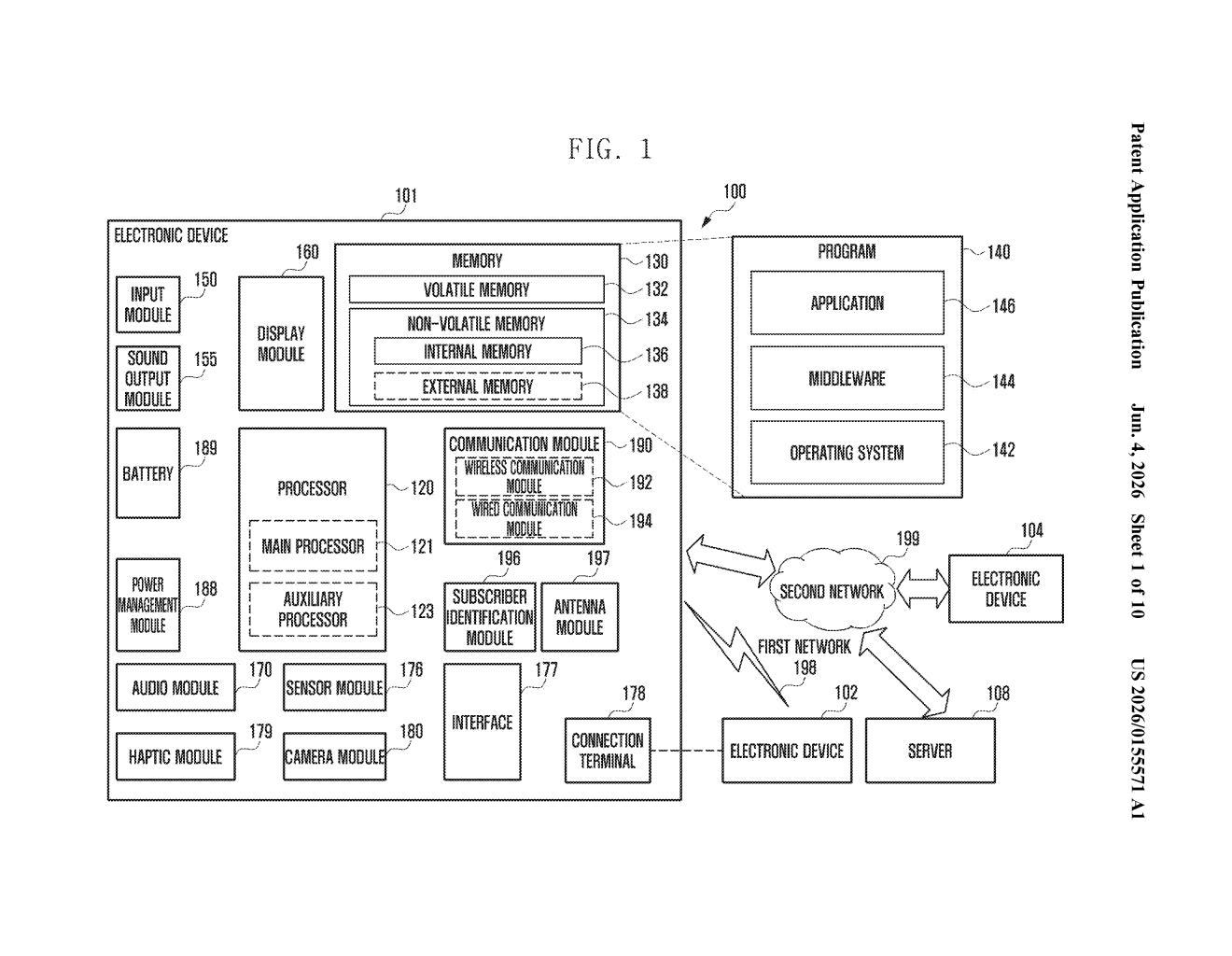
What Samsung's dual-antenna tuning actually does
Imagine you're streaming a video at home. Your phone is connected to your Wi-Fi router and still maintaining a 5G connection in the background. Both radios are active, and if they happen to share nearby frequencies, they can interfere with each other — causing dropped packets, slower speeds, or worse battery life as the phone compensates.
Samsung's patent tackles this with a coordinated tuning system. The chip handling cellular traffic and the chip handling Wi-Fi both check what they're doing — what frequency, what data rate, what mode — and then the phone dynamically adjusts the electrical tuning (called impedance matching) of one or both antennas to reduce that overlap.
Think of it like adjusting the EQ on two musicians playing in the same room so they don't drown each other out. The goal is cleaner signal reception for both connections at the same time, without you having to do anything.
How the processors coordinate antenna impedance in real time
The patent describes an electronic device — almost certainly a smartphone — with two separate antennas: one for cellular (handled by a communication processor, or CP) and one for Wi-Fi (handled by an application processor, or AP). The problem it solves is co-channel interference: when both radios are active and operating in an overlapping frequency band, they degrade each other's performance.
The key claim is a coordinated decision loop:
- The device detects that both cellular and wireless LAN (Wi-Fi) are simultaneously active.
- It reads the operating state of each — things like the current frequency band, transmission power, or connection mode.
- Based on that combined picture, it adjusts the impedance of one or both antennas (impedance is essentially how well an antenna is electrically tuned to a given frequency — a mismatch wastes signal energy as heat).
The overlap scenario this is designed for is very real. 5G mid-band (especially n41 around 2.5 GHz) and Wi-Fi 6/6E (5 GHz and 6 GHz bands) don't always collide, but some sub-6 GHz 5G bands and 2.4 GHz Wi-Fi absolutely can. The patent covers cases where the designated cellular frequency band overlaps with at least a portion of the Wi-Fi band in use.
What this means for Galaxy phones running 5G and Wi-Fi together
For everyday users, this kind of tuning could mean fewer moments where your phone's Wi-Fi gets flaky the moment a 5G call comes in, or vice versa. It's the sort of invisible plumbing that separates flagship-tier radio performance from mid-range compromises — and it's increasingly relevant as 5G bands creep closer to Wi-Fi territory.
For Samsung specifically, this fits a pattern of on-device radio intelligence that differentiates Galaxy S-series hardware. As more devices juggle simultaneous cellular and Wi-Fi connections for features like Wi-Fi Calling, 5G offloading, and always-on background sync, antenna coordination becomes a real competitive variable — not just a spec-sheet line.
This is squarely infrastructure-level work — not glamorous, but genuinely important for anyone who's ever noticed their Wi-Fi slow down on a 5G-connected phone. The patent is specific enough in its claims (two separate processors, real-time state checking, impedance adjustment based on combined operating state) to suggest this reflects actual engineering Samsung is shipping or planning to ship, not a defensive placeholder.
There are more where this came from
We read every patent application Big Tech publishes and send you the ones worth knowing. Plain English, free, every week.
Want this weekly breakdown for a company we don't cover? Patentlyze Pro →