
Samsung Patents an Antenna Hidden Inside a Phone's Metal Frame
Samsung is patenting a way to turn part of a phone's metal side frame into an antenna, tucking the signal-carrying hardware into the structure of the device itself rather than dedicating separate internal space to it.
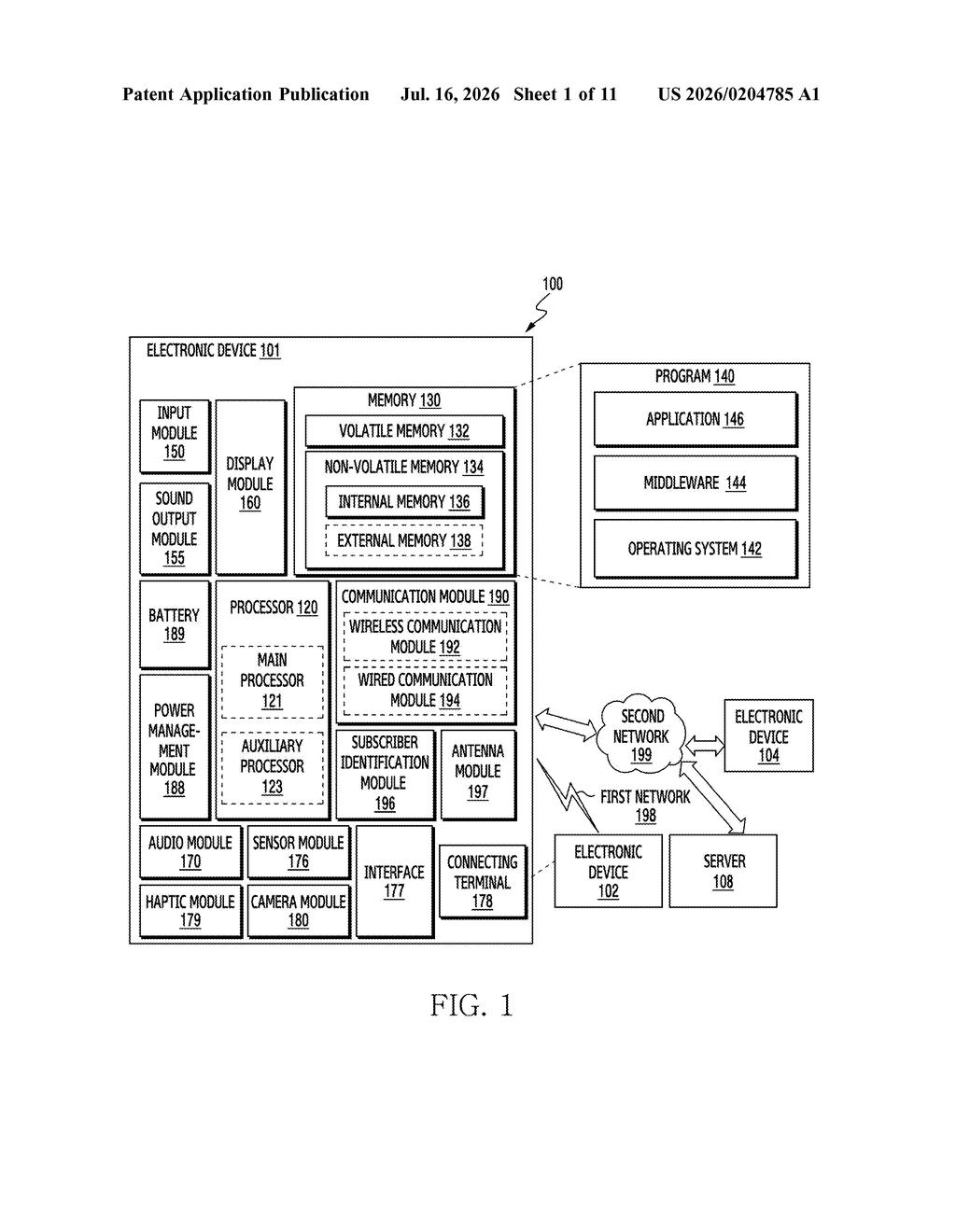
How Samsung hides an antenna in your phone's side rail
Imagine the slim metal band running around the edge of your phone doing double duty: looking good and pulling in your cellular signal. That's the core idea in this Samsung filing.
Right now, antennas inside phones are usually discrete components competing for space with batteries, cameras, and chips. Samsung's patent describes a setup where the conductive metal strip at the top edge of the phone becomes the antenna, fed by a carefully routed line on the circuit board. The metal structure sitting just behind the frame acts like a mirror, bouncing signals in the right direction instead of letting them scatter.
The result is an antenna design that uses the phone's existing structure, potentially freeing up internal space or allowing for thinner devices without sacrificing signal performance.
How the frame, circuit board, and reflector work together
The patent describes a phone where the side frame's top conductive strip functions as the main radiating element for wireless signals.
Here's how the pieces fit together:
- A feeding portion on the circuit board connects to the wireless radio circuitry. It sits in a zone where both insulating and grounding layers are present, which helps control the electrical signal.
- A radiation line portion (a thin conductive trace) runs from the feeding portion to the metal frame. Critically, this trace passes through a region that has only the insulating layer beneath it, not the ground layer. Removing the ground layer here prevents the signal from being shorted out before it reaches the frame.
- A metal structure inside the phone, positioned behind the radiation line, acts as a reflector (think of a satellite dish's curved back) to direct the signal outward rather than inward toward the phone's own components.
The radiation line runs parallel to the conductive frame strip, sandwiched between the internal metal reflector and the outer frame. The frame strip and the line together form the complete radiating antenna.
What this means for future Galaxy phone signal quality
Antenna design is one of the most constrained problems in smartphone engineering. Every millimeter saved internally is a millimeter that could go to a bigger battery or a thinner profile. By conscripting the existing metal frame into antenna duty, Samsung could make that trade-off less painful on future Galaxy devices.
There's also a signal-quality angle. Placing the antenna at the top lateral edge and adding a reflector to focus radiation means engineers have more control over where the signal actually goes. For users, that could translate to fewer dropped calls in marginal coverage areas, though the real-world gains depend heavily on how the full system is tuned.
This is solid, unglamorous antenna engineering. It won't make headlines at a product launch, but antenna placement directly affects call quality and device thickness, two things real users notice. Samsung filing this now suggests the approach is mature enough to consider for production hardware.
There are more where this came from
We read every patent application Big Tech publishes and send you the ones worth knowing. Plain English, free, every week.
Want this weekly breakdown for a company we don't cover? Patentlyze Pro →