
Qualcomm Patents a Memory Architecture with Dedicated Metadata Storage Lanes
Qualcomm is patenting a memory controller design that gives metadata — the bookkeeping information attached to every chunk of data — its own dedicated pipeline, separate from the data itself. It's a subtle architectural tweak, but one that could meaningfully reduce overhead in systems that rely heavily on memory tagging and error correction.
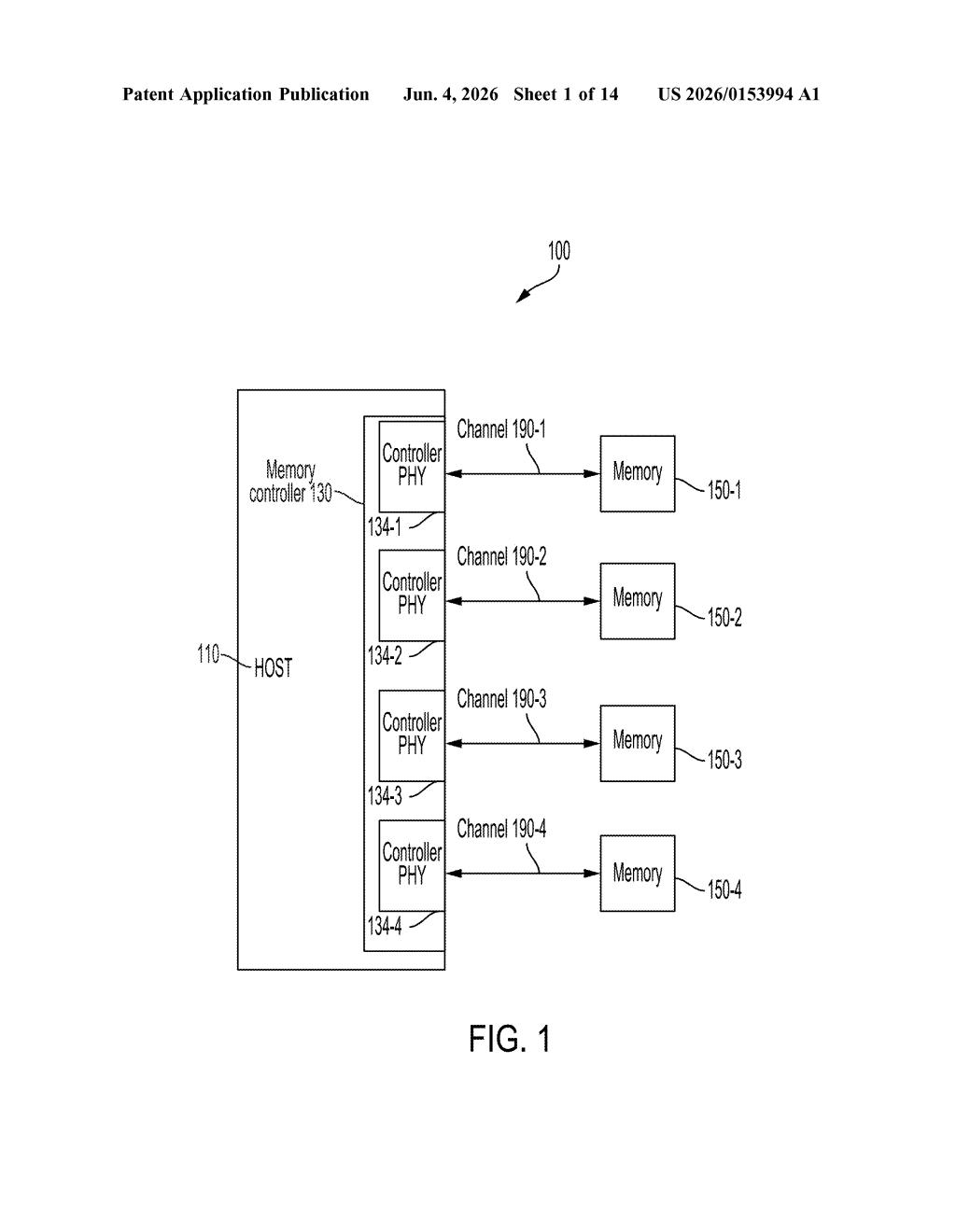
What Qualcomm's dedicated metadata memory lanes actually do
Imagine every file on your computer has a sticky note attached — tracking who created it, when it was last modified, whether it's error-free. That sticky note is metadata. In most memory systems today, the data and its metadata travel down the same lanes and share the same storage space, which means the chip has to keep juggling both.
Qualcomm's patent describes a memory design where data and metadata travel separately from the start. The memory chip has two distinct sets of registers — basically fast holding areas — one for the actual data and one specifically for metadata. When your processor writes something to memory, the data goes one way and its metadata goes another, each landing in its own dedicated section of the memory array.
This keeps things cleaner and faster. Instead of the memory controller having to sort out what's data and what's metadata on arrival, the hardware already knows. It's a bit like having two separate checkout lanes at a grocery store: one for your groceries, one for the receipt — no mixing, no confusion.
How the metadata registers route data to separate memory columns
The patent describes a memory I/O (input/output) module that sits between the host processor and the memory array itself. The key innovation is a second set of registers — called metadata registers — that are wired directly to a separate column address range within the memory array.
When a host sends a write operation, it dispatches:
- First data — sent through the standard data connection into standard registers, then stored in the primary portion of the memory array
- First metadata — sent through a non-data connection into the dedicated metadata registers, then stored in a separate column of the memory array when a specific column address command is issued
The column address (the memory array coordinate that identifies where data lands) is what triggers the final write of metadata to its designated zone. The memory device responds to that address command and commits the metadata to the correct column in the secondary portion of the array.
This is notable because traditional DRAM and flash memory architectures treat metadata — things like ECC (error-correcting code) bits, memory tagging for security, or ownership flags — as something bolted on the side, often stored in spare bits or handled by software. Qualcomm's approach bakes the separation into the hardware interface itself.
What this means for memory-intensive chip workloads
For workloads that depend heavily on memory tagging — think Arm's Memory Tagging Extension (MTE) used in Android for heap safety, or ECC in server-class chips — blending metadata and data in the same memory bus creates latency and controller complexity. A hardware-native separation like this could make those operations faster and less CPU-intensive.
Qualcomm's mobile and datacenter chips both deal with these workloads. If this architecture makes it into a future Snapdragon or data-center ASIC, it would reduce the software overhead required to manage memory safety and integrity features — the kind of background work you never see but that quietly eats into battery life and performance.
This is genuinely interesting low-level memory architecture work — not flashy, but the kind of infrastructure detail that separates performant chips from average ones. The direct link to hardware memory tagging (a real and growing concern in mobile security) gives it practical relevance beyond just being a clean engineering idea. Worth watching if you follow Qualcomm's Snapdragon roadmap or Arm memory safety initiatives.
There are more where this came from
We read every patent application Big Tech publishes and send you the ones worth knowing. Plain English, free, every week.
Want this weekly breakdown for a company we don't cover? Patentlyze Pro →