
Google Patents an AI Assistant That Notices When Its Memory of You Is Out of Date
Most AI assistants that 'know you' are working from a snapshot of who you were — not who you are now. Google's new patent describes a system that catches its own stale assumptions about you and quietly rewrites them during your conversation.
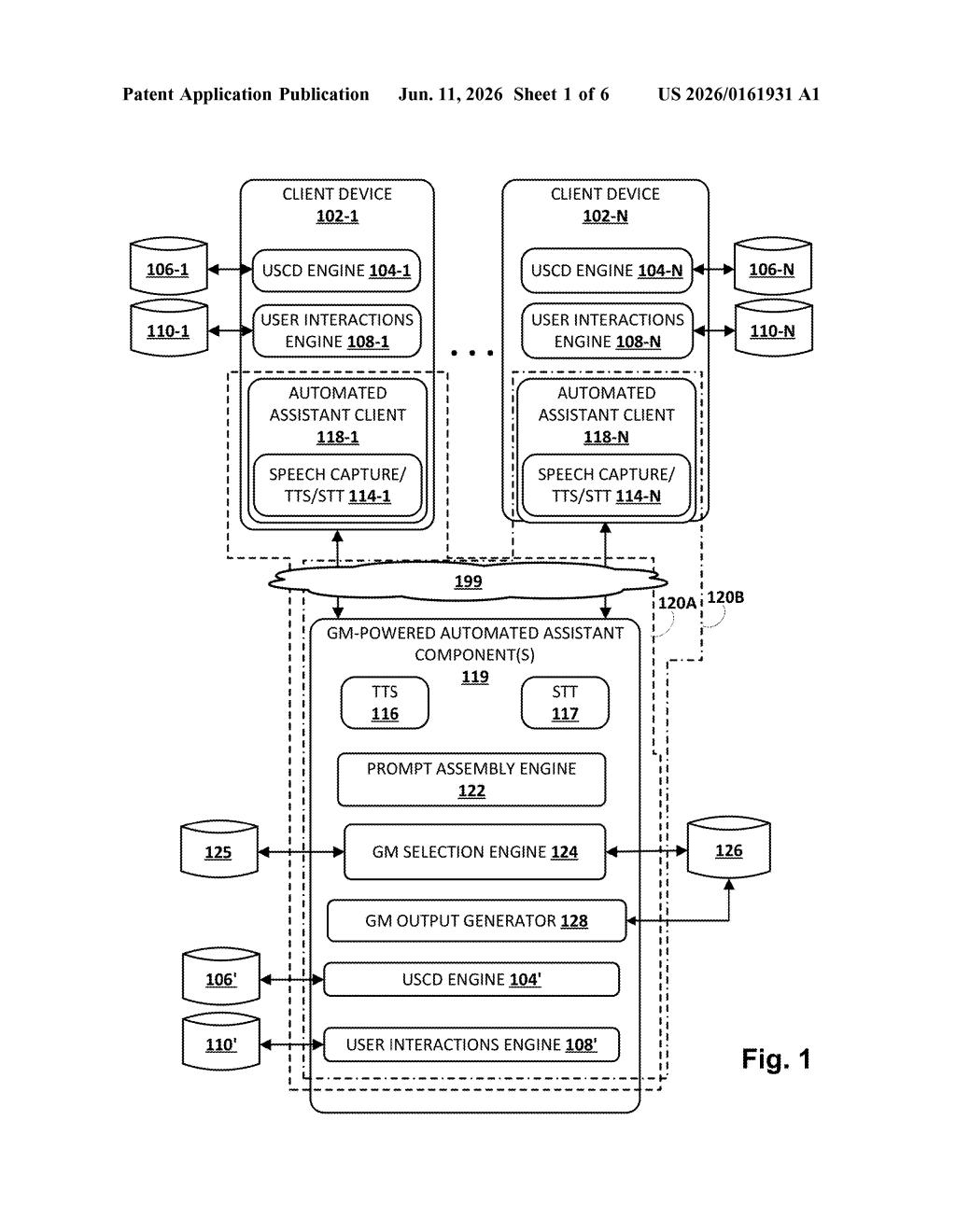
What Google's self-updating AI memory actually does
Imagine you told your AI assistant last year that you live in Austin, then you moved to Chicago. Until you manually updated your profile, the assistant would keep routing you to Texas-based restaurants, weather, and news. That kind of silent staleness is a real problem as AI tools try to become more personal.
Google's patent describes a system where the AI periodically checks whether what it 'knows' about you still matches what you've been telling it recently. If you mention a new job, a new city, or a changed preference in conversation, the system flags the old entry in your profile as out-of-date and replaces it — without you having to go digging through settings.
The key idea is that your AI profile updates itself, triggered by normal conversation rather than manual edits. Your most recent chats effectively act as a correction layer on top of your older history, and the AI reconciles them automatically.
How the model spots and replaces stale user data
The patent describes a two-stage pipeline built around what Google calls user-specific conditioning data (USCD) — essentially a stored profile of your preferences, habits, and background, assembled from your past interactions with Google's AI products.
When you have a new conversation with a generative AI application, the system bundles together both your existing USCD and the transcript of your recent chat into a single prompt. It then feeds that combined prompt back into a generative model and asks it a specific question: which parts of the stored profile are now outdated given what the user just said?
The model returns a list of flagged entries — old facts about you that your recent conversation has implicitly contradicted or superseded. Based on that output, the system:
- Identifies the specific stale fields in your profile
- Rewrites them to reflect the new information
- Saves the updated profile for use in all future queries
Importantly, this process is described as happening at user request, meaning it's not necessarily automatic background surveillance — there's an intentional trigger. The updated profile then conditions the AI's behavior in every subsequent conversation, so the assistant's assumptions about you stay current.
What this means for personalized AI assistants
Personalized AI assistants are only as useful as the accuracy of their stored context. Right now, most systems either rely on users to manually correct their profiles (which almost nobody does) or they don't maintain persistent memory at all. A self-auditing memory system could make AI assistants meaningfully more reliable over time — especially for tools like Google Assistant or Gemini, where the goal is a long-term, evolving relationship with the user.
For you as a user, the practical upside is an assistant that doesn't keep acting on stale assumptions. The privacy tradeoff — your chat history being used to rewrite a persistent profile — is real and worth watching. How Google surfaces user control over this process will matter as much as the technology itself.
This is a quietly important filing. The hard part of building a genuinely personal AI assistant has never been collecting user data — it's been keeping that data fresh without making users do the maintenance themselves. Google's approach of using the AI to audit its own memory is a clean solution to a real problem, and it fits squarely into where Gemini is heading as a long-term assistant product.
There are more where this came from
We read every patent application Big Tech publishes and send you the ones worth knowing. Plain English, free, every week.
Want this weekly breakdown for a company we don't cover? Patentlyze Pro →