
Google Patents an AI Document Writer That Knows When to Ask You a Question
Most AI writing tools either do everything themselves — often getting things wrong — or bombard you with questions you don't want to answer. Google's new patent describes a system that tries to split the difference, routing each question to the right source before filling in your document.
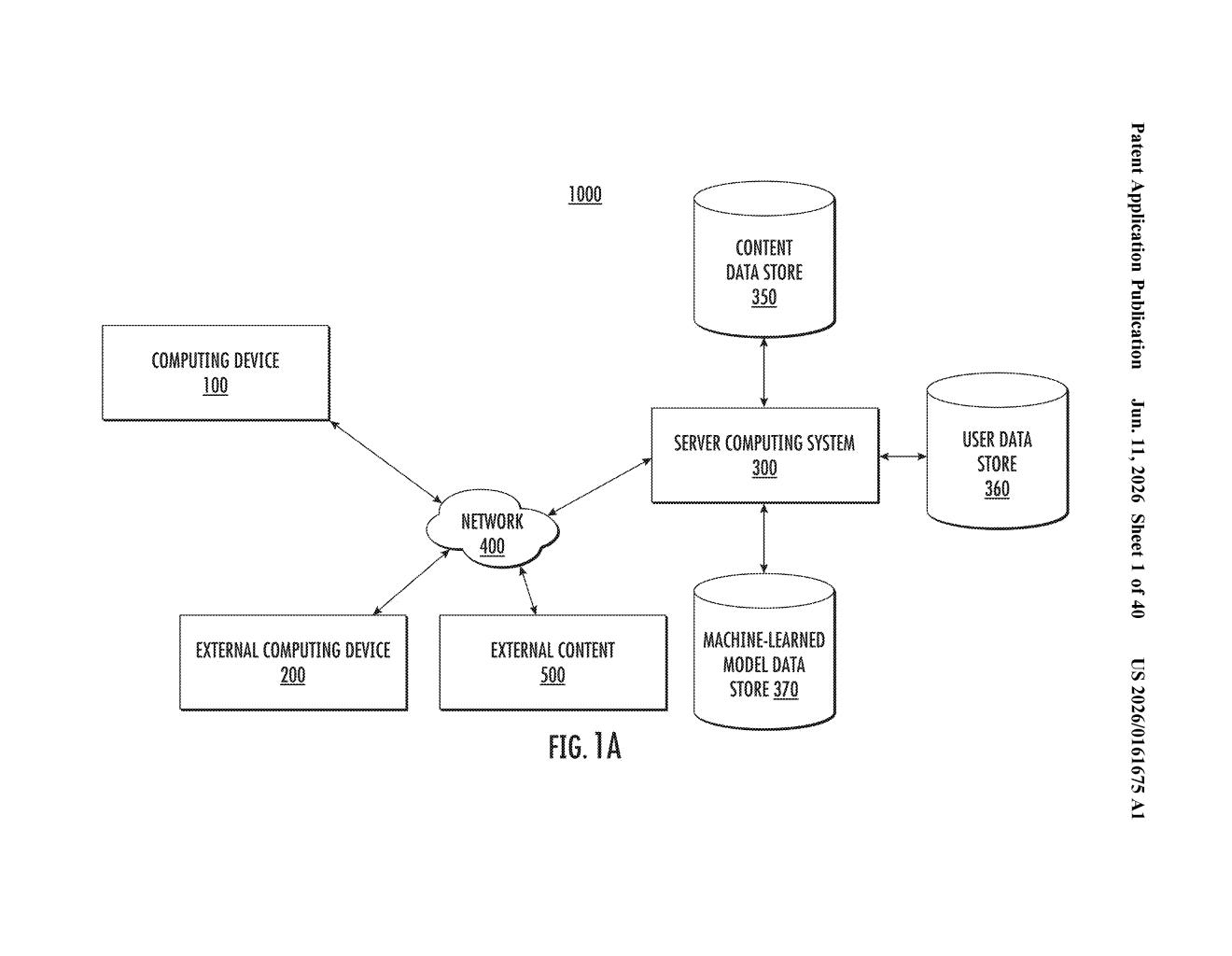
How Google's question-routing document AI actually works
Imagine asking an AI assistant to write a business proposal. Some of what it needs — your company's name, the client you're pitching, the budget you have in mind — only you know. Other details — industry background, typical contract terms, market context — the AI can look up on its own.
Google's patent describes a document-writing system built around exactly that distinction. You give the AI a basic request, it builds an outline with multiple sections, and for each section it figures out what information it needs. Then — and this is the key part — it decides for each question whether to ask you or answer it itself.
Questions flagged as needing your personal knowledge get surfaced to you as prompts. Questions the AI can reasonably answer on its own get handled automatically, behind the scenes. The result is a document assembled from a mix of your direct input and the AI's own research, without you having to spell out every detail or sit through a Q&A you didn't sign up for.
How the system decides to ask you vs. answer itself
The system works in a pipeline with four main stages:
- Outline generation: The AI takes your initial request and builds a structured outline — a list of sections the final document will need.
- Question generation: For each section, the AI generates a set of questions whose answers it will need to write that section's content.
- Context classification: Each question gets labeled as belonging to one of two "contexts." The first context covers information the AI can retrieve on its own (general knowledge, publicly available facts). The second context covers information only the user can supply (personal preferences, proprietary data, specific intent).
- Content generation: The AI fills in each section using whatever answers it collected — either from its own lookup or from your responses — and produces the final document.
The classification step is where the real engineering lives. The patent doesn't specify a single hard rule for how questions get sorted — the machine-learned model makes that call dynamically, based on the nature of the question and what was in your original request. That means the same system could behave differently for a legal memo versus a marketing one-pager, routing different types of questions to you depending on context.
What this means for AI writing tools like Google Docs
For everyday users, this is the difference between an AI that feels collaborative and one that either demands too much from you or confidently makes things up. If this approach works, you'd spend less time correcting hallucinated details and less time filling out tedious forms — the AI only interrupts you when it genuinely needs your input.
For Google specifically, this patent points toward more sophisticated document-generation features in products like Google Docs or Workspace's Gemini integration. The underlying idea — let the model decide what it knows versus what it needs to ask — is a meaningful step beyond simple prompt-and-generate AI writing, and it could set a template for how AI writing assistants handle complex, multi-section documents.
This is a genuinely useful idea, and the core insight — that an AI should be able to distinguish between questions it can answer and questions only you can — is something most current AI writing tools get badly wrong. Whether Google's implementation actually works as described in practice is a separate question, but the design philosophy here is sound and worth watching.
There are more where this came from
We read every patent application Big Tech publishes and send you the ones worth knowing. Plain English, free, every week.
Want this weekly breakdown for a company we don't cover? Patentlyze Pro →