
Samsung Patents a System for Sending 3D Video to the Right Screen in Multi-Display Setups
Most people have more than one screen on their desk — but only one of those screens might support 3D. Samsung's new patent tackles the surprisingly tricky problem of making sure 3D content only goes where it can actually be shown properly.
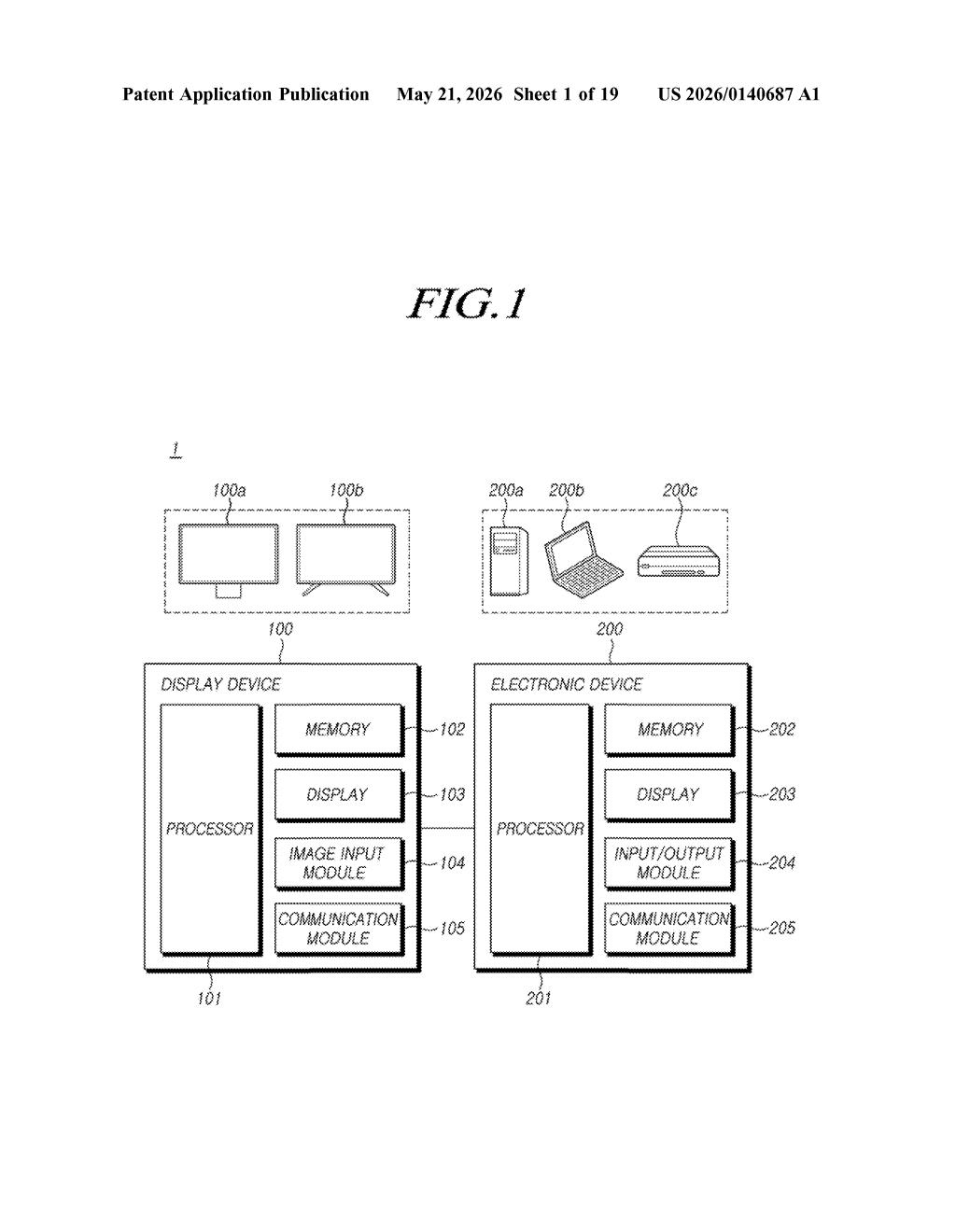
What Samsung's multi-display 3D routing actually does
Imagine you have two monitors plugged into your PC or laptop: one is a regular flat display, and the other is a fancy 3D display that can show depth and pop-out effects — the kind you might see in a high-end gaming monitor or a next-gen TV. When you hit play on a 3D movie or fire up a 3D-capable app, your computer has to figure out which screen should get which kind of signal. That's trickier than it sounds.
Samsung's patent describes a way for the host device — your PC, phone, or tablet — to automatically detect that it's connected to multiple displays and intelligently package the 3D image data in the right format before sending it only to the display that can handle it. It works whether your screens are set up to mirror each other (duplication mode) or act as one big extended workspace (extension mode).
The result: your 3D monitor gets a proper stereoscopic signal, and your regular monitor doesn't get a garbled mess of left-eye/right-eye frames it doesn't know what to do with.
How the device picks the right 3D format per display mode
The patent describes an electronic device — think a laptop, phone, tablet, or desktop PC — that manages output to multiple connected displays simultaneously. When one of those displays is a 3D-capable screen (meaning it can render stereoscopic or depth-based images), the device needs to handle image data differently than it would for a standard flat display.
Here's the core flow the patent lays out:
- The device receives a request for 3D display — either from an app, user input, or the display itself.
- It checks the current multi-display mode: is the setup in duplication mode (both screens showing the same thing) or extension mode (screens acting as one big workspace)?
- Based on that mode, it fetches or converts image data into the appropriate 3D format (e.g., side-by-side, top-bottom, or frame-sequential stereoscopic encoding).
- It then transmits that 3D-formatted image signal specifically to the 3D display device, not to every connected screen.
The key insight is that the multi-display mode context changes what format the 3D data should take before it gets sent. A duplicated setup and an extended setup have different signaling requirements, and the patent claims a method to handle both correctly.
What this means for 3D displays making a comeback
The practical upshot here is compatibility: as 3D displays start to resurface — in gaming monitors, XR-adjacent screens, and potentially Samsung's own product lines — the software stack connecting them to host devices needs to handle mixed environments gracefully. Right now, plugging a 3D display into a multi-monitor setup can produce artifacts or require manual configuration. This patent describes automating that negotiation.
For you as a user, this could mean a future Samsung device (phone, tablet, DeX-powered PC) that just works when you connect it to a 3D monitor alongside your regular screen — no fiddling with display settings or format switches required. It's the kind of plumbing work that makes new display technology feel polished rather than prototype-rough.
This is infrastructure-level patent work — not flashy, but genuinely necessary if Samsung wants 3D displays to land without the clunky setup experience that killed the last wave of 3D TV adoption. The fact that they're explicitly covering both duplication and extension modes suggests they've thought through real multi-monitor use cases, not just a demo scenario. Whether it ships as a feature in One UI or Samsung DeX is the interesting open question.
There are more where this came from
We read every patent application Big Tech publishes and send you the ones worth knowing. Plain English, free, every week.
Want this weekly breakdown for a company we don't cover? Patentlyze Pro →