
Samsung Patent Details Robot Vacuum and Phone Camera Collaboration for 3D Home Mapping
Your robot vacuum already knows the floor plan of your home. Samsung's new patent asks: what if your phone's camera could turn that flat map into a full 3D picture of every room?
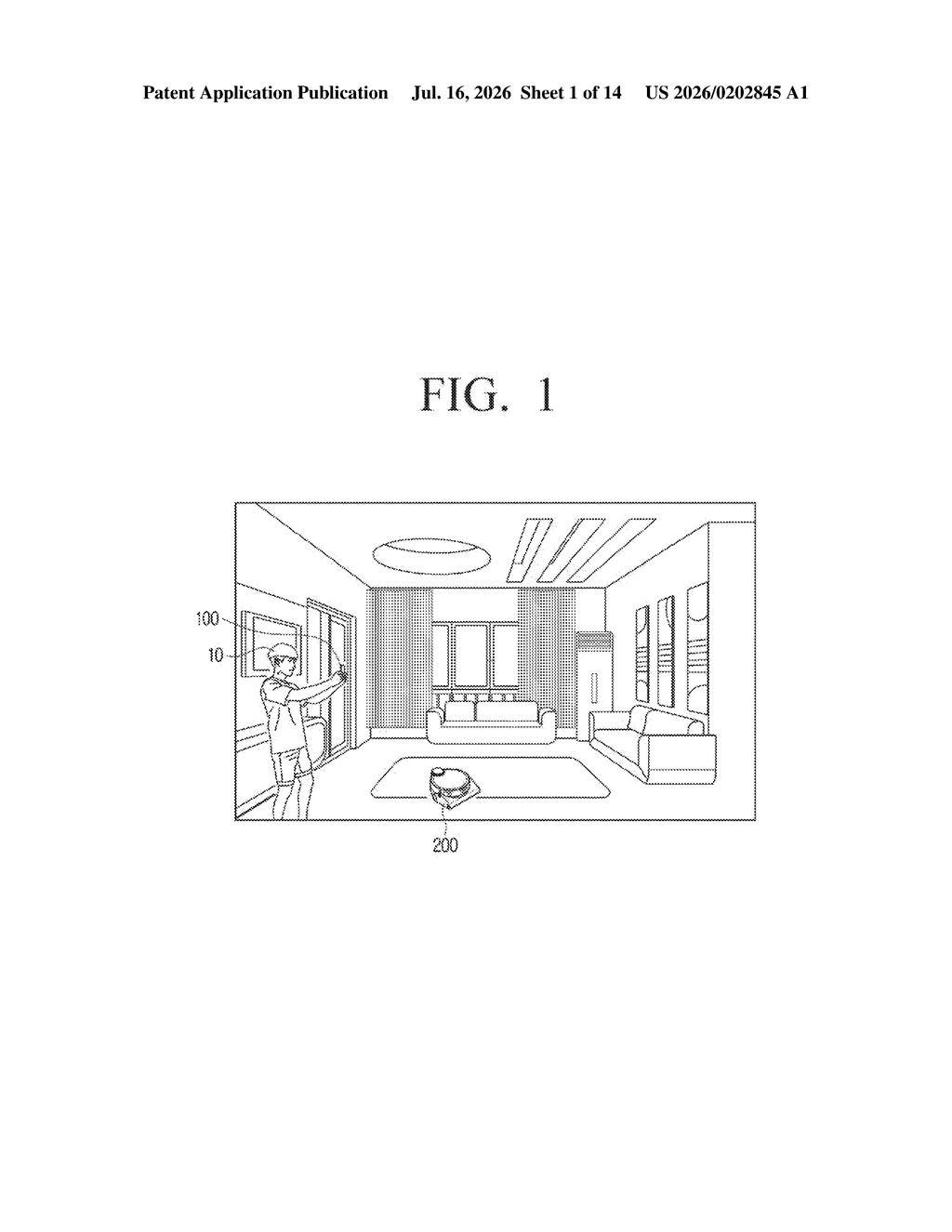
What Samsung's phone-plus-robot-vacuum map actually does
Imagine your robot vacuum has been tracing the outline of your living room for months, building a rough floor-level map as it bumps around furniture. That map is useful, but it only captures the world from a few inches off the ground.
Samsung's patent describes a system where your phone does the rest of the work. You point your phone's camera at a room, and the app combines what the camera sees with the floor plan the robot already built. The result is a 3D map of your home that you can view on your phone's screen, not just a flat grid.
Think of it like the robot draws the floor and your phone fills in the walls, furniture height, and depth. Together they produce a richer picture of the space than either device could manage alone.
How the phone camera and robot floor plan get merged
The patent describes a terminal device (most likely a smartphone) that pulls together two separate sources of spatial information to produce a three-dimensional map of a room or home.
- The robot cleaner's contribution: As the robot navigates a space, it builds its own internal map using sensors, typically a 2D floor plan that tracks where walls and obstacles are at ground level.
- The phone camera's contribution: The phone's camera captures images of the same space from a human vantage point, adding height, depth, and visual detail that the low-riding robot can't see.
- The processor's job: Software on the phone receives the robot's map data over a wireless connection, then fuses it with the camera imagery to construct a full 3D model, which gets displayed on the phone's screen.
The patent focuses on the combination of these two inputs. Neither alone is sufficient: the robot map lacks vertical information, and the phone camera alone doesn't know the precise dimensions of the floor. Together they fill each other's blind spots.
The claim is broad enough to cover any phone-class device with a camera and a wireless radio, communicating with any robot cleaner.
What this means for how you control home robots
For anyone who owns a robot vacuum, this kind of visual map could make controlling the device far more intuitive. Instead of tapping on a featureless top-down grid to tell your robot where to clean, you might eventually point at a 3D rendering of your couch and say "clean under here."
Samsung makes both Galaxy smartphones and the Jet Bot line of robot vacuums, so the company has every incentive to build tighter software bridges between those product lines. A patent like this suggests Samsung is thinking about your phone as the central display and control layer for home robots, not just a companion app that mirrors what the robot already shows.
This is a tidy idea and not a particularly exotic one technically, but Samsung is one of the few companies that actually sells both the phone and the robot vacuum, which gives it a real shot at shipping something like this. The interesting question isn't whether the 3D map is possible, it's whether the phone camera processing is good enough to make the result genuinely useful rather than a gimmick.
Get our take in your Top Stories
Liked this breakdown? Add Patentlyze as a preferred source on Google, and our plain-English take shows up more often in your Top Stories the next time Samsung patent news breaks.
There are more where this came from
We read every patent application Big Tech publishes and send you the ones worth knowing. Plain English, free, every week.
Want this weekly breakdown for a company we don't cover? Patentlyze Pro →